Summary:
Your toilet just backed up. Again. But this time, water’s rising instead of draining, and you’re smelling something that definitely shouldn’t be in your house.
Is this an emergency, or can it wait until morning?
That question matters more than you think. On Long Island, where sandy soil and high water tables create perfect conditions for septic disasters, the difference between calling now and waiting a few hours can mean the difference between a few hundred dollars in pumping and fifteen thousand in drain field replacement.
This isn’t about scaring you. It’s about giving you the information to make the right call when your system starts failing.
What Qualifies as an Emergency Septic Repair Situation
Not every septic problem requires a midnight phone call. A single slow drain might just be a clog. An occasional odor after heavy rain might resolve on its own.
But some situations don’t give you the luxury of waiting. When sewage backs up into your home through toilets, showers, or basement drains, you’re dealing with a health emergency. Raw sewage contains bacteria like E. coli, viruses including hepatitis A, and parasites that cause serious illness.
Every minute that sewage sits in your living space increases contamination risk. It seeps into flooring, drywall, and furniture. The longer you wait, the more expensive cleanup becomes and the higher the health risk to your family.
Multiple fixtures backing up at once signal a complete system failure. If your kitchen sink, bathroom drains, and toilets all stop working simultaneously, your septic tank has likely reached capacity or your drain field has failed.
Septic Tank Backup Causes That Require Immediate Attention
Understanding what causes emergency backups helps you recognize when you’re facing a true crisis versus a manageable problem.
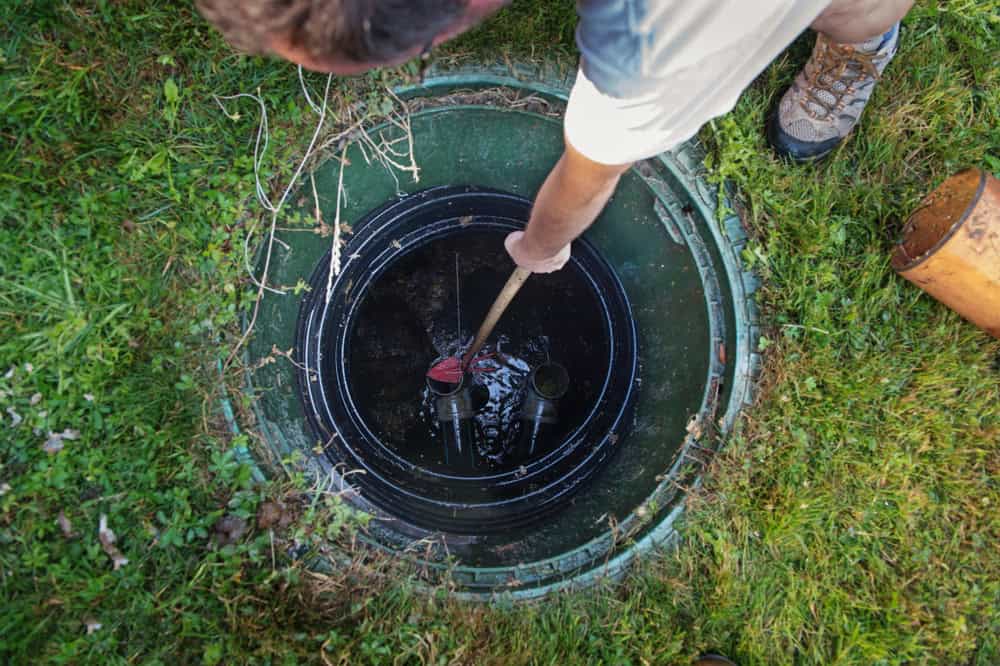
The most common emergency cause is simple neglect. If you haven’t pumped your tank in five or more years, solid waste has accumulated to the point where there’s no room for new wastewater. Everything has to go somewhere, and if it can’t go into the tank, it comes back up through your drains.
Nassau County’s clay-heavy soils in some areas make this worse. Clay retains water longer and processes waste differently than sandy soil, meaning your system works harder and fills faster. What might take six years to cause problems in sandy Suffolk County areas might only take three years in clay-rich Nassau County neighborhoods.
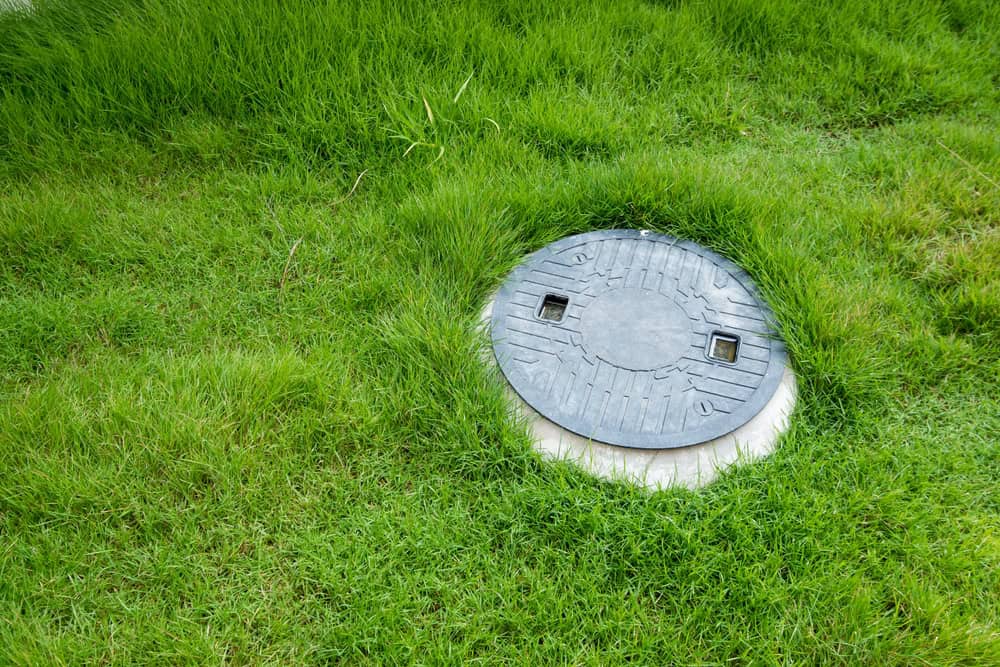
Drain field failure is another emergency cause. Your drain field is where treated wastewater gets absorbed into the soil. When that soil becomes saturated, either from a full tank overflowing or from Long Island’s high water table rising after heavy rain, the system can’t function.
You’ll see standing water in your yard, often with a sewage smell. The grass over your drain field might be unusually green and lush because it’s getting fertilized by wastewater that should be underground. These aren’t cosmetic issues. They’re signs your system has stopped working.
Structural failures also create emergencies. Aging concrete tanks crack under pressure. Tree roots infiltrate pipes looking for water and nutrients. Heavy vehicles driving over your system can crush components. When these failures happen, they often happen suddenly.
One day everything works fine. The next day you have sewage surfacing in your yard or backing up into your basement. There’s no gradual decline, just immediate failure that requires emergency response.
Long Island’s unique conditions accelerate some of these problems. The sandy soil that dominates most of the island allows water to move quickly, which sounds good until you realize it also means less natural filtration time. Your system has to work more efficiently just to meet basic environmental standards.
Health Risks That Make Septic Emergencies Time-Sensitive
The health risks from septic emergencies aren’t abstract concerns. They’re immediate and dangerous, especially for children, elderly family members, and anyone with compromised immune systems.
Raw sewage contains pathogens that cause gastrointestinal illness, skin infections, respiratory problems, and more serious diseases. When sewage backs up into your home, you’re exposing your family to these contaminants through direct contact, airborne particles, and contaminated surfaces.
The smell alone tells you something’s wrong, but the real danger is invisible. Bacteria and viruses don’t announce themselves. You can’t see E. coli on your bathroom floor or smell hepatitis A in the air. By the time someone gets sick, contamination has already spread throughout affected areas.
Children and pets are particularly vulnerable because they’re more likely to touch contaminated surfaces and then put their hands or paws in their mouths. What looks like a puddle of water to a curious toddler might be sewage-contaminated wastewater carrying dangerous pathogens.
Beyond your home, septic emergencies threaten Long Island’s drinking water supply. Every drop of water that comes out of your tap originated in the groundwater aquifer beneath your property. When failing septic systems leak untreated wastewater, that contamination moves through Long Island’s porous soil and reaches the aquifer.
This is why Nassau County enforces strict regulations about septic system maintenance and emergency repairs. It’s not bureaucracy for its own sake. It’s protecting the sole source of drinking water for millions of residents.
The environmental impact accelerates in emergency situations. A slow leak from a cracked tank might take months to contaminate nearby groundwater. A catastrophic failure that dumps hundreds of gallons of untreated sewage creates immediate contamination that spreads quickly through sandy soil.
Time matters in these situations. The faster you respond to emergency warning signs, the less contamination occurs and the lower the health risk to your family and community.
Want live answers?
Connect with a EZ Cesspool Long Island expert for fast, friendly support.
Emergency Septic Pump Service: What to Expect
When you call for emergency septic pump service, knowing what happens next reduces stress and helps you prepare.
Professional emergency response starts with assessment. Our technicians need to understand what’s failing and why before we can fix it. We’ll ask about symptoms, when problems started, and whether you’ve noticed any warning signs in recent weeks.
Be ready to describe what you’re seeing. Are multiple drains affected or just one? Is sewage actually backing up into the house, or are you seeing standing water in the yard? Have you noticed gurgling sounds, slow drains, or odors? These details help us bring the right equipment and respond more efficiently.
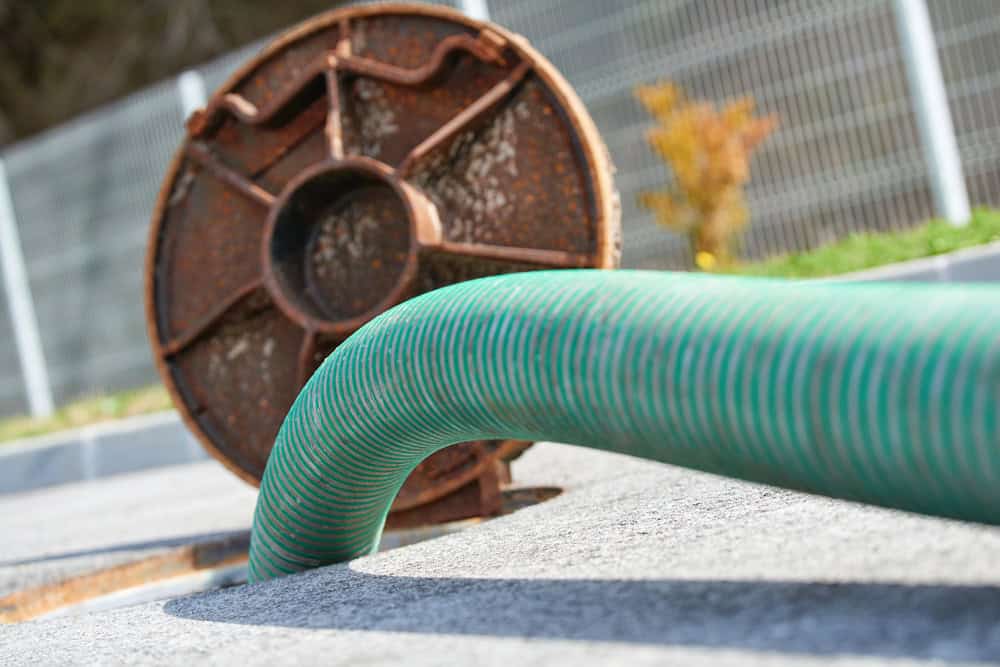
The first priority is stopping the immediate crisis. If sewage is backing up into your home, emergency pumping relieves pressure and removes the health hazard. If your drain field is saturated, pumping the tank prevents additional wastewater from overwhelming the system.
How Fast Emergency Response Prevents Costly Damage
Response time directly impacts the final cost of emergency septic repairs. A backup addressed within an hour or two might only require pumping and cleaning. That same backup left overnight can contaminate your basement, damage flooring, and create health hazards that require professional remediation beyond just septic repair.
Long Island’s high water table makes emergency response even more critical. When heavy rain saturates the ground, systems that were functioning adequately can suddenly fail. If you notice warning signs during or right after storms, don’t assume they’ll resolve once the rain stops.
The water table takes time to recede. Your system might struggle for days or weeks after a major weather event. What looks like a temporary problem caused by rain might actually be the first sign of system failure that will only get worse.
Emergency situations also require proper equipment and disposal methods. A company that responds quickly but doesn’t have the right trucks or access to licensed disposal facilities might pump your tank but leave you with compliance problems.
Suffolk and Nassau Counties have specific regulations about where septage can be disposed. Cutting corners on disposal creates legal and environmental problems that can come back to you as the property owner. Professional emergency service includes proper disposal at licensed facilities.
The cost of emergency service is almost always less than the cost of ignoring the problem. A backup that damages your basement requires not just septic repair but also water damage restoration, mold remediation, and potentially replacing damaged belongings. Acting fast when you recognize emergency warning signs protects your property and keeps repair costs manageable.
This is especially true on Long Island, where drain field replacement costs run $15,000 to $30,000. If emergency pumping and repair can save your drain field from permanent damage, you’re avoiding a massive expense. That makes the cost of after-hours emergency service look like a bargain.
24/7 Septic Pumping Availability and Why It Matters
Septic emergencies don’t respect business hours. Backups happen at 2 AM on Saturday. Systems fail during holiday weekends. Drain fields overflow after midnight thunderstorms.
Having access to genuine 24/7 septic pumping means you’re not waiting until Monday morning while sewage sits in your basement all weekend. You’re not trying to manage a health hazard on your own because you can’t reach anyone until regular business hours.
Real around-the-clock availability requires more than an answering service that takes messages. It means technicians on call with equipment ready to respond. It means someone answers who can actually help you, not just schedule a callback for the next business day.
When you’re evaluating emergency septic services, ask specific questions about response times. How quickly can they typically get to your location? Do they have multiple trucks available for simultaneous emergencies? Are their technicians local to Nassau County, or are they driving in from hours away?
Geography matters on Long Island. A company based in western Nassau County can reach Greenlawn, Port Washington, or Garden City faster than a company based in eastern Suffolk County. Minutes matter when sewage is backing up into your home.
Transparent emergency pricing is another critical factor. Some companies charge premium rates for after-hours service, which is understandable. But there’s a difference between reasonable emergency pricing and price gouging when customers are desperate.
Ask about pricing before you commit. What’s the base emergency service fee? Is there an additional charge for nights, weekends, or holidays? Are there any hidden fees that might appear on the final bill? Reputable companies provide clear answers to these questions upfront.
Long Island’s unique septic challenges make local expertise essential during emergencies. Companies that understand Nassau County’s clay soils, Suffolk County’s sandy conditions, and the regulations that protect our sole-source aquifer can diagnose problems faster and implement solutions that actually work.
Generic septic service that works fine in other parts of New York might miss warning signs that local experts recognize immediately. They might not know how to navigate county health department requirements efficiently. When you’re dealing with an emergency, you need someone who knows exactly what they’re doing in Long Island conditions.
Getting Emergency Septic Repair Help in Nassau County
Septic emergencies are stressful, but knowing when to call for help and what to expect makes them manageable. If sewage is backing up into your home, if multiple drains are failing simultaneously, or if you’re seeing standing water near your drain field, you’re dealing with a situation that requires immediate professional attention.
Don’t wait to see if it gets better on its own. On Long Island, where sandy soil and high water tables create perfect conditions for rapid system failure, delays often turn manageable problems into expensive disasters. The cost of emergency service is almost always less than the cost of the damage that occurs while you’re waiting.
Look for emergency septic repair services that offer genuine 24/7 availability, transparent pricing, and local Long Island expertise. You need technicians who understand Nassau County’s specific soil conditions and regulations, who can respond quickly when minutes matter, and who won’t surprise you with hidden fees when you’re already dealing with a crisis.
We’ve been serving Nassau County and all of Long Island for over 20 years with same-day emergency services, transparent pricing, and the local knowledge that comes from two decades of experience with Long Island’s unique septic challenges. When you need emergency help, you need someone who answers, shows up fast, and fixes the problem right.