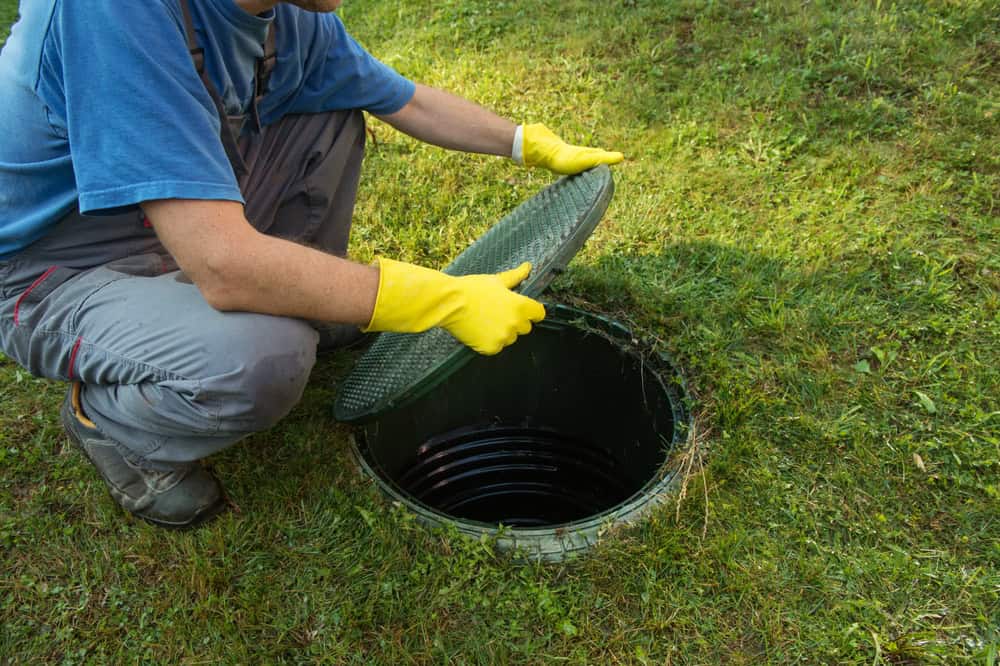
Summary:
You’re facing septic tank removal, and every quote you get seems to include vague language about “additional fees” or “unforeseen complications.” One contractor says $4,000. Another quotes $8,500. You’re not sure what you’re actually paying for or what happens if they find problems once they start digging.
Here’s what most homeowners in Nassau County, NY don’t realize until it’s too late: septic removal costs vary wildly based on factors you can’t see from ground level. Tank condition, soil type, accessibility, proper disposal fees, and mandatory county procedures all affect your final bill. When you understand what drives these costs and what proper removal actually involves, you can spot the contractors who lowball estimates only to hit you with “extras” later.
Let’s walk through what septic tank removal really costs, when it’s actually necessary, and how to avoid the expensive surprises that turn a straightforward job into a budget nightmare.
What Actually Drives Septic Tank Removal Costs
The average septic tank removal in Nassau County, NY runs between $5,000 and $6,000, but that number doesn’t tell the whole story. Your actual cost depends on variables that contractors should evaluate before giving you a firm quote.
Tank size matters because larger tanks require more labor, heavier equipment, and higher disposal fees. A standard 1,000-gallon residential tank costs less to remove than a 2,000-gallon system that served a larger household or commercial property. Location and accessibility can double your costs. Underground tanks buried under driveways, landscaping, or structures require extensive excavation that tanks in open yard space don’t need.

Holding Tank Removal vs Full System Decommissioning
Not all tanks serve the same purpose, and removal procedures differ based on what you’re actually dealing with. A holding tank is a simple storage container with no treatment components and no outlet. It just holds wastewater until it’s pumped out. These tanks are typically easier and cheaper to remove because they’re straightforward containers without connected drain fields or complex plumbing systems.
A full septic system includes the tank plus drain fields, distribution boxes, and treatment components spread across your property. Removing a complete system costs more because you’re dealing with multiple components, not just a single tank. The drain field pipes, distribution boxes, and connected plumbing all need proper abandonment or removal depending on your situation and local requirements.
Many Nassau County, NY properties have older systems where previous homeowners never documented what type of system was installed. You might think you have a simple septic tank when you actually have a multi-component system. Professional inspection before removal prevents surprise costs when contractors discover your system is more complex than expected.
The condition of your tank also affects removal complexity. Older concrete tanks can crack or crumble during excavation, requiring extra care and disposal procedures. Steel tanks that have rusted through might collapse when equipment tries to lift them, creating safety hazards and additional labor. Fiberglass tanks in good condition are often the easiest to remove intact, but if they’ve been damaged by tree roots or ground shifting, they might need to be broken apart on site.
Tank material determines disposal methods and fees. Concrete requires special handling and disposal at facilities equipped for heavy materials. Steel tanks with rust or contamination might need hazardous material protocols. Fiberglass and plastic tanks are lighter but still require proper disposal at approved facilities, not just dumped at regular landfills.
Well and Septic Inspection Requirements Before Removal
Nassau County, NY requires documentation before septic removal, especially if you’re connecting to municipal sewer or selling your property. A well and septic inspection provides the baseline information contractors and county officials need to ensure proper removal procedures.
The inspection identifies your system’s exact location, size, and configuration. Many Long Island properties have tanks in undocumented locations. Some have multiple abandoned tanks from previous system replacements. Finding all components before removal prevents the expensive problem of discovering additional tanks mid-project.
Property transactions almost always trigger inspection requirements in Nassau County, NY. Buyers and mortgage lenders want confirmation that septic systems are either functioning properly or will be properly removed and abandoned. The county’s 5-year inspection cycle means your system might be due for inspection anyway, and combining that with removal planning saves you duplicate service calls.
Inspection reports document system condition, which affects removal costs and procedures. A structurally sound tank might be abandoned in place by crushing and filling it. A deteriorated tank that’s already leaking or cracked requires complete removal to prevent future groundwater contamination. The inspection tells you which scenario you’re facing before contractors start digging.
Well proximity matters more than most homeowners realize. Nassau County, NY requires minimum 100-foot setbacks between septic components and water wells. If your tank is closer than regulations allow, or if neighboring properties have wells near your system, removal procedures become more stringent to protect drinking water sources. The inspection identifies these proximity issues upfront so contractors can plan appropriate removal methods.
Environmental regulations for Long Island’s sole-source aquifer mean septic removal isn’t just about getting a tank out of the ground. It’s about protecting groundwater that supplies drinking water for the entire region. Inspections verify that removal won’t create contamination risks, and they document pre-removal conditions in case questions arise later about who’s responsible for any discovered issues.
Want live answers?
Connect with a EZ Cesspool Long Island expert for fast, friendly support.
Septic System Removal Cost: What You're Actually Paying For
When contractors quote septic system removal cost, the number should include several distinct components. Understanding what’s included helps you compare quotes accurately and spot contractors who are lowballing estimates by leaving out required work.
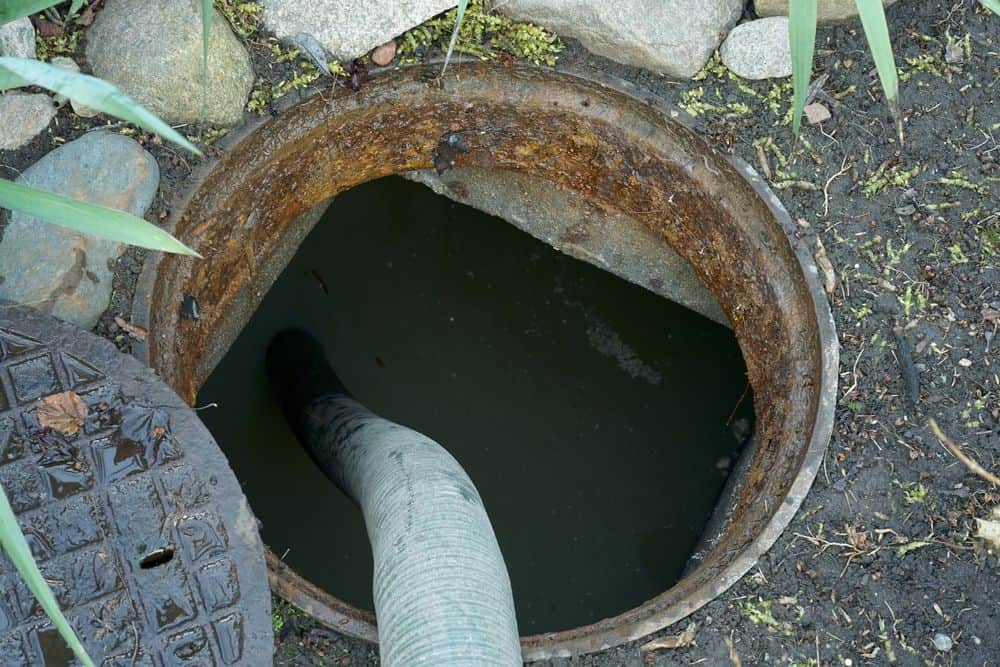
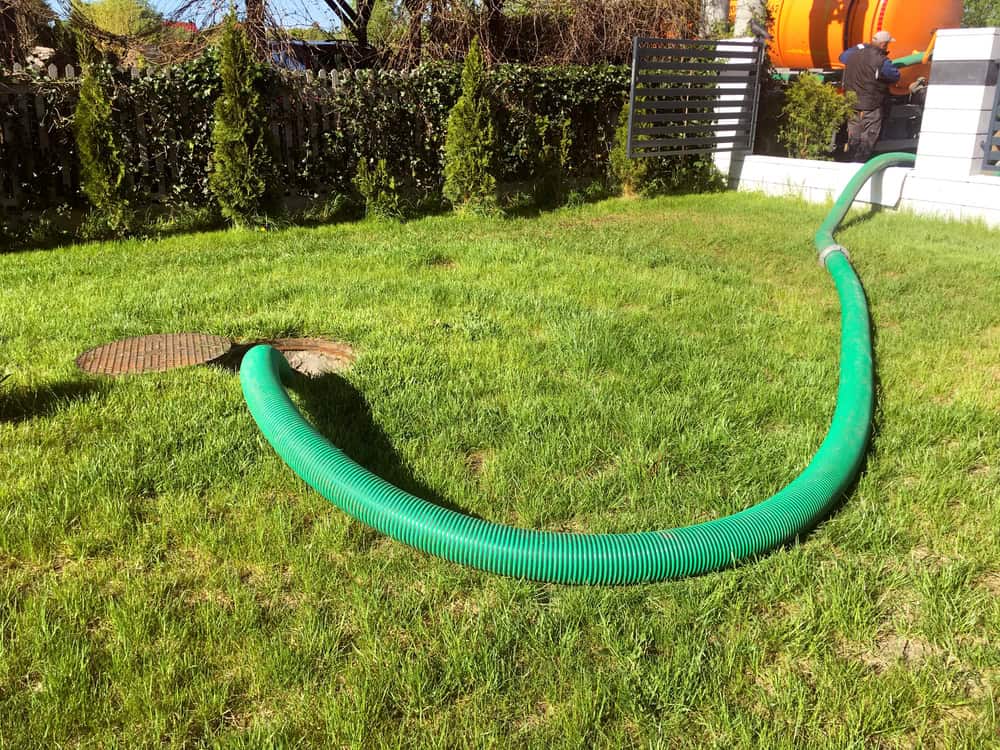
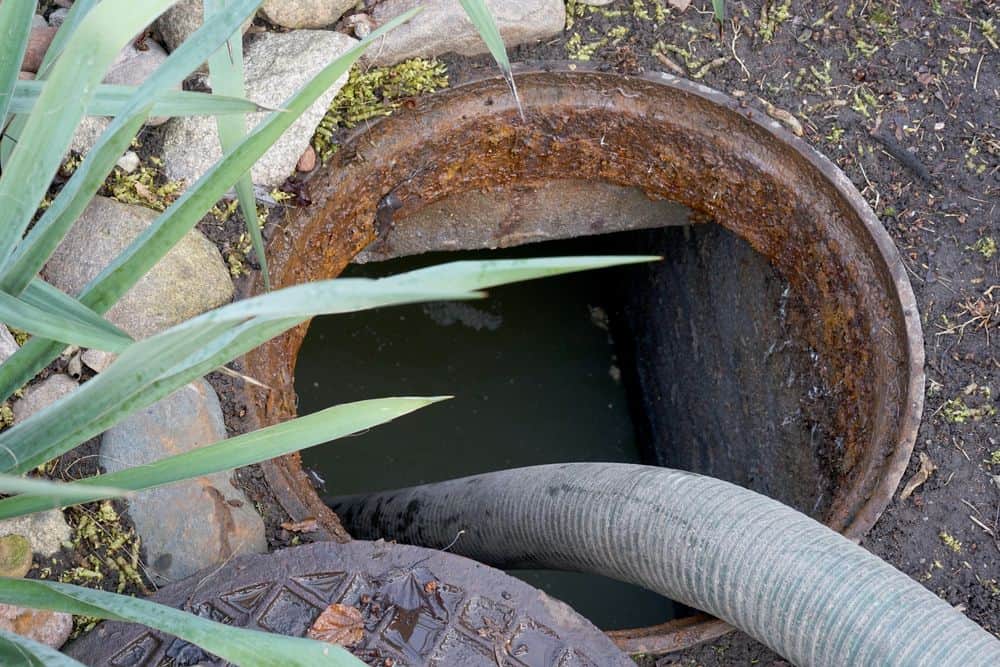
Pumping and cleaning comes first. Before any removal or abandonment work begins, licensed contractors must pump all contents from your tank. This isn’t optional. Nassau County, NY regulations require complete pumping by a licensed septage hauler, and you’ll need documentation proving this step was completed. Pumping costs typically run $300-$650 depending on tank size.
Excavation and labor make up the largest portion of removal costs. Contractors need heavy equipment to dig down to your tank, expose it completely, and either remove it or break it apart for in-place abandonment. Labor costs run $45-$200 per hour depending on crew size, equipment requirements, and project complexity.
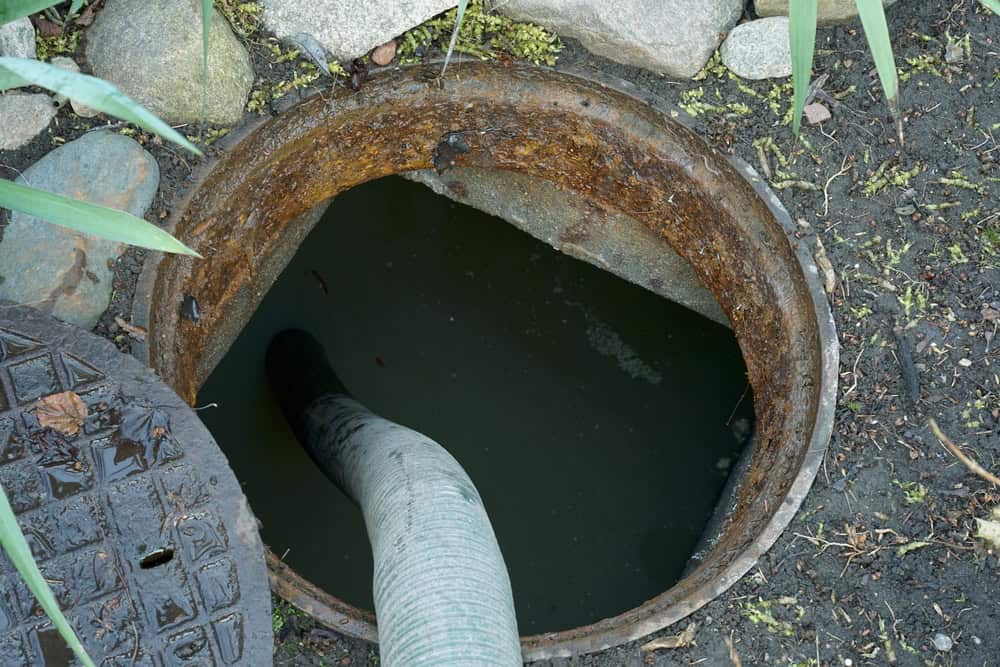
Disposal Fees and Environmental Compliance Costs
Disposal fees vary based on tank material and condition. Concrete tanks can’t just be dumped anywhere. They require disposal at facilities equipped to handle heavy construction materials, and those facilities charge by weight. A large concrete tank might cost $500-$1,000 just for disposal fees on top of removal labor.
Steel tanks that show rust, corrosion, or contamination might trigger hazardous material protocols. If your tank has been leaking or if surrounding soil shows contamination, disposal becomes more complex and expensive. Contractors should test for contamination before removal so you know whether standard or hazardous disposal procedures apply.
Environmental compliance in Nassau County, NY includes proper handling of any remaining wastewater, contaminated soil, or materials that contacted sewage. Licensed contractors follow protocols that protect Long Island’s groundwater, but those protocols add costs that unlicensed or inexperienced contractors might skip. Cutting corners on environmental compliance can result in county fines that cost far more than doing it right the first time.
Site restoration should be included in your quote but often isn’t. After removal, contractors need to backfill the excavation, compact the soil to prevent future settling, and restore the surface to match surrounding areas. Some contractors quote removal costs without mentioning restoration, then charge extra to fill the hole they just dug. Get restoration costs in writing before work begins.
Permit fees and inspections add to your total cost. Nassau County, NY requires permits for septic removal and abandonment, with fees typically ranging $200-$500 depending on system size and complexity. The county also requires inspections at specific stages of the removal process to verify proper procedures. Contractors should include permit and inspection costs in their quotes, but some present these as separate “administrative fees” after the fact.
When Removal is Required vs When You Can Upgrade Instead
Not every failing septic system requires complete removal. Understanding when removal is actually necessary versus when you can repair or upgrade saves you thousands in unnecessary work.
Removal becomes mandatory when you’re connecting to municipal sewer. Once sewer lines reach your area in Nassau County, NY, the county requires proper abandonment of your septic system. You can’t just stop using it and leave it buried. Old tanks create safety hazards and potential contamination risks that county regulations specifically address through required abandonment procedures.
Failed systems in locations where replacement isn’t possible also require removal. If your tank failed but your property doesn’t have space for a new drain field, or if soil conditions won’t support a replacement system, removal might be your only option before connecting to sewer or installing an alternative treatment system.
Property sales often trigger removal requirements when buyers or lenders discover old, abandoned tanks that were never properly decommissioned. Many Long Island properties have multiple tanks from previous system upgrades. Finding undocumented tanks during pre-sale inspections can delay or kill deals. Proactive removal of old tanks before listing your property prevents these transaction problems.
System upgrades to nitrogen-reducing I/A OWTS systems sometimes allow you to keep your existing tank if it’s structurally sound. Long Island’s new environmental regulations require nitrogen reduction, but that doesn’t automatically mean complete system removal. If your tank passes inspection and meets current structural standards, contractors can often upgrade your treatment components while keeping the tank in place. This costs significantly less than full removal and replacement.
Repair versus removal depends on tank condition and the nature of the problem. Cracked concrete tanks that are leaking might be repairable if the damage is limited and the tank is otherwise sound. If your tank has major structural problems, extensive cracking, or has been compromised by tree roots or ground shifting, removal and replacement is usually more cost-effective than attempting repairs that might fail again in a few years.
Age alone doesn’t determine whether removal is necessary. Some 40-year-old concrete tanks are still structurally sound and functioning properly. Other 15-year-old tanks have failed due to poor installation, soil conditions, or damage. Professional inspection tells you whether your tank can be repaired, upgraded, or needs complete removal based on actual condition rather than assumptions about age.
Making Smart Decisions About Septic Tank Removal
Septic tank removal costs in Nassau County, NY vary based on factors you can’t see from your yard, but understanding what drives those costs helps you avoid contractors who lowball estimates and hit you with surprise charges later. Tank size, accessibility, condition, disposal requirements, and county compliance procedures all affect your final bill.
Get detailed quotes that break down pumping, excavation, disposal, restoration, and permit costs separately. Contractors who provide itemized estimates make it easier to compare options and spot missing components that will become “additional fees” once work begins. The cheapest quote isn’t always the best value—licensed, experienced contractors who follow Nassau County, NY environmental regulations might charge more upfront, but they protect you from compliance problems and safety hazards.
When you need septic tank removal with transparent pricing and no hidden fees, we bring 20+ years of Long Island experience to every project. Our licensed and insured professionals handle permits, inspections, proper disposal, and complete site restoration, so you get documentation that satisfies county requirements and protects your property investment.