Summary:
Your drains are moving slower than usual. There’s a faint smell you can’t quite place near the yard. Maybe you’re noticing these things, maybe you’re not. But here’s what most Long Island homeowners don’t realize until it’s too late: your cesspool has been trying to get your attention for weeks, maybe months. By the time the problem becomes obvious enough that you can’t ignore it, you’re looking at thousands in emergency repairs instead of a few hundred in preventive maintenance. Regular septic tank cleaning isn’t about spending money—it’s about not spending a fortune later. You’ll learn exactly when your system needs service, what those warning signs actually mean, and why Long Island’s soil makes this more urgent than you think.
How Often Should You Schedule Septic Tank Cleaning in Long Island
Most Long Island homeowners need septic tank pumping every three to five years. That’s the standard answer. But the real answer depends on your household size, tank capacity, and how you use water.
A family of four with a 1,000-gallon tank typically needs service every two to three years. A couple in the same house might stretch it to four or five. If you run a garbage disposal regularly or do multiple loads of laundry daily, you’re on the shorter end of that timeline.
Long Island’s soil conditions add another layer to this equation. Sandy soil common in coastal areas allows wastewater to drain quickly, which sounds good until you realize it also means faster accumulation in your cesspool. Clay soils in other parts of the island create different challenges with slower drainage that can lead to surface backups.
What Happens When You Skip Regular Cesspool Pumping
Skipping maintenance doesn’t just mean dealing with slow drains eventually. It means risking complete system failure that costs $8,000 to $15,000 to replace. And that’s just the beginning.
When your cesspool fills beyond capacity, solid waste starts migrating into areas it shouldn’t reach. Your drain field gets clogged with sludge that’s supposed to stay in the tank. Once that happens, you’re not looking at pumping anymore—you’re looking at drain field replacement, which runs $3,000 to $20,000 depending on the system.
Insurance companies know this pattern well. That’s why many standard homeowner’s policies exclude coverage for maintenance-related failures. If your system fails because you didn’t pump it regularly, you’re responsible for the full cost of repairs and cleanup. Those expenses easily exceed $15,000 to $25,000 for complete system replacement and property restoration.
Then there’s the health aspect that homeowners often overlook until it’s affecting their family. Raw sewage exposure creates serious risks from pathogens. Children and pets playing in contaminated areas face exposure to dangerous bacteria, viruses, and parasites. Sewer gases contain methane and hydrogen sulfide, which cause headaches, nausea, and respiratory problems with prolonged exposure.
The environmental impact extends beyond your property lines too. Long Island’s drinking water comes entirely from underground aquifers. When your cesspool overflows or fails, it doesn’t just affect your property—it threatens the water supply for thousands of your neighbors. Suffolk County already has higher nitrate levels in its drinking water than 95% of the country.
Property sales add another complication. Mortgage lenders require thorough inspections of any septic system during real estate transactions. If you can’t produce service records showing proper maintenance, you’ll need a professional inspection. When that inspection reveals problems from neglect, you’re paying for repairs before the sale can proceed. Regular maintenance provides documentation that protects you during closing and gives buyers confidence in the property’s condition.
Warning Signs Your Septic System Needs Immediate Attention
Your cesspool sends clear signals before it fails completely. Recognizing these warnings early means scheduling routine service instead of calling for emergency repairs at premium prices.
Multiple slow drains throughout your house represent the most common early warning. When one drain moves slowly, you probably have a clog in that specific pipe. When the kitchen sink, shower, and toilet all drain sluggishly at the same time, your cesspool is telling you it’s full or blocked and wastewater has nowhere to go. This happens gradually enough that you might not notice at first—the toilet takes an extra second to drain completely, the shower water pools around your feet slightly more than usual.
Foul odors around your property or inside your home indicate your system is struggling. Sewage smells near drains, in the basement, or in your yard mean gases are escaping through the soil or backing up through your plumbing. These aren’t just unpleasant—they’re health warnings. The smell itself signals that sewer gases containing methane and hydrogen sulfide are entering your living space.
Wet spots or unusually green patches in your yard, especially near where your cesspool is located, show wastewater is leaking out of your system and saturating the ground. Standing water that appears when it hasn’t rained in days means your cesspool is overflowing. That overly vibrant section of grass above your drain field isn’t good landscaping—it’s wastewater rich in nutrients escaping the system.
Gurgling sounds from drains, toilets, or pipes signal air displacement as your system struggles to handle waste. You’ll often hear this when you flush a toilet, run the washing machine, or drain the bathtub. It’s your plumbing system working harder than it should to push water into a cesspool that doesn’t have room for it.
Sewage backing up into your home represents the most serious warning sign. Water coming out of drains or toilets, especially in lower levels of your house, means your system has reached critical failure. At this point, you’re dealing with an emergency that requires immediate professional intervention to prevent extensive property damage and health hazards.
Long Island’s high water table makes these warning signs more urgent than they might be elsewhere. When your cesspool is full and the water table is high, there’s less space for wastewater to go. The sewage can start surfacing in your yard, creating conditions that smell terrible and pose serious health risks to anyone who comes in contact with contaminated areas.
Want live answers?
Connect with a EZ Cesspool Long Island expert for fast, friendly support.
The Real Cost of Septic Tank Cleaning vs System Replacement
Let’s talk numbers. Professional septic tank pumping in Long Island typically costs between $300 and $600 for routine service. Most homeowners pay around $400 to $450 for a standard 1,000 to 1,250-gallon tank.
That’s every three to five years. Compare that to complete cesspool replacement, which runs $8,000 to $15,000. Emergency repairs after a backup? You’re looking at $3,000 to $7,000 just for cleanup, not including structural repairs or temporary housing if the damage is severe enough.
The math makes the case for regular service pretty clear. Spending $400 every few years protects you from $15,000 replacement bills down the road. It’s not an expense—it’s insurance against catastrophic costs that most homeowners can’t absorb without serious financial strain.
Why Long Island Septic Systems Face Unique Challenges
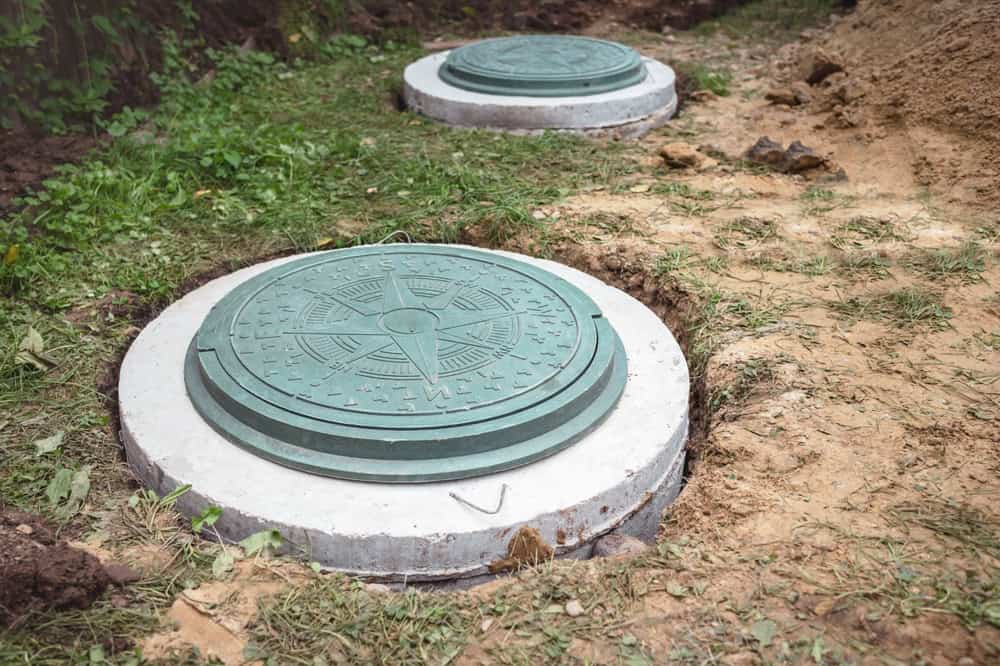
Long Island’s geology creates specific challenges that affect how your cesspool performs and how often it needs service. Understanding these local conditions helps you make better decisions about maintenance timing.
The island sits on a sole-source aquifer that provides drinking water for millions of people. What goes into the ground directly impacts what comes out of our taps. That environmental reality drives increasingly strict regulations on wastewater systems across Nassau and Suffolk Counties.
Sandy soil in many Long Island areas allows liquid to drain quickly from cesspools, which sounds beneficial until you realize it also means faster accumulation of solids that need pumping. Properties near the water or in low-lying areas face additional challenges during wet weather when the water table rises.
Clay soils in other parts of the island create different problems with slower absorption that can lead to surface signs of backup. These soil variations mean your neighbor’s pumping schedule might not match yours, even if you have similar-sized households.
Long Island’s aging cesspool infrastructure adds another layer of complexity. Many systems were installed decades ago, before current environmental standards existed. These older cesspools often lack septic tanks and require more frequent attention—sometimes annually—compared to newer systems.
The region’s high water table affects system performance in ways that homeowners in other areas don’t encounter. During spring thaws or heavy rain periods, the rising water table can overwhelm older systems that are already approaching capacity. This seasonal variation means timing your maintenance matters more here than in regions with stable groundwater levels.
Suffolk County’s Reclaim Our Water Initiative reflects serious environmental concerns about nitrogen pollution. Traditional cesspools and septic systems remove bacteria but do almost nothing about nitrogen. New regulations now require nitrogen-reducing systems for replacements in many areas, with technology that can remove up to 90% of nitrogen compared to near-zero removal of conventional cesspools.
These regulatory changes affect property owners during sales or major renovations. If you’re selling your home or pulling permits for additions, you might need to upgrade your outdated cesspool to meet current standards. Knowing these requirements helps you plan and budget accordingly rather than facing surprise mandates during time-sensitive transactions.
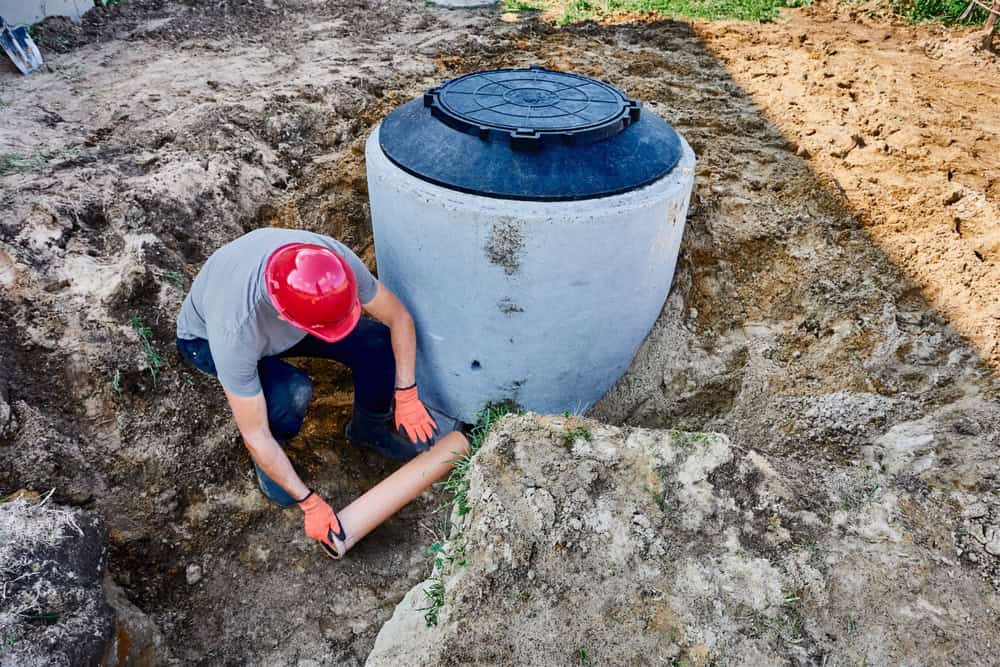
How Professional Cesspool Services Protect Your Investment
Professional septic tank cleaning involves more than just pumping out waste. Licensed technicians inspect your entire system during service, identifying developing problems before they become emergencies.
During a proper service visit, technicians measure sludge levels to determine your optimal pumping schedule based on actual usage rather than generic timelines. They check for cracks, leaks, or structural damage that could compromise system function. They inspect baffles and filters that prevent solids from entering your drain field. They examine the condition of your tank walls and the integrity of your distribution system.
This comprehensive approach catches issues early when repairs are still manageable and affordable. A cracked baffle costs a few hundred dollars to replace during routine service. Ignoring it until solids clog your drain field costs thousands to repair.
Professional service also provides documentation that protects your property value. Service records show you’ve maintained the system responsibly, which matters during real estate transactions. Buyers and mortgage companies now require proof of proper cesspool care. Missing documentation can delay closings or force last-minute inspections that reveal problems you could have addressed on your own timeline.
Licensed contractors understand Long Island’s specific regulations and can advise you on compliance requirements that vary between Nassau and Suffolk Counties. They know which systems need reporting to county databases, what permits are required for repairs or replacements, and how to navigate the complex web of local, county, and state regulations governing wastewater systems.
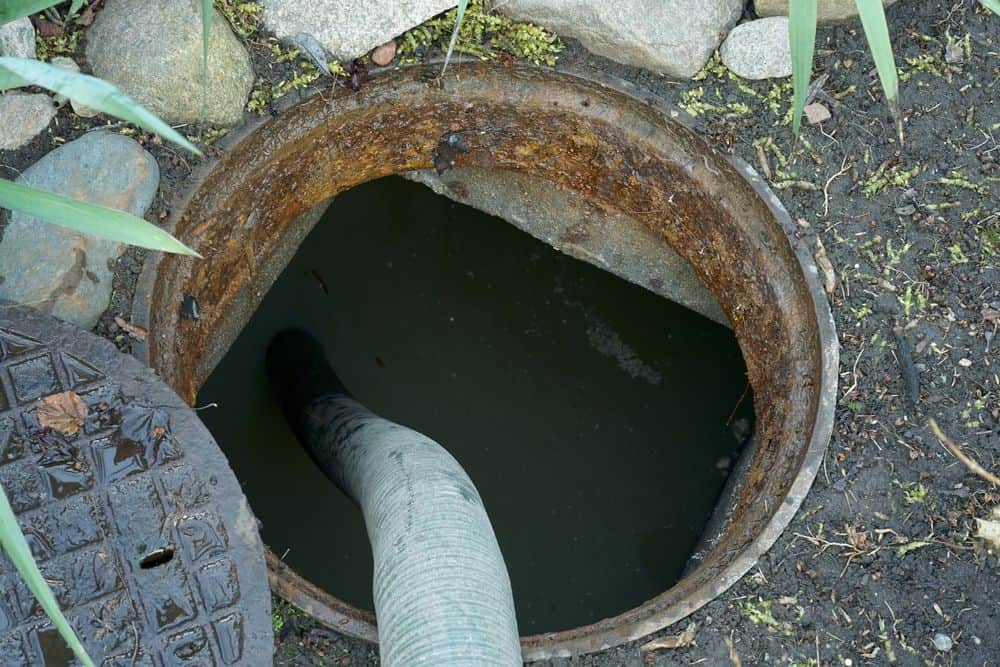
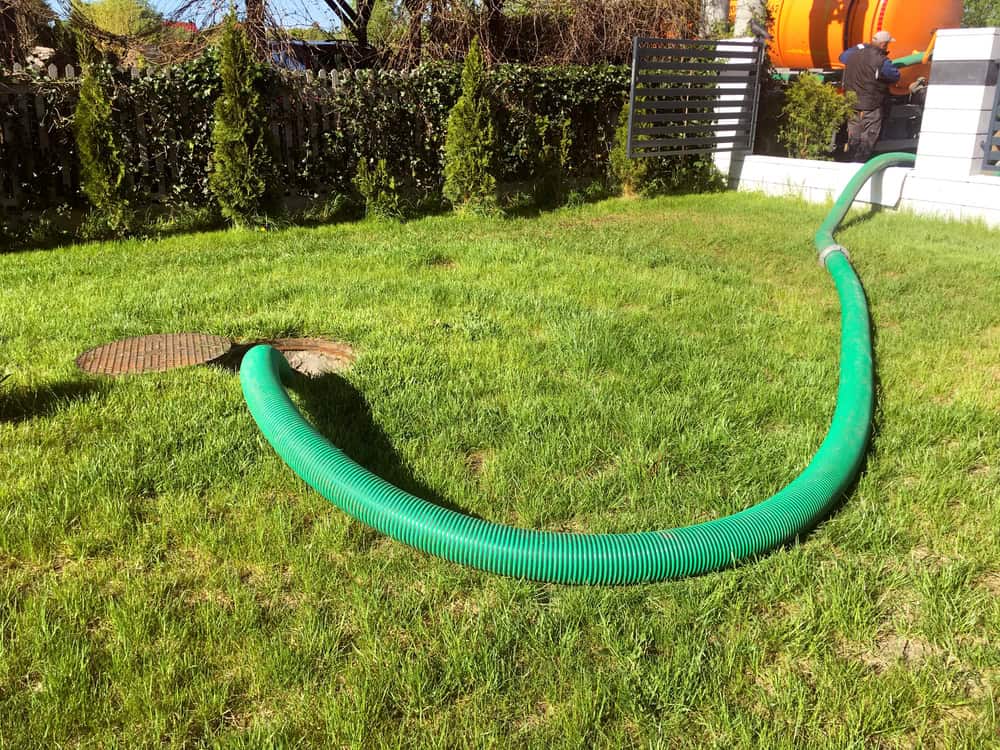
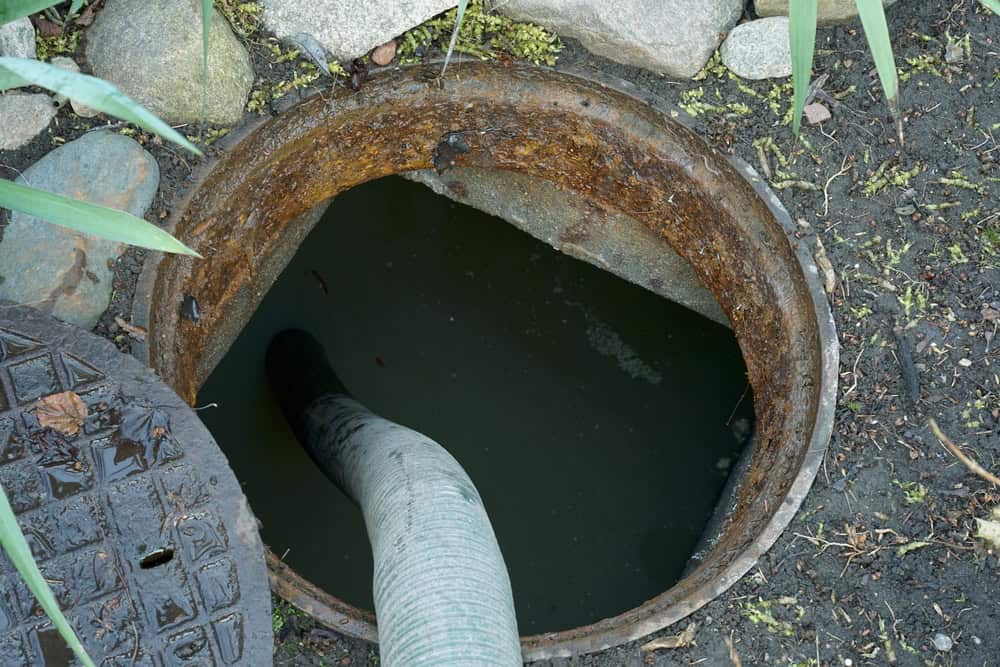
The specialized equipment required for proper cesspool service isn’t something homeowners can rent or operate safely. Vacuum trucks, high-pressure jetting systems, and gas monitoring equipment are necessary to remove waste without health risks. These aren’t tools from the local hardware store—they’re specialized commercial vehicles and equipment worth hundreds of thousands of dollars.
Safety considerations make DIY cesspool work genuinely dangerous. Cesspools produce toxic gases like methane and hydrogen sulfide that can cause unconsciousness or death. Raw sewage exposure creates serious health risks from pathogens that require specialized protective gear and disinfection protocols. Homeowners don’t have access to the waste disposal permits and facilities that licensed contractors use.
Eco-friendly service practices protect Long Island’s groundwater while handling your waste responsibly. Professional contractors dispose of septage at approved facilities designed to treat wastewater properly rather than allowing contamination of local water sources. This environmental responsibility matters more on Long Island than in many other regions because of our sole-source aquifer.
Protecting Your Home with Regular Septic Tank Maintenance
Your cesspool system doesn’t need to be a source of stress or surprise expenses. With the right maintenance schedule and attention to warning signs, you can keep it functioning properly for decades.
Regular septic tank cleaning every three to five years—adjusted for your household size and usage—prevents the vast majority of problems Long Island homeowners encounter. Professional service catches developing issues before they become emergencies that cost thousands to resolve.
The difference between homeowners who face costly disasters and those who don’t comes down to awareness and consistency. You now know what warning signs matter, how Long Island’s unique conditions affect your system, and why a few hundred dollars in preventive maintenance protects you from five-figure replacement bills.
When you’re ready for reliable cesspool service that understands your property’s specific needs, we bring over 20 years of local expertise to every job. We serve all of Long Island with transparent pricing, same-day emergency services when needed, and the kind of professional care that keeps systems running smoothly for years.