Summary:
Your toilet’s draining slower than usual. There’s a faint smell near the yard that wasn’t there last month. Maybe you’re noticing these things, maybe you’re dismissing them as minor issues that’ll sort themselves out.
Here’s what most Long Island, NY homeowners don’t realize until it’s too late: your cesspool has been trying to get your attention for weeks, maybe months. By the time you’re dealing with sewage backing up into your home or a soggy, smelly yard, you’re facing an emergency instead of a planned replacement. This guide walks you through the warning signs that indicate it’s time for a new cesspool installation—and what each one means for your property.
When Multiple Drains Start Moving Slowly
If one drain is slow, you probably have a clog in that specific pipe. When multiple drains throughout your house are slow at the same time—the kitchen sink, the shower, the toilet—that’s your cesspool sending a clear message. The system is full or blocked, and wastewater has nowhere to go.
This happens gradually enough that you might not notice at first. The toilet takes an extra second to drain completely. The shower water pools around your feet a bit more than usual. You run the kitchen faucet and the sink empties just a little slower than it used to. These aren’t random plumbing issues. They’re all pointing to the same problem underground.
Why Long Island Soil Makes Slow Drains Worse
Long Island’s unique soil conditions make drainage problems more noticeable than they might be elsewhere. If you’re in an area with clay soil, it doesn’t absorb liquids quickly. When your cesspool fills up, the backup happens faster than it would in sandier areas. You might go from slightly slow drains to complete backup within days once the system reaches its limit.
Properties with sandy soil face a different challenge. Water moves through sand so quickly that your cesspool doesn’t have time to properly process wastewater before it reaches the groundwater below. That’s why environmental regulations keep getting stricter in coastal areas—the soil isn’t providing enough natural filtration. Long Island gets 100% of its drinking water from underground aquifers, making proper cesspool services critical for protecting the water supply.
Either way, slow drains are often the first warning sign you’ll notice, which makes them valuable. If you schedule cesspool pumping at this stage, you’re looking at routine maintenance. Wait until the drains stop working completely, and you’re dealing with an emergency that costs significantly more to fix. The wastewater that can’t drain properly backs up into your home, creating unsanitary conditions that require professional cleanup beyond just pumping the cesspool.
Homeowners sometimes try to fix slow drains with store-bought drain cleaners or by snaking individual pipes. Those solutions might provide temporary relief, but they don’t address the underlying problem. If your cesspool is full, chemical drain cleaners won’t help—they just add more chemicals to an already overloaded system. Professional septic tank services can assess whether you’re dealing with a simple clog or a cesspool that needs replacement, which saves you time and money compared to trying multiple DIY fixes that don’t work.
When Pumping More Frequently Stops Working
If you’re pumping your cesspool more than once a year and still experiencing slow drains, that’s a strong indicator the system itself is failing. Frequent pumping becomes a Band-Aid on a broken leg—you’re treating the symptom without addressing the real problem. Regular cesspool pumping should keep your system functional for 1-2 years between services. When that timeline shrinks to months, something’s wrong.
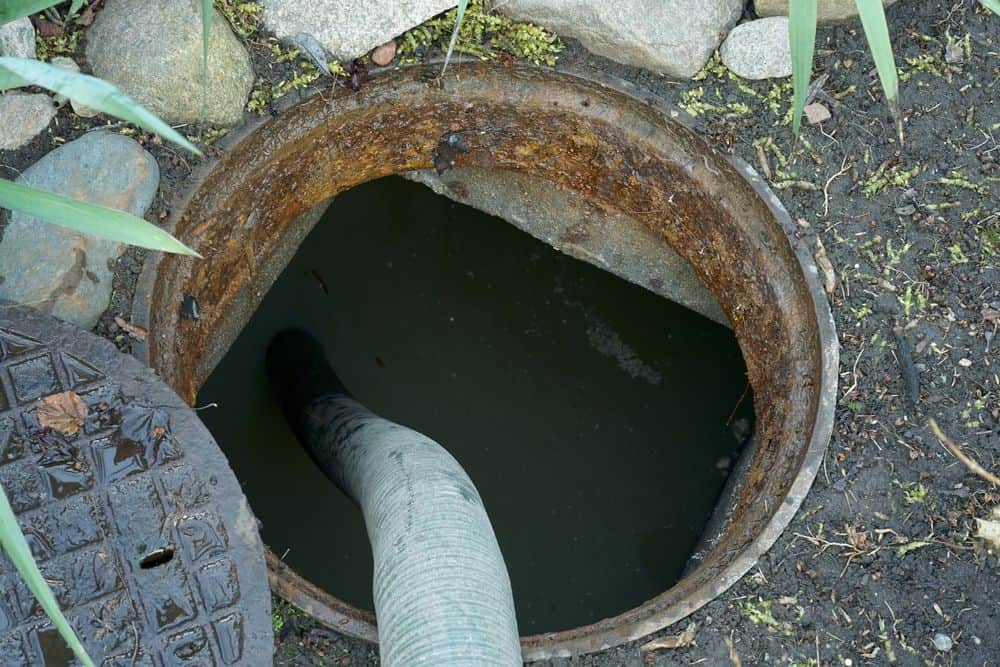
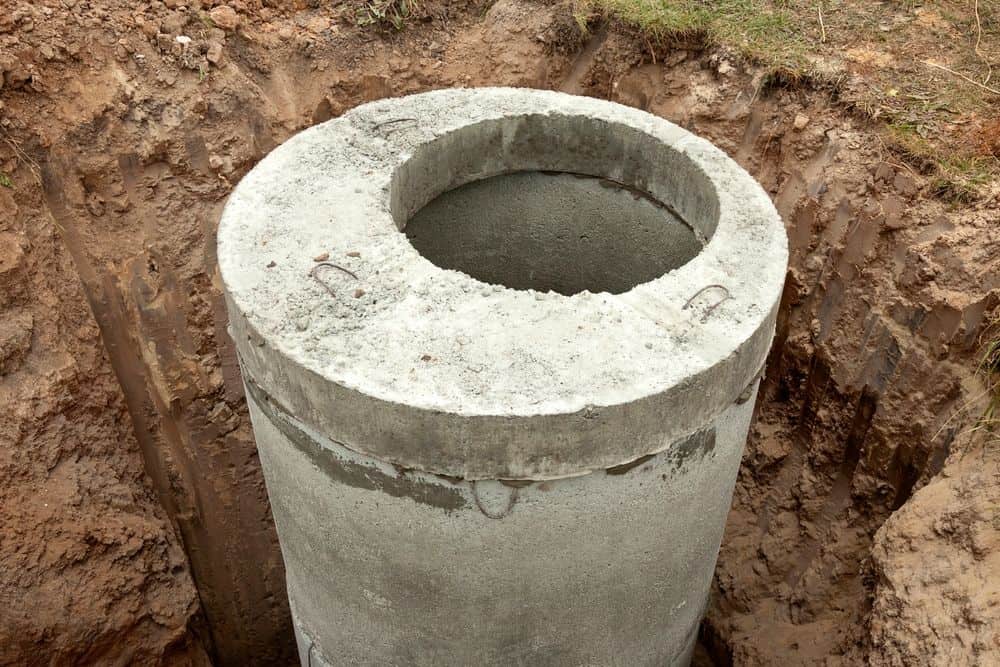
Cesspools work by allowing liquid to seep out through porous walls into the surrounding soil while solids settle at the bottom. Over time, those porous walls become clogged with a biological mat—a layer of bacteria and organic matter that turns into a waterproof barrier. Once this happens, the liquid can no longer seep into the soil, and the system is essentially dead. No amount of septic tank pumping or cesspool cleaning fixes structural failure.
Many Long Island cesspools were built before 1970 using concrete blocks that have far exceeded their structural lifespan. These aging systems are time bombs waiting to fail under the pressure of accumulated waste and groundwater infiltration. If your system is 15-40 years old and requiring constant pumping, you’re past the point of maintenance and into replacement territory. The concrete itself deteriorates over decades, especially in freeze-thaw cycles common to Long Island winters.
The financial math is straightforward. Cesspool pumping costs $200-$500 per visit. If you’re pumping three or four times a year, you’re spending $800-$2,000 annually just to keep a failing system limping along. Compare that to a new cesspool installation that, with available grants, might cost you $5,000-$10,000 out of pocket and last another 20-40 years. The constant pumping approach doesn’t save money—it just delays the inevitable while racking up costs and increasing your risk of catastrophic failure.
Want live answers?
Connect with a EZ Cesspool Long Island expert for fast, friendly support.
Foul Odors That Won't Go Away
If you smell sewage or rotten eggs around your property, that’s escaping gas from a failing system. The smell might be faint at first—noticeable when you’re in the yard, gone when you’re inside. But if it’s persistent and getting stronger, your cesspool is telling you it can’t contain waste properly anymore.
The smell itself isn’t just unpleasant. It’s a health warning. Sewer gases contain methane and hydrogen sulfide, which can be harmful in high concentrations. If you’re smelling sewage inside your home, it means those gases are entering your living space through your plumbing system. Opening windows doesn’t solve the problem. You need to address the source with professional cesspool services.
What Odors Tell You About System Failure
The smell pattern reveals important information about your system’s condition. Odors that appear intermittently might indicate early-stage problems—your cesspool is getting full but hasn’t failed completely yet. Constant, overwhelming smells suggest your cesspool is beyond capacity and waste isn’t staying where it should. This is when you need immediate septic tank services to assess the situation.
Long Island’s high water table makes odor problems more serious than they might seem. When your cesspool is full and the water table is high, there’s less space for wastewater to go. The sewage can start to surface in your yard, creating wet spots that smell and pose serious health risks. Children and pets playing in contaminated areas face exposure to dangerous bacteria, viruses, and parasites that cause illness. Properties near the water or in low-lying areas face additional challenges during wet weather when the water table rises even higher.
Some homeowners try to mask odors with air fresheners or by improving ventilation. That’s like putting a Band-Aid on a broken arm. The smell is a symptom of system failure, and cosmetic fixes don’t address the underlying problem. If waste is escaping your cesspool through cracks or overflow, you need professional assessment to determine whether repair is possible or if cesspool installation is necessary.
The timing matters too. If you’re smelling sewage and also experiencing slow drains or wet spots in your yard, those combined symptoms paint a clear picture of system failure. At that point, you’re not dealing with a maintenance issue—you’re looking at a failing cesspool that needs replacement before it creates a full-blown emergency. Sewage backing up into your home isn’t just inconvenient—it’s a health hazard that requires immediate professional cleanup, often costing $3,000-$7,000 beyond the cost of fixing the actual system.
How Suffolk County Regulations Affect Your Replacement Timeline
Here’s where things get complicated for Long Island homeowners. Suffolk County banned traditional cesspool installation effective July 1, 2019. If your cesspool fails and needs replacement, you can’t just install a new cesspool. Current regulations require upgrading to a nitrogen-reducing septic system—specifically, an Innovative/Alternative Onsite Wastewater Treatment System (I/A OWTS). Nassau County has similar restrictions in place.
These advanced systems cost more upfront than old-style cesspools. The average total cost for nitrogen-removing I/A systems is approximately $19,200 to $25,000, depending on system requirements and site constraints. That’s a significant investment, which is why the smell of sewage shouldn’t be ignored. The longer you wait, the more likely you’ll face this expense during an emergency when you have no time to shop around or plan financially.
But here’s where it gets interesting. Nassau County offers grants up to $20,000 for homeowners, and Suffolk County provides a $10,000 grant, with an additional $5,000 for low to moderate income applications and $5,000 when a pressurized shallow drainfield is required. In some cases, you might receive a combined $25,000 grant—covering most or all of the installation cost of a nitrogen-reducing septic system. These grant programs exist because Long Island’s drinking water comes entirely from underground aquifers, and protecting that water supply is critical.
This changes the math completely. What looked like a $25,000 project could cost you $5,000 or less out of pocket. But accessing these grants requires proper documentation, working with licensed contractors, and planning ahead. If you wait until your system fails catastrophically, you’re competing with other emergencies for contractor time, and you might miss grant application windows. The permit process alone takes 2-4 weeks, and you need soil testing, site plans, and system specifications before permits are even submitted.
The smart move when you start smelling sewage persistently is to get a professional assessment. Find out how much life your current system has left, understand your replacement options, and start the grant application process before you’re dealing with sewage backing up into your home. Working with a company offering comprehensive septic tank services can guide you through the entire process, from initial assessment to final installation.
Planning Your Cesspool Installation Before Emergency Strikes
Your cesspool will give you warnings before it fails completely. Slow drains. Foul odors. Wet spots in your yard. Unusually green grass patches where nutrient-rich waste is leaking. These aren’t minor inconveniences you can ignore—they’re your system’s way of telling you it’s time to act.
The difference between homeowners who face costly cesspool emergencies and those who don’t comes down to one thing: recognizing these warning signs early and planning replacement on your timeline instead of waiting for disaster. With Suffolk County’s new regulations requiring nitrogen-reducing systems and grants available to cover most installation costs, the financial picture looks very different when you have time to plan versus facing an emergency at 2 AM.
If you’re noticing any of the warning signs discussed here, or if your cesspool is 15 years or older, now is the time for professional assessment. At EZ Cesspool Long Island, we bring over 20 years of local experience to every project. We understand Long Island’s unique soil conditions, navigate the permit process efficiently, help you access available grant funding, and provide transparent pricing with no hidden fees. Our same-day and emergency services mean you’re covered whether you’re planning ahead or facing an urgent situation—turning what feels like an overwhelming project into a manageable investment in your property’s future.