Summary:
Your property needs a septic system, and the quotes you’re getting range from $10,000 to $25,000. One contractor mentions nitrogen-reducing requirements. Another talks about I/A OWTS systems. A third insists concrete is the only option while someone else swears by plastic tanks.
Nassau County’s regulations changed. Soil conditions matter more than you realized. And somewhere in all this, you’re supposed to figure out tank sizing, drain field placement, and whether you qualify for grant funding that could cover half your costs.
Here’s what actually matters when you’re installing a septic tank in Nassau County.
Understanding Septic System Installation Requirements in Nassau County
Nassau County doesn’t treat septic installations like other parts of the country. Long Island sits on a sole-source aquifer. Every drop of drinking water comes from groundwater beneath your property. When septic systems fail or leak, they contaminate the water supply everyone depends on.
That’s why regulations here are stricter than most places. Your installation needs to meet Nassau County Health Department requirements, pass multiple inspections, and increasingly, reduce nitrogen pollution. The county offers grants up to $20,000 for nitrogen-reducing systems because protecting water quality isn’t optional anymore.
Your first step isn’t calling contractors for quotes. It’s understanding what type of system your property actually needs based on location, soil conditions, and current regulations.
Aerobic Septic System vs Conventional: Which Does Your Property Need
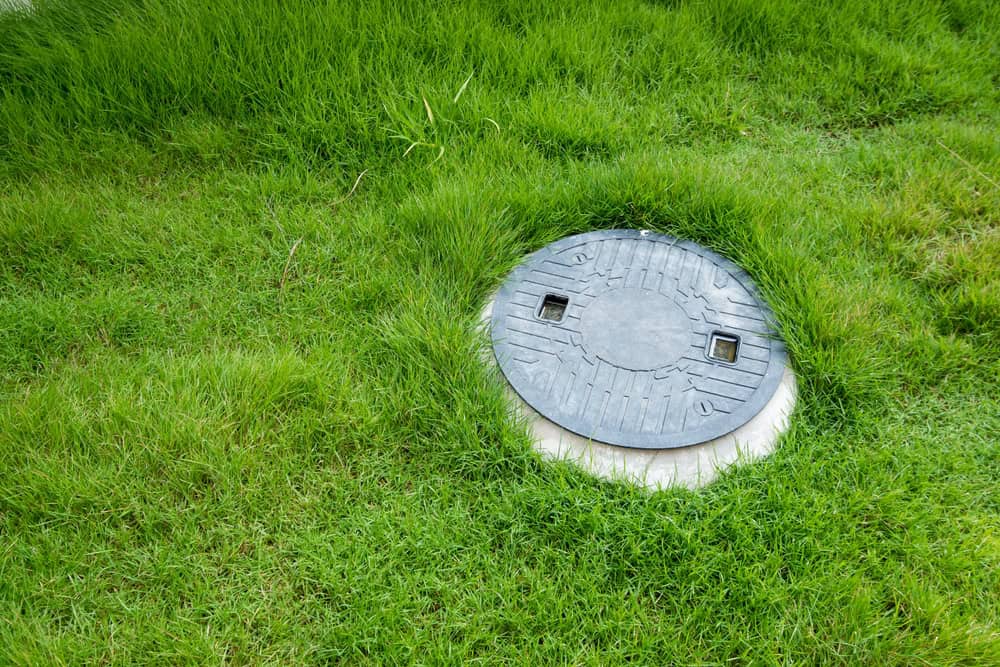
Conventional septic systems are what most people picture. Wastewater flows from your home into a sealed tank where bacteria that don’t need oxygen break down solids. Liquid waste then moves to the drain field for final treatment in soil. These systems cost less upfront, typically $8,000-$15,000 for basic installations.
The problem? Conventional systems don’t remove nitrogen. They process waste, but nitrogen passes through into groundwater. For decades, that wasn’t considered a major issue. Now it is.
Aerobic septic systems inject oxygen into the treatment process. This promotes different bacterial activity that breaks down waste more completely and removes significantly more nitrogen before water reaches soil. These systems cost more, usually $15,000-$25,000, but they treat wastewater to higher standards.
Which one do you need? That depends on several factors. New construction in most of Nassau County now requires nitrogen-reducing systems. Properties near sensitive water bodies face stricter requirements. If you’re replacing an existing conventional system and your property isn’t in a priority area, you might have more flexibility.
The Suffolk County requirement since July 2021 mandates I/A OWTS (Innovative/Alternative Onsite Wastewater Treatment Systems) for all new single-family construction and major reconstruction projects. Nassau County has similar initiatives. These are essentially aerobic systems with enhanced nitrogen removal capabilities.
Don’t assume you can install whichever system costs less. Your property location, proximity to water bodies, and current county priorities determine what’s allowed. A site evaluation and conversation with your local health department clarifies requirements before you spend money on the wrong system design.
Aerobic systems also need more maintenance. You’re looking at electricity costs to run the aerator, potential chlorine additions for disinfection, and more frequent professional inspections. But if your property requires nitrogen reduction, these ongoing costs aren’t optional.
Concrete Septic Tank vs Plastic vs Fiberglass: Material Selection Guide
Tank material affects your installation cost, longevity, and site requirements. Concrete, plastic, and fiberglass each work, but they’re not interchangeable for every property.
Concrete septic tanks are the most common choice in Nassau County. They’re durable, lasting 40+ years when properly installed and maintained. Concrete handles surface traffic if someone accidentally drives over your tank location. Every jurisdiction accepts concrete, and some municipalities actually require it. The tank itself costs $800-$2,000 depending on size.
The downside? Weight. A 1,000-gallon concrete tank weighs up to 10,000 pounds. You need heavy equipment, a crane or boom truck, and enough site access for that equipment to reach your installation location. This adds $500-$1,500 to installation labor compared to lighter materials. Concrete can also crack over time from ground shifting or tree root pressure, though cracks are repairable if caught early.
Plastic septic tanks weigh 150-300 pounds for the same 1,000-gallon capacity. Installation is simpler, costs less, and works for properties where heavy equipment access is difficult. Plastic won’t corrode or rust, and the seamless construction eliminates joint failure points. Tank cost runs $500-$1,200.
But plastic has risks in Nassau County’s conditions. The lightweight nature that makes installation easy also creates buoyancy problems. In areas with high water tables, plastic tanks can float or shift during heavy rains or flooding. They’re also more vulnerable to damage from soil pressure and can’t handle surface traffic. If your property has high groundwater levels, plastic might not be suitable.
Fiberglass tanks offer a middle option. They weigh 200-400 pounds, making installation easier than concrete without the extreme lightness of plastic. Fiberglass is corrosion-proof and resists the hydrogen sulfide gas that eats concrete from inside. These tanks cost $1,200-$2,000 and last 30-40 years.
The challenge with fiberglass is availability. Not all suppliers stock them, and they can be more expensive than plastic while offering similar weight benefits. They’re also not as strong as concrete and can crack if mishandled during installation.
For most Nassau County installations, concrete remains the preferred choice. It handles local soil conditions well, meets all code requirements, and provides the longest lifespan. If your property has difficult access or you’re working with budget constraints, plastic or fiberglass might make sense, but only after confirming your water table and soil conditions won’t cause problems.
We evaluate your specific site before recommending a material. Don’t let someone talk you into plastic just because it’s cheaper to install if your property conditions make it a poor choice. And don’t assume concrete is always necessary if your site would benefit from a lighter material.
Want live answers?
Connect with a EZ Cesspool Long Island expert for fast, friendly support.
Septic Tank Sizing and Installation Process
Getting tank size wrong causes problems you’ll deal with for decades. Too small, and your system can’t handle normal household water usage. Wastewater gets pushed out before solids properly separate, clogging your drain field. Too large, and you won’t have enough liquid to support the bacterial action that breaks down waste.
Nassau County uses bedroom count as the primary sizing metric. Not bathrooms. Not current occupancy. Bedrooms. That’s because regulations size systems for a property’s maximum potential occupancy, not just current use. A three-bedroom house gets sized for six people even if you live alone.
The standard calculation assumes 150 gallons of wastewater per bedroom per day. Your septic tank needs to hold at least two days’ worth of that flow to allow proper settling and treatment.
Small Septic Tank Requirements: Sizing by Bedroom Count
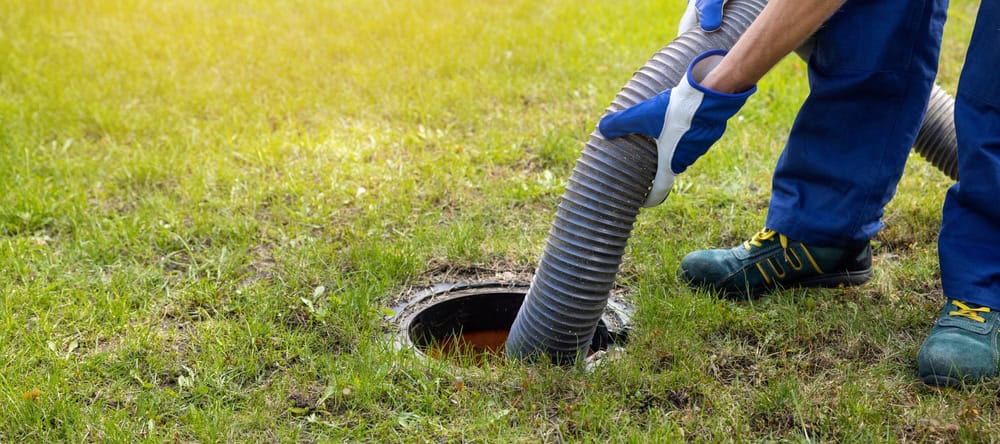
A small septic tank for a one or two-bedroom home typically requires 750-1,000 gallon capacity. That’s the minimum in most jurisdictions, and Nassau County follows similar guidelines. Even if you live alone in a one-bedroom cottage, your system gets sized for at least two people.
Three-bedroom homes need a 1,000-gallon tank minimum. This is the most common residential installation size in Nassau County. It handles normal family water usage including showers, laundry, dishwashing, and toilet flushing for a household of four to six people.
Four-bedroom properties require 1,250-1,500 gallons. Five or more bedrooms typically need 1,500+ gallons, though exact requirements depend on additional factors like high-water-use appliances.
But bedroom count is just the starting point. Your actual water usage matters too. If you have a garbage disposal, that increases solid waste load by up to 50%. Large soaking tubs, multiple washing machines, or water softeners that discharge significant volumes all increase the wastewater your system needs to handle.
Properties with these features often benefit from going larger than the minimum required size. A 1,000-gallon tank might be code-compliant for your three-bedroom home, but if you have a family of five who all shower daily, run the dishwasher and washing machine frequently, and use a garbage disposal, a 1,250-gallon tank provides more buffer capacity.
The soil conditions on your property also influence sizing decisions. Nassau County has clay-heavy soils in some areas that don’t absorb water as quickly as sandy soils. If your property has slow-percolating soil, you might need a larger tank to compensate for reduced drain field capacity.
Professional site evaluation determines the right size for your specific situation. This includes soil testing, percolation tests to measure how quickly water moves through your soil, and assessment of your property’s water table levels. These tests aren’t optional extras. Nassau County requires them before approving your installation permit.
Don’t try to save money by undersizing your tank. The few hundred dollars you might save upfront turn into thousands in repairs when your system can’t handle your household’s actual usage. And don’t assume bigger is always better. Oversized tanks in low-occupancy homes can actually perform poorly because there’s not enough wastewater volume to support proper bacterial action.
Installation Steps: Site Evaluation Through System Startup
Septic tank installation follows a specific sequence. Missing steps or doing them out of order causes permit delays, failed inspections, or systems that don’t work properly from day one.
Site evaluation comes first. A professional assesses your property to determine the best location for your tank and drain field. This considers setback requirements from your home, property lines, wells, and water bodies. Nassau County mandates specific distances. Your tank needs to be at least 10 feet from your house, 100 feet from wells, and varying distances from property lines depending on your lot size.
The evaluator also identifies your soil type and any site challenges like high water tables, ledge rock, or mature trees whose roots could interfere with your system. This information determines what type of system your property can support and where it can be installed.
Soil testing and percolation tests happen next. A licensed professional digs test pits at your proposed drain field location and conducts percolation tests to measure how quickly water moves through soil. Fast-draining sandy soil needs different drain field design than slow-draining clay. These tests are required for permit approval and directly affect your system design and cost.
Permit applications follow testing. We submit plans to the Nassau County Health Department showing your proposed system design, tank location, drain field layout, and all test results. The health department reviews everything for code compliance before issuing permits. This process takes time. Don’t expect same-week approval.
Excavation begins once permits are approved. Heavy equipment digs the hole for your tank and trenches for your drain field. The depth depends on your system type and soil conditions. Conventional systems typically install with tanks 1-3 feet below grade. The excavation needs to be precise. Too deep or too shallow affects system performance.
Tank installation requires placing your septic tank in the prepared hole, ensuring it’s level, and connecting inlet and outlet pipes. For concrete tanks, this means coordinating crane service. The tank must be perfectly level. Even slight tilting affects how waste separates inside the tank.
Drain field construction happens simultaneously or immediately after tank installation. Your drain field is where treated wastewater filters through soil. It consists of perforated pipes laid in gravel-filled trenches that distribute water across a designated area. The size of your drain field depends on your daily wastewater volume and soil absorption rate.
Backfilling and grading restore your property after installation. Proper backfilling prevents tank shifting and ensures good drainage around your system. The area gets graded to direct surface water away from your tank and drain field.
Inspection is the final step before your system goes live. Nassau County requires inspection of the tank installation, drain field construction, and all connections. The inspector verifies everything meets code and your system is ready for use. Only after passing inspection can you connect your home’s plumbing to the new system.
System startup involves filling your tank with water and beginning normal household use. Your system needs time to establish proper bacterial colonies that break down waste. Avoid excessive water use or harsh chemicals during the first few weeks.
The entire process from initial site evaluation to final startup typically takes several weeks to a few months depending on weather, permit processing times, and contractor availability. Plan accordingly if you’re coordinating with new construction or need to replace a failing system.
Making Your Septic Tank Installation Decision
Nassau County septic tank installation involves more variables than most homeowners expect. System type, tank material, proper sizing, soil conditions, and regulatory compliance all affect your project’s success and cost. But understanding these factors helps you make informed decisions rather than just accepting whatever quote sounds cheapest.
Your property’s specific conditions determine which system type works best. Nitrogen-reducing requirements, grant funding availability, and long-term maintenance costs all factor into the real investment. A lower upfront cost doesn’t matter if you’re installing a system that won’t meet current regulations or fails prematurely because it wasn’t right for your soil conditions.
Start with professional site evaluation. Know your soil type, water table levels, and what regulations apply to your property location. Then explore grant funding options that could cover up to $20,000 of your installation costs. These steps clarify your actual options before you commit to a specific system design.
When you’re ready to move forward with installation, working with experienced local professionals who understand Nassau County’s unique requirements makes the difference between a smooth project and months of permit delays and compliance headaches. We bring over 20 years of Long Island expertise to every installation, handling everything from site evaluation through final inspection with the transparent pricing and clear communication you need.