Summary:
You’ve been getting quotes for septic tank installation, and the numbers are all over the place. One contractor says $12,000, another quotes $25,000, and you’re left wondering if someone’s padding the bill or if you’re missing something important.
The wide price range isn’t random, and you’re not being taken advantage of. Long Island septic installations cost more than most national averages you’ll find online for specific reasons. Nassau County’s nitrogen-reducing requirements, your soil conditions, permits, and your property’s unique layout all push costs in different directions. This guide breaks down the real numbers Long Island homeowners pay, what drives those costs, and how grant programs can cover up to $20,000 of your installation.
Septic System Installation Costs in Nassau County
The national average for septic tank installation sits between $3,600 and $12,485. That’s what you’ll find on most cost guides, and it’s accurate for basic conventional systems in areas with cooperative soil and straightforward access. Nassau County costs run higher, and that’s not contractors inflating prices.
You’re looking at $10,000 to $25,000 for most residential installations here. Long Island’s regulatory environment, soil conditions, and labor costs create a different pricing reality. The biggest cost driver is the type of system Nassau County now requires—traditional cesspools and basic septic systems don’t meet current environmental standards, so you need nitrogen-reducing technology for most new installations and replacements.
These advanced systems cost significantly more than conventional options, but grant programs exist specifically to offset this burden. Understanding the real costs helps you evaluate quotes intelligently instead of just picking the middle number and hoping for the best.
Aerobic Septic System Installation and Pricing
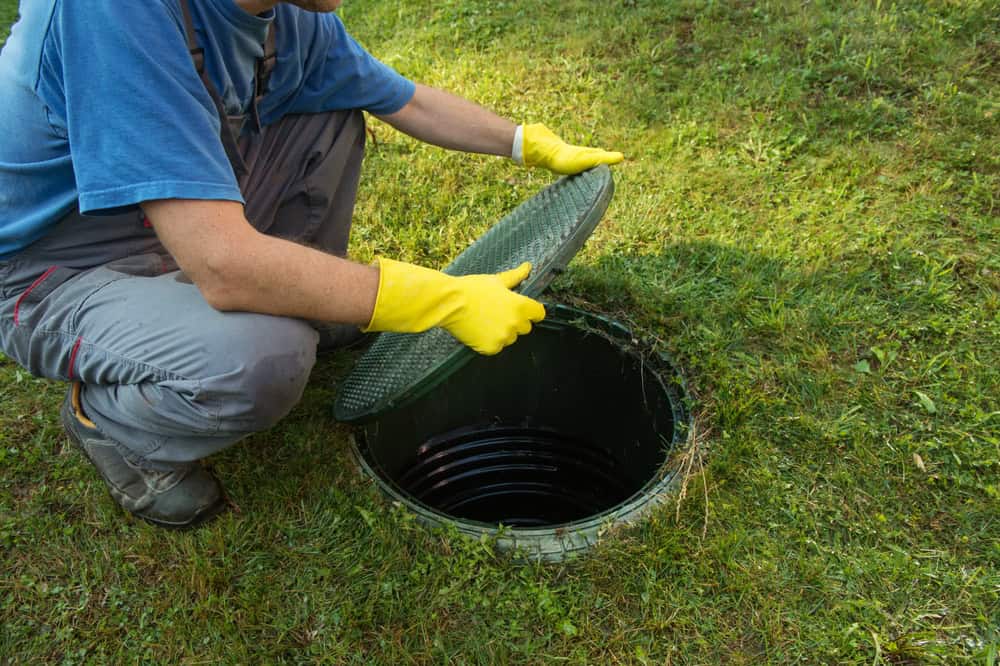
Aerobic septic systems pump oxygen into the treatment tank, creating an environment where bacteria break down waste five to ten times faster than in conventional systems. This thorough treatment produces cleaner effluent and allows for smaller drain fields, which matters on Long Island’s smaller residential lots where space is limited.
Aerobic systems cost $10,000 to $20,000 to install, roughly double or triple the cost of basic anaerobic systems. They require electricity to run the aerator pump, adding $5 to $15 monthly to your electric bill. They also need more frequent professional maintenance—typically quarterly inspections rather than annual checkups. These ongoing costs add $200 to $400 annually, sometimes reaching $300 per year specifically for innovative alternative systems.
The higher upfront cost comes with benefits beyond regulatory compliance. These systems work better in challenging soil conditions, which Nassau County has plenty of. Sandy soil that drains too quickly or clay-heavy areas that retain water both benefit from the enhanced treatment aerobic systems provide. If your property has limited space for a traditional drain field, an aerobic system might be your only viable option.
Nassau County’s SEPTIC program recognizes this cost burden. Eligible homeowners can access up to $20,000 in grant funding for nitrogen-reducing system installations, which covers a significant portion of aerobic system costs. The application process requires documentation most homeowners don’t have readily available—proof of your current system’s condition, property surveys, soil tests, and design plans for your replacement system. Working with contractors experienced in navigating these programs prevents delays that can stretch approval by months.
The maintenance requirements aren’t optional. Advanced systems need quarterly service to maintain their nitrogen-reducing performance, and you’ll need proof of a maintenance contract for grant eligibility. Factor this ongoing cost into your long-term budget when comparing system types, because it’s a commitment for as long as you own the property.
Concrete Septic Tank Costs and Material Comparisons
The tank itself represents only part of your total installation cost, but material choice affects both your immediate price and long-term performance. Concrete septic tanks are the most common in Nassau County, costing $700 to $2,000 for the tank alone. They last 40-plus years with proper maintenance and handle Long Island’s soil conditions well, which is why most local contractors recommend them.
Plastic or polyethylene tanks cost less upfront, typically $500 to $2,000, and they’re lighter, making installation easier in tight access situations. They resist corrosion from sewage gases and won’t crack from underground pressure the way concrete sometimes does. Not all areas allow their use, though, and they can shift or float in areas with high water tables—which Nassau County has throughout most residential areas.
Fiberglass tanks start around $1,500 for a 1,000-gallon unit, making them one of the pricier options. They work well in challenging soil conditions and won’t corrode, but the higher material cost pushes your total installation budget up. For most Nassau County homeowners, concrete remains the practical choice given local soil conditions and contractor familiarity with installation requirements.
Tank size depends on your home’s bedroom count, not current occupancy. A four-bedroom home requires a 1,000-gallon tank regardless of how many people currently live there. This sizing approach accounts for future occupancy and ensures the system handles peak loads during holidays or when you have guests. Smaller homes with two or three bedrooms might use 750 to 900-gallon tanks, while larger properties need 1,250 to 2,000 gallons or more.
Installation labor typically represents 50% to 70% of your total cost. Excavation, tank placement, drain field construction, and connection to your home’s plumbing all require specialized equipment and expertise. Properties with difficult access, high water tables, or rocky soil face higher labor costs because the work takes longer and requires additional equipment. A straightforward installation on open, accessible property in areas like Garden City or Manhasset costs less than one requiring driveway removal, extensive excavation, or work around mature landscaping in older neighborhoods.
Want live answers?
Connect with a EZ Cesspool Long Island expert for fast, friendly support.
Septic System Inspection Requirements for Nassau County
Nassau County requires septic system inspections every five years with mandatory reporting to the county database. These aren’t suggestions. They’re enforceable requirements with real consequences for non-compliance, including fines ranging from $250 to $2,000.
The inspection process involves a licensed professional evaluating your system’s condition, measuring sludge and scum levels, checking for structural damage, testing drainage capacity, and documenting whether your system meets current environmental standards. You receive a detailed report, and the service provider submits compliance documentation to the county. Professional inspections catch warning signs during the hundreds-of-dollars repair stage instead of the thousands-of-dollars replacement stage.
Long Island’s sandy soil and high water tables make systems particularly vulnerable to problems that develop gradually over months or years. A soggy patch in your yard gets bigger, drains slow down, odors appear occasionally then more frequently. Regular inspections identify these issues early when repairs cost a few hundred dollars instead of triggering complete system replacements that can run $15,000 to $30,000.
Septic Inspection Cost and What's Included
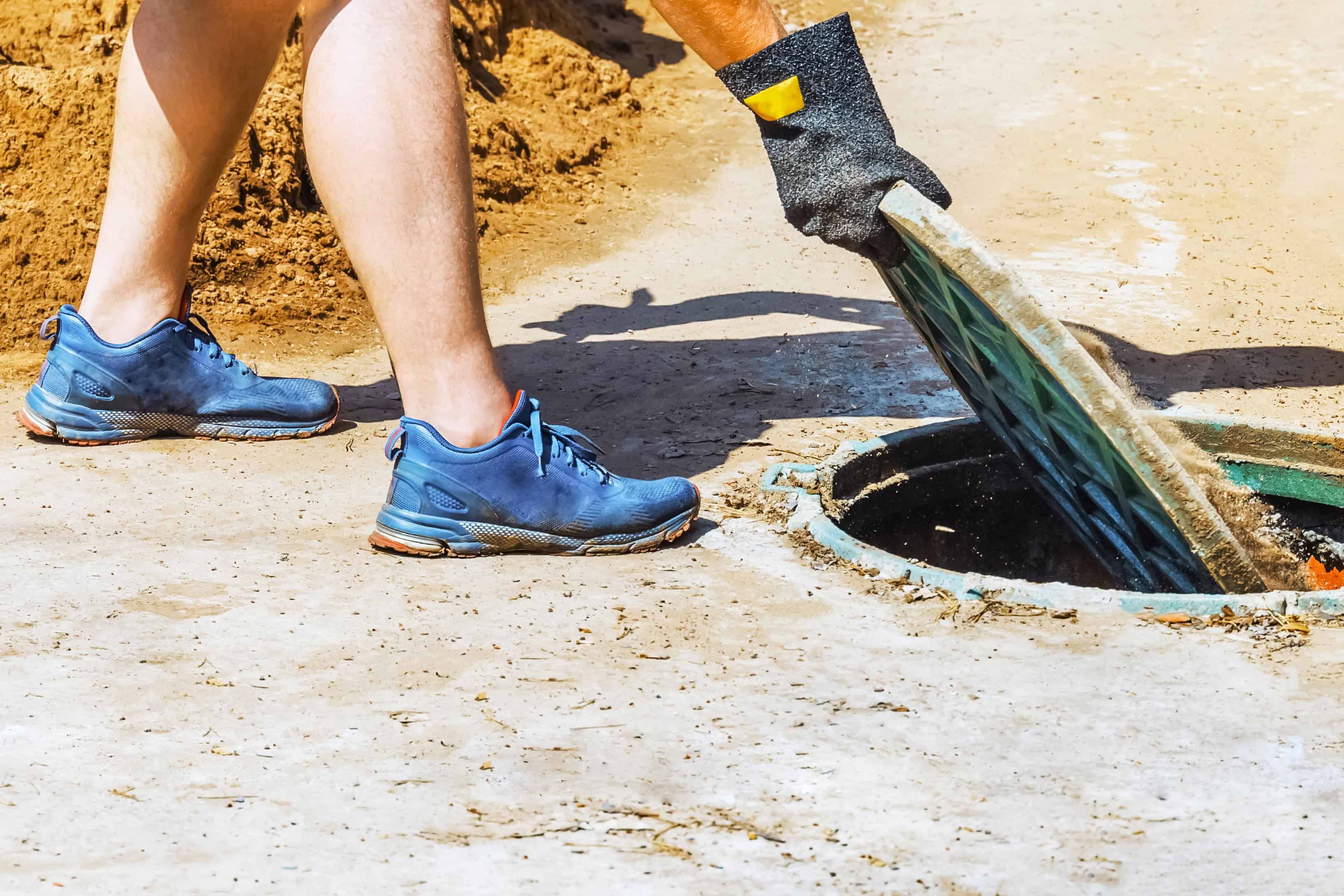
Septic inspection cost in Nassau County typically ranges from $200 to $500 depending on system complexity and accessibility. This covers the visual inspection, sludge level measurement, component evaluation, and required county reporting. Some contractors include basic maintenance recommendations at no additional charge, while others charge separately for detailed assessment reports.
Professional inspections go deeper than visual checks. Certified technicians use specialized tools like sludge judges to measure accumulation levels accurately. They inspect critical components like baffles and filters that homeowners can’t easily access or evaluate. A damaged baffle might cost only a few hundred dollars to repair but could destroy your entire drain field if ignored, leading to replacement costs of $3,000 to $15,000.
The inspection also creates the documentation you’ll need if you decide to sell your property. Buyers require current inspection records as part of their due diligence in Nassau County. Properties without proper documentation fail to close, or sellers face last-minute negotiations where buyers demand system replacements or significant price reductions. Keeping up with required inspections protects your property value and prevents complications during real estate transactions.
When you’re scheduling an inspection, ask whether the service includes county reporting submission. Some contractors handle all the paperwork, while others provide you with the report and leave submission to you. Given Nassau County’s specific reporting requirements and online systems, having your contractor handle this step eliminates potential compliance issues from missed deadlines or incorrect filing.
Think of mandatory inspections as preventive medicine for your septic system. Your system works around the clock processing everything your household sends down the drains. Regular professional evaluation keeps it functioning and keeps you compliant with regulations that protect Long Island’s sole-source aquifer—the underground reservoir that supplies 100% of the island’s drinking water.
Septic Tank Pumping Schedule and Maintenance Costs
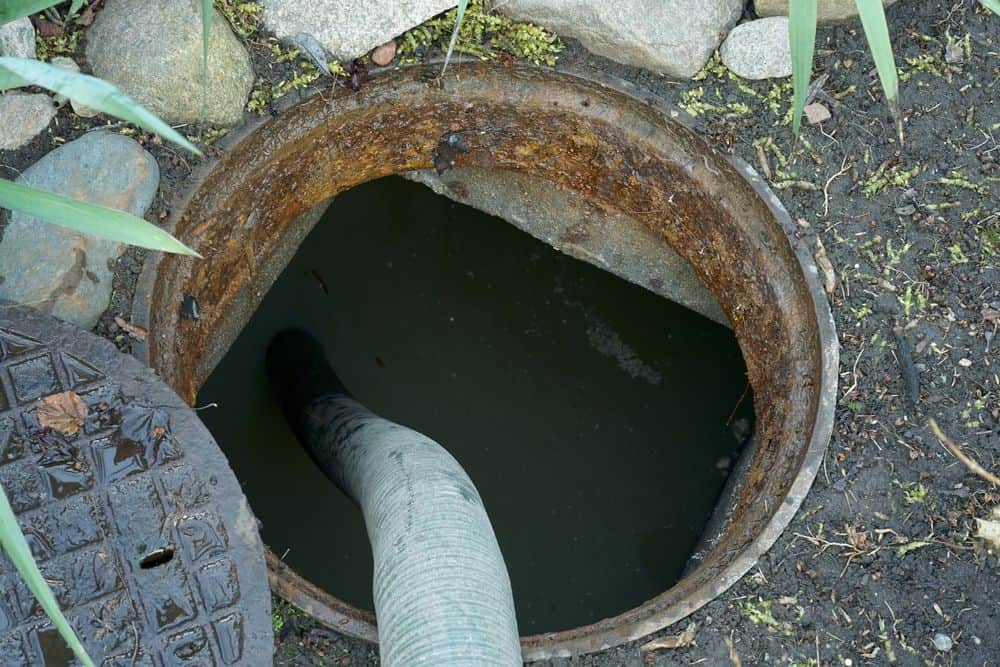
Septic pumping cost in Nassau County typically ranges from $300 to $600 depending on tank size and accessibility. A standard 1,000-gallon tank for a three or four-bedroom home usually falls in the $300 to $500 range. Larger tanks, difficult access locations, or systems that haven’t been pumped in many years cost more because there’s more waste to remove.
Most Nassau County homes need pumping every two to three years, but your specific schedule depends on household size and water usage. A family of four typically needs service every two to three years, while smaller households might extend to three or four years between pumpings. Garbage disposals, water softeners, and frequent laundry increase solid accumulation, requiring more frequent pumping.
Long Island’s sandy soil means waste moves through your system differently than in other areas, often requiring more frequent attention than generic three-to-five-year guidelines suggest. If you’re still following the schedule the previous homeowner used five years ago, you might be pushing it. Track your actual usage, note any changes in household size, and pay attention to how your system performs throughout the year.
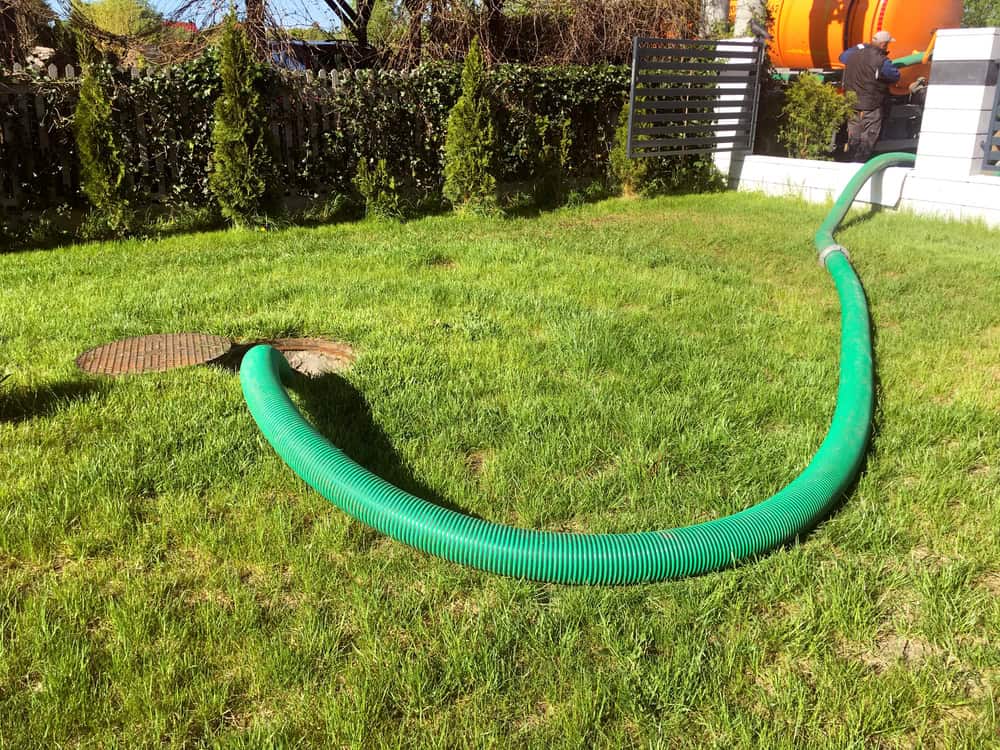
Pumping rates vary based on several factors beyond just tank size. Accessibility plays a major role. If your tank is easy to reach from the driveway with clear access for the pump truck, you’ll pay the standard rate. Tanks located far from the street, behind fences, or in areas requiring the truck to cross your lawn cost more because the additional hose length and setup time increase labor.
Emergency service calls carry higher rates, typically $100 to $300 more than scheduled maintenance. When you call on a weekend, holiday, or after hours because your system is backing up, you’re paying for immediate response and disruption to the contractor’s schedule. This is another reason regular maintenance saves money—scheduling pumping during normal business hours costs significantly less than emergency calls when your system fails during a family gathering.
Understanding Your Septic Installation Investment
Septic tank installation cost in Nassau County runs higher than national averages, typically $10,000 to $25,000 or more depending on system type, property conditions, and regulatory requirements. These aren’t inflated prices—they reflect Long Island’s unique soil conditions, strict nitrogen-reducing regulations, higher labor costs, and required permits that other regions don’t face.
Understanding what drives your costs helps you evaluate quotes intelligently and make confident decisions. The cheapest quote often leads to problems later, either from cut corners during installation or from contractors who lowball estimates then add surprise charges. Value comes from contractors who explain their pricing clearly, demonstrate local expertise, handle permits and inspections properly, and stand behind their work.
Grant programs offering up to $20,000 through Nassau County’s SEPTIC program make advanced nitrogen-reducing systems financially accessible for many homeowners. The application process requires documentation and patience, but the funding can cover a substantial portion of installation costs. Working with contractors experienced in grant applications increases your chances of approval and prevents delays from incomplete paperwork. When you need septic installation, repair, or maintenance in Nassau County, we at EZ Cesspool bring over 20 years of local expertise to every project with transparent pricing, same-day emergency service, and comprehensive knowledge of Nassau County’s requirements.