Summary:
You’re three weeks from closing on your dream home in Nassau County, and your mortgage lender just asked for septic documentation. Or maybe you’re selling, and the buyer’s inspector mentioned something about a “full system evaluation.” Either way, you’re now googling the difference between a septic tank inspection and a system inspection at 11 PM, wondering which one you actually need and what it’s going to cost.
Here’s the truth most contractors won’t tell you upfront: these aren’t interchangeable terms, and choosing the wrong one can delay your closing, cost you thousands in re-inspection fees, or leave you stuck with a system that fails six months after you move in. You need to know what each inspection covers, when Nassau County requires which type, and how to get documentation that actually satisfies lenders and county requirements without paying for services you don’t need.
What's Actually Included in a Septic Tank Inspection
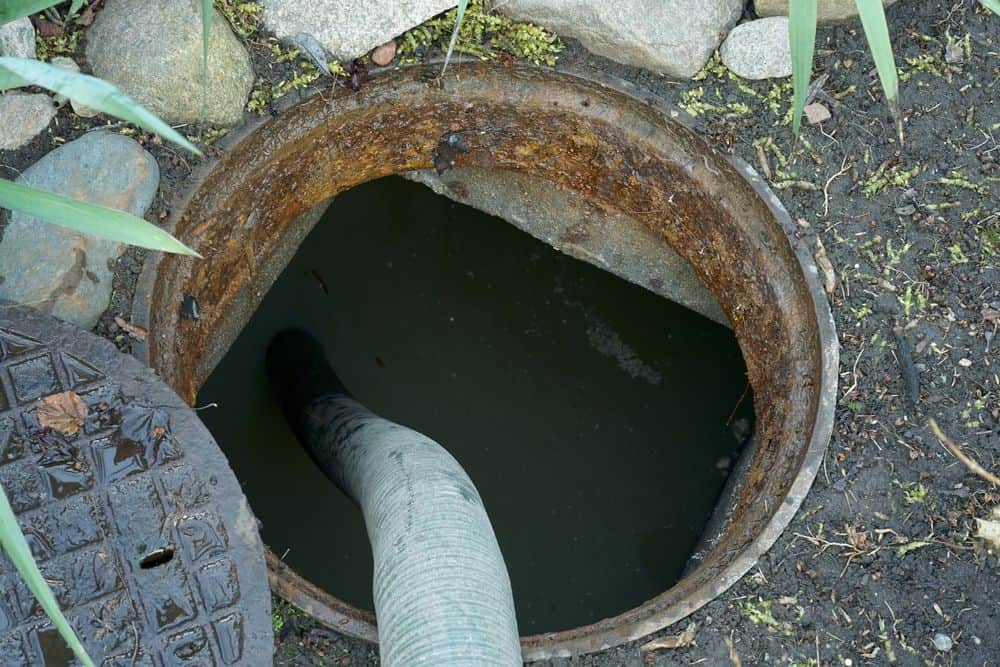
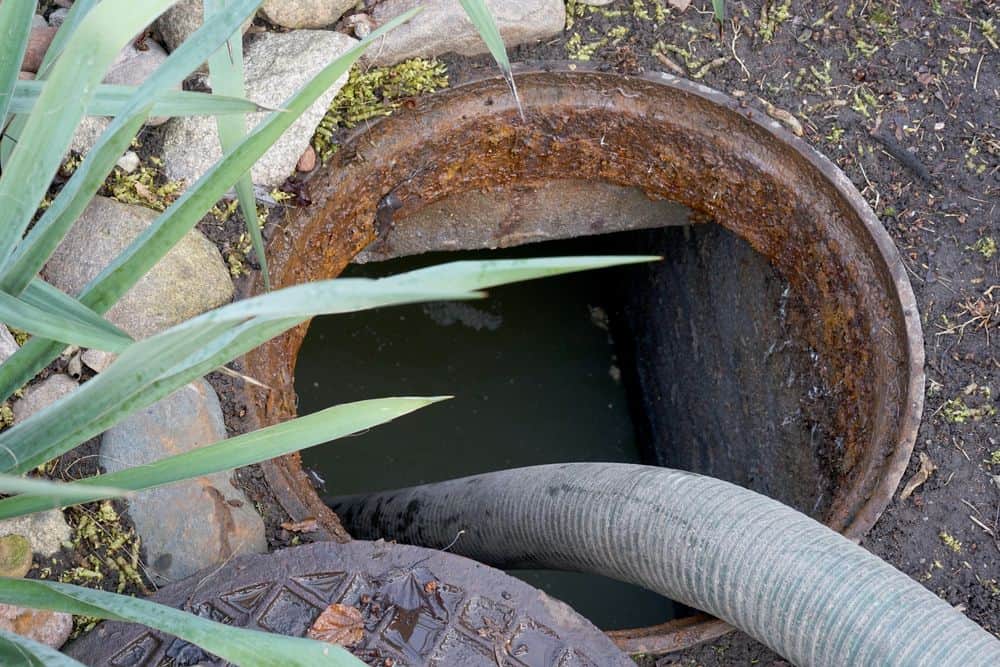
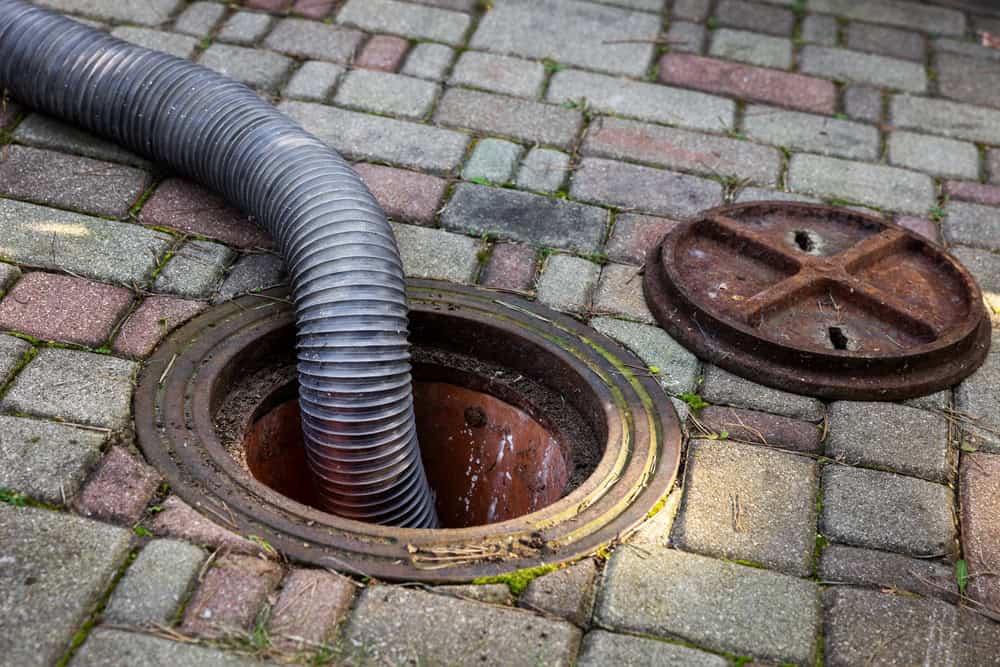
A septic tank inspection zeroes in on the tank itself—the concrete, fiberglass, or plastic container buried in your yard that holds wastewater from your home. The inspector locates the tank, opens the access lid, and evaluates what’s happening inside that specific component.
They’re checking structural integrity. Cracks in concrete tanks, deteriorating baffles, and separation between tank sections all show up during this focused evaluation. The inspector measures sludge and scum levels to determine if the tank needs pumping and whether it’s been maintained properly over the years.
Water levels matter too. If the liquid sits too high or too low, that signals problems either with the tank itself or downstream components. But here’s what a tank-only inspection doesn’t cover: your drainfield, distribution box, or the pipes connecting everything together. It’s a snapshot of one component, not the complete picture of how wastewater moves through your property.

When a Tank-Only Inspection Makes Sense
Tank inspections work for routine maintenance when you’re not buying, selling, or dealing with lender requirements. If you’re scheduling your regular pumping and want to confirm the tank’s condition while it’s open, a tank inspection gives you useful information without the cost of evaluating components that aren’t showing problems.
Nassau County property owners dealing with the five-year inspection cycle sometimes opt for tank inspections between full system evaluations. You’re staying proactive about maintenance without paying for a comprehensive inspection every single time. This approach catches tank-specific issues early—before they turn into emergency repairs that cost three to four times more than scheduled service.
But there’s a limit to what tank inspections accomplish. They won’t tell you if your drainfield is failing, if your distribution box has tilted and now sends all wastewater to one section of your leach field, or if tree roots have infiltrated your outlet pipes. Those problems stay hidden until you either experience system failure or schedule a full system inspection that actually looks at how all the components work together.
For homeowners just monitoring an aging system, tank inspections provide a cost-effective checkpoint. You’re spending a few hundred dollars to confirm the tank hasn’t developed structural problems and to track sludge accumulation rates. That information helps you plan for future pumping and gives you early warning if the tank is deteriorating faster than expected for its age and material type.
What Tank Inspections Miss
Your drainfield—also called a leach field or absorption area—handles the actual treatment of wastewater after it leaves the tank. This is where treated effluent filters into the soil, and it’s often the first component to fail on Long Island properties. Tank inspections don’t evaluate drainfield condition at all. Standing water, soggy soil, foul odors, or overly lush grass above the drainfield all indicate problems that a tank-only inspection won’t catch.
Distribution boxes control how wastewater flows from your tank into the various drainfield lines. When these boxes tilt, crack, or develop damaged outlets, some sections of your drainfield get overloaded while others sit unused. The result is premature drainfield failure that costs ten to twenty-five thousand dollars to replace. Tank inspections don’t open or evaluate distribution boxes, so these issues remain invisible until they cause system-wide problems.
The pipes connecting your home to the tank, and the tank to the drainfield, deteriorate over time. Clay pipes crack, cast iron corrodes, and plastic pipes can be crushed by soil settling or tree roots. Blockages, bellies where pipes sag and collect solids, and root intrusion all affect system performance. Tank inspections focus on the tank itself, not the network of pipes that move wastewater through your system.
Long Island’s sandy soil, high water tables, and mature trees create specific challenges that affect drainfield performance and pipe integrity. Nassau County properties built decades ago often have outdated pipe materials and drainfield designs that don’t meet current standards. A tank inspection tells you nothing about these components, leaving you vulnerable to expensive surprises that show up only when the system fails or when you attempt to sell the property and buyers demand comprehensive documentation.
Want live answers?
Connect with a EZ Cesspool Long Island expert for fast, friendly support.
Full Septic System Inspection Explained
A complete septic system inspection evaluates every component from your home’s plumbing all the way to the soil absorption area. The inspector examines how wastewater moves through the entire system, identifies problems at any point in that process, and documents whether your system meets current Nassau County requirements and local health codes.
This comprehensive approach starts inside your home. The inspector runs water through sinks, showers, and toilets to test flow rates and drainage. They’re watching how quickly water moves through your plumbing and whether any fixtures show signs of backup or slow drainage that indicate downstream problems.
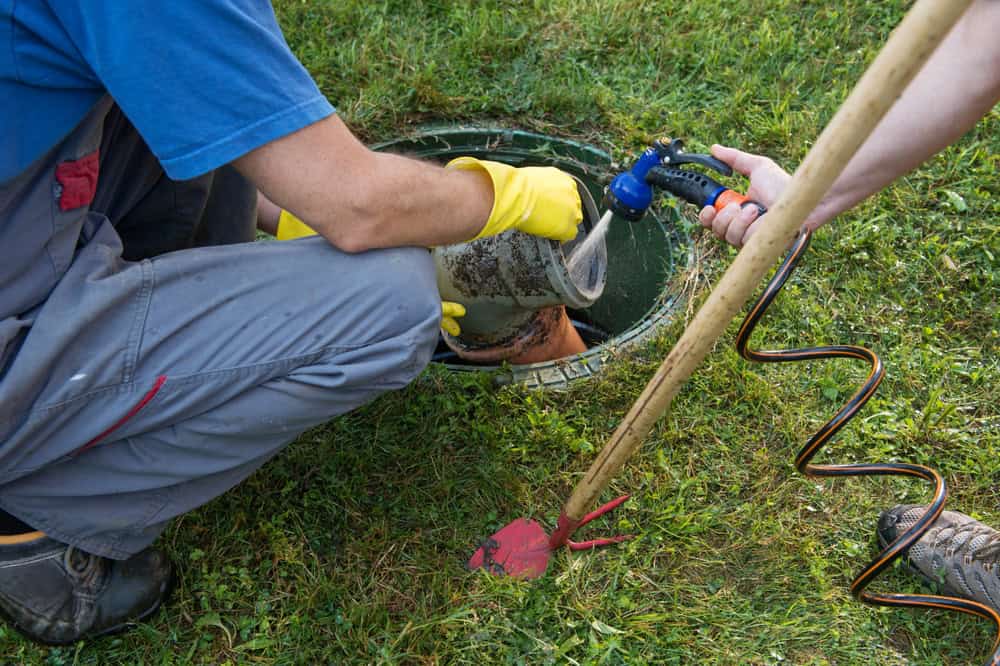
Outside, they locate and evaluate every system component. The tank gets pumped and inspected for structural integrity, proper baffles, and adequate capacity for your home’s bedroom count. The distribution box is opened to check for level installation, undamaged outlets, and equal flow to all drainfield lines. The drainfield itself is walked and visually inspected for standing water, odors, and vegetation patterns that reveal absorption problems.
Septic System Inspection Cost in Nassau County
Full system inspections in Nassau County typically run between three hundred and six hundred fifty dollars, depending on system complexity, accessibility, and whether pumping is included. That’s substantially more than a basic tank inspection, but you’re getting documentation of your entire wastewater treatment system, not just one component.
Real estate transactions usually require the comprehensive approach. Mortgage lenders—especially FHA and VA loans—demand proof that the complete system functions properly and meets local health department standards. A tank-only inspection won’t satisfy these requirements. You’ll end up paying for a second inspection anyway, plus you’ve delayed your closing and potentially jeopardized your transaction.
The cost includes several services bundled together. Tank pumping is almost always part of a full inspection because inspectors can’t properly evaluate tank condition, check for leaks, or examine baffles when the tank is full of wastewater. Dye testing or flow testing verifies that water moves correctly through the system. Documentation and reporting that meets Nassau County’s specific requirements and lender expectations adds value you can’t get from informal evaluations.
Property sales in Nassau County create time pressure that makes cost considerations secondary to getting the right inspection the first time. You have thirty days before closing to complete required inspections and address any identified problems. Choosing a cheaper tank inspection that doesn’t meet buyer or lender requirements means starting over with a full system inspection, losing time you don’t have, and potentially facing penalties if you can’t close on schedule because of inspection delays.
When Full System Inspections Are Required
Nassau County requires full system inspections every five years for all properties with septic systems. This isn’t optional or suggested—it’s a county regulation with fines ranging from two hundred fifty to two thousand dollars for non-compliance. The inspection must be performed by a licensed professional, and documentation must be submitted to the county showing your system’s condition and compliance with current environmental standards.
Property transfers trigger mandatory full system inspections regardless of when your last inspection occurred. Buyers need documentation that the system functions properly and meets code requirements. Their lenders—particularly FHA and VA loans—require comprehensive inspections before approving mortgages. Conventional loans don’t always mandate inspections, but buyers almost universally request them as part of due diligence, and sellers who refuse often lose deals to properties with complete documentation.
Major home renovations that add bedrooms or significantly increase living space require septic system evaluation to confirm the existing system can handle increased wastewater flow. Adding a bedroom means your system must meet capacity requirements for the new bedroom count. Nassau County won’t issue building permits for these changes without proof your septic system is adequate, which requires a full inspection and potentially a system upgrade.
System failures or problems identified during routine maintenance often necessitate comprehensive inspections to diagnose the root cause. Slow drains, sewage odors, wet spots in your yard, or backup into your home all indicate problems somewhere in your system. Tank-only inspections won’t identify drainfield failures, pipe blockages, or distribution box issues that cause these symptoms. You need the complete evaluation to understand what’s failing and what repairs will actually solve the problem instead of just addressing symptoms.
How to Choose the Right Inspection for Your Situation
Start with your immediate need. If you’re buying or selling property, you need a full system inspection—period. There’s no scenario where a tank-only inspection satisfies lender requirements, meets Nassau County’s property transfer regulations, or gives buyers the documentation they’re entitled to expect. Trying to save a few hundred dollars on a cheaper inspection just delays your transaction and costs more when you inevitably schedule the comprehensive evaluation you should have ordered initially.
Routine maintenance between required inspections can use tank-focused evaluations if your system isn’t showing problems and you’re not facing regulatory deadlines. You’re monitoring tank condition, tracking sludge accumulation, and catching structural issues before they worsen. This approach makes sense for homeowners who stay on top of maintenance and want cost-effective monitoring without paying for full system inspections more frequently than Nassau County requires.
Anytime you’re experiencing system problems—slow drains, odors, wet spots, or backup—you need the full system inspection. Symptoms rarely point to a single component, and tank inspections won’t identify the drainfield failures, pipe blockages, or distribution problems that cause most septic issues Long Island homeowners face. Comprehensive evaluation diagnoses the actual problem so repairs address root causes instead of wasting money on fixes that don’t solve anything.
Time-sensitive situations demand same-day service from contractors who understand Nassau County’s specific requirements and can provide documentation that satisfies lenders, buyers, and county officials. We have over twenty years of experience with Long Island’s unique septic challenges, offer transparent pricing with no hidden fees, and provide same-day inspections when real estate transactions or emergency situations require immediate response. Our licensed professionals know exactly what Nassau County requires, what mortgage lenders accept, and how to document system condition in ways that protect your investment and keep transactions moving forward.