Summary:
Your drains are running slow. There’s an odd smell near the yard. You know something’s off, but here’s the real question—do you even know if you have a cesspool or a septic tank? Most Long Island homeowners don’t, and that confusion leads to wrong service calls, wasted money, and avoidable emergencies. These systems aren’t the same. They handle waste differently, break down differently, and need completely different care. Understanding which one sits under your property is the first step to keeping it working and avoiding the kind of backup that ruins your week.
What's the Actual Difference Between Cesspools and Septic Tanks
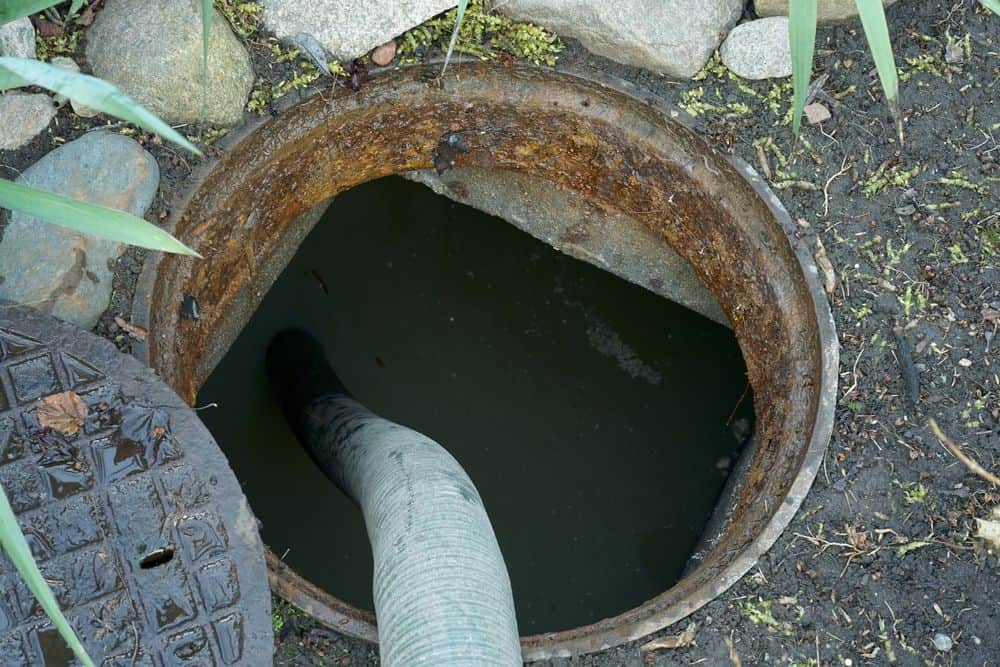
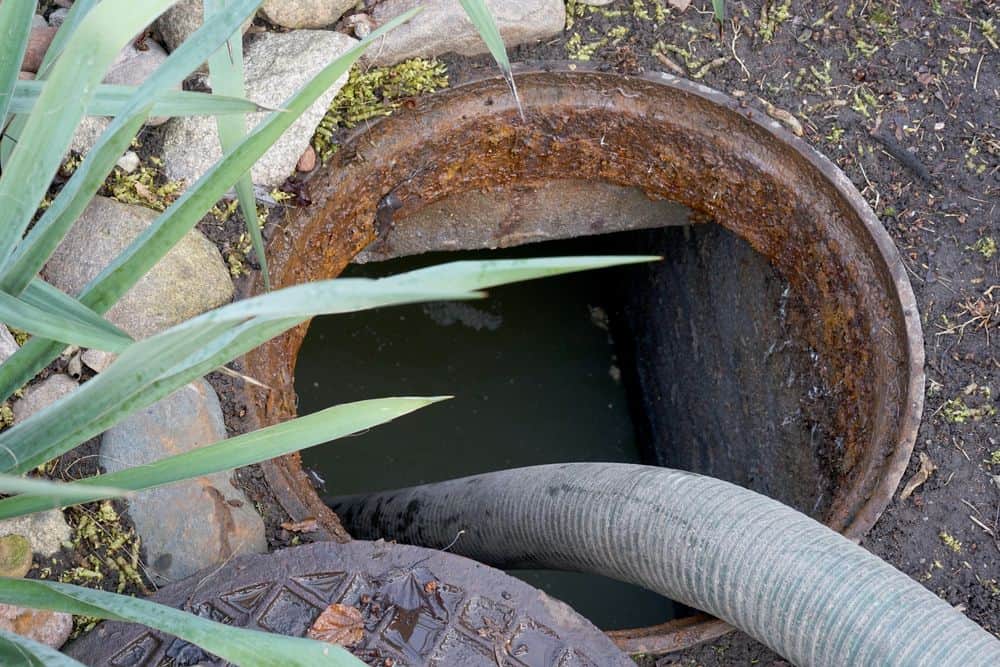
A cesspool is basically a big pit lined with concrete or brick that collects everything from your drains. Solids sink to the bottom. Liquids seep out through holes in the walls into the soil around it. That’s it. No filtering, no treatment, just temporary storage and slow drainage.
A septic tank works differently. It’s a sealed container where waste separates into layers—sludge at the bottom, scum on top, and partially treated liquid in the middle. That liquid flows out to a drain field where soil bacteria break down contaminants before anything reaches groundwater.
The big difference? Cesspools dump untreated waste straight into your soil. Septic tanks actually process it first. That’s why Long Island regulations have been phasing out cesspools since 2019—they contaminate groundwater, and on an island that depends entirely on underground aquifers for drinking water, that’s a real problem.
How Cesspool Pumping Works and Why You Need It More Often
When you flush a toilet or run water down any drain, it all flows into your cesspool. Solid waste drops to the bottom and piles up as sludge. Grease floats to the top. The liquid is supposed to seep through perforated walls into the surrounding soil.
But here’s what actually happens. That sludge layer grows thicker every month. Eventually it blocks the pores in the cesspool walls. Once those holes clog, liquid has nowhere to drain. Your cesspool fills faster than it empties, and that’s when you start seeing slow drains, bad smells, and eventually sewage backing up into your house.
Long Island’s soil makes this happen faster than you’d think. Sandy soil drains quickly at first, but it doesn’t slow down the sludge buildup. Clay soil already drains slowly, so your cesspool hits capacity even faster during rainy weather or if your water table is high. Either way, cesspool pumping is the only thing that resets the system and buys you more time.
Most Long Island cesspools need pumping every two to three years. If you have an older system without a septic tank—just a straight cesspool—you’re looking at annual service or even more frequently depending on household size. Skip that schedule and you’re not saving money. You’re just postponing an expensive emergency.
Routine cesspool pumping costs $200 to $500 for most homes. Emergency calls on weekends or nights? Double or triple that, plus you’re dealing with sewage in your basement, contaminated soil in your yard, and the kind of cleanup that requires professionals. Scheduled cesspool services always cost less than emergencies, and they don’t come with the health risks or property damage.
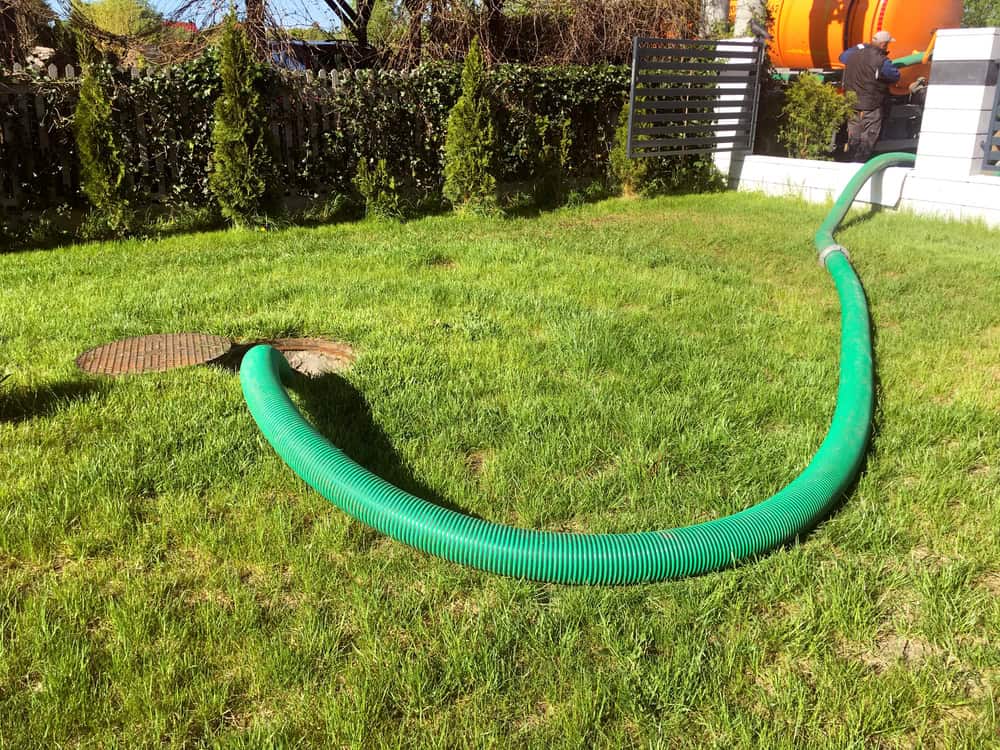
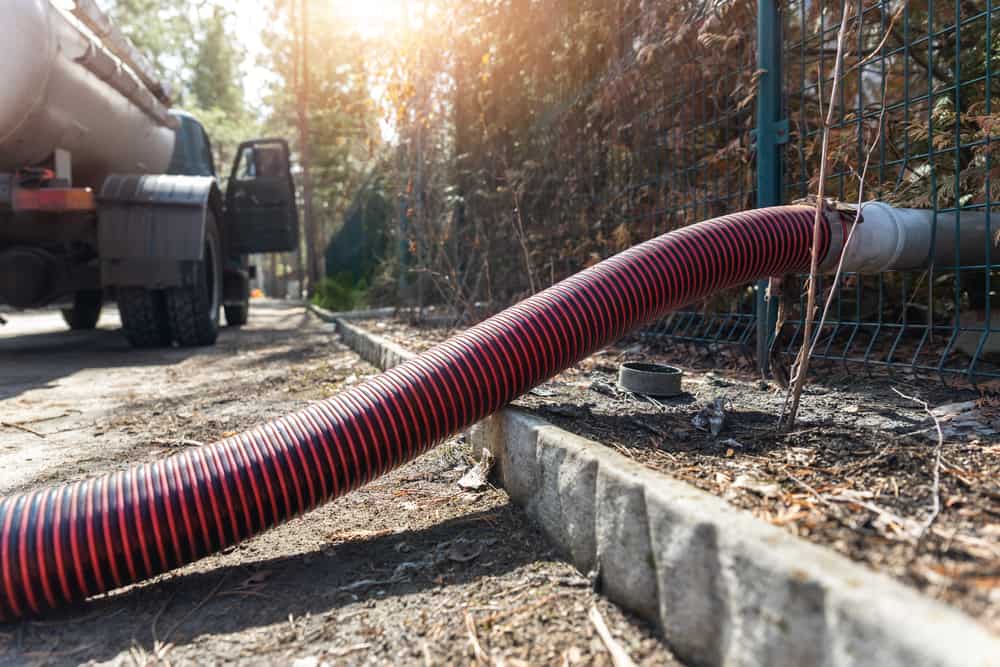
The process itself is straightforward. A pump truck arrives, locates your cesspool access point, and uses a vacuum system to remove all the sludge and liquid. The waste goes to a treatment facility for proper disposal. The whole job usually takes an hour or two, and you’re back to normal drainage immediately. That’s preventive maintenance. It’s not exciting, but it works.
How Septic Tank Pumping Protects Your Drain Field and Extends System Life
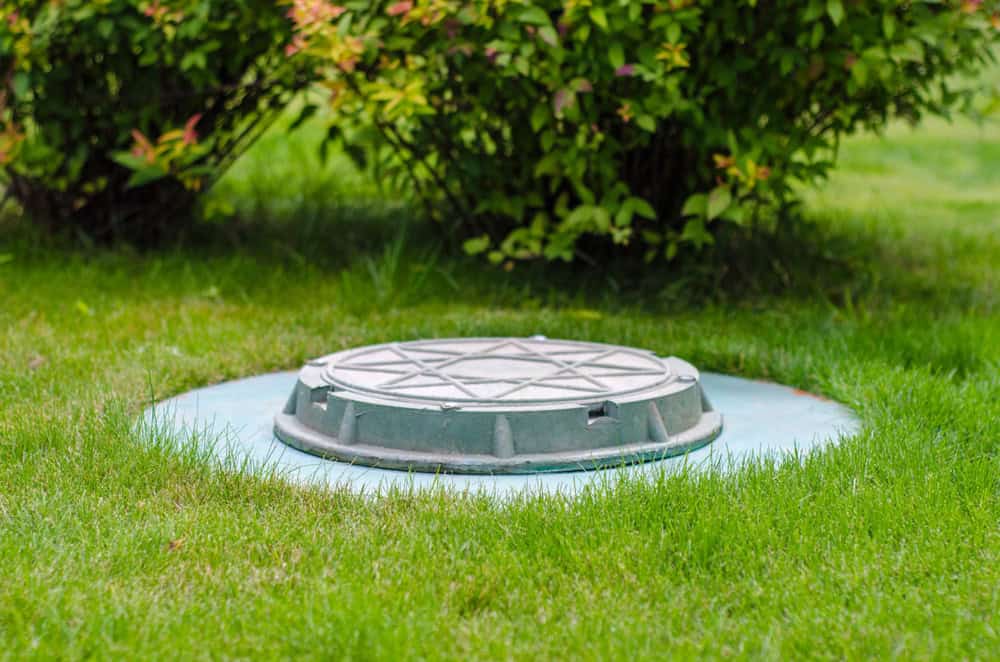
Septic tanks are sealed containers, usually concrete or fiberglass, designed to separate and treat wastewater before it leaves your property. When waste enters the tank, gravity does most of the work. Heavy solids settle at the bottom as sludge. Grease and lightweight stuff floats up as scum. The middle layer—partially treated liquid called effluent—flows out through an outlet pipe.
That effluent goes to your drain field, which is a network of perforated pipes buried in gravel trenches. As the liquid disperses through the soil, bacteria naturally filter out contaminants. By the time it reaches groundwater, it’s been treated twice—once in the tank, once in the soil. That’s why septic systems are safer for the environment than cesspools.
But none of that works if your tank is full of sludge. When the sludge layer gets too thick, it starts flowing out with the effluent. Those solids clog your drain field pipes and create a biomat—a layer of gunk that blocks water from soaking into the soil. Once your drain field clogs, wastewater backs up into your house because it has nowhere else to go.
Septic tank pumping removes the sludge and scum before they cause that problem. We measure the layers inside your tank to see how full it is, then pump out everything except a small amount of liquid to keep the bacterial process going. For most Long Island homes, that needs to happen every three to five years depending on how many people live there and how much water you use.
A family of four with a 1,000-gallon septic tank should plan on pumping every two to three years. Smaller households can stretch it to four or five years, but never longer. The rule is simple: when sludge and scum take up more than 30% of your tank’s volume, it’s time to pump. Wait longer and you risk drain field damage, which costs $8,000 to $15,000 to repair or replace.
Regular septic tank pumping isn’t optional maintenance. It’s the only way to protect your drain field and avoid system failure. Long Island’s high water table and sandy soil mean drain fields are already working harder than in other areas. Don’t make them handle solids they were never designed to process. Pump your tank on schedule and your system will last decades. Skip it and you’ll be replacing the whole setup in half that time.
Want live answers?
Connect with a EZ Cesspool Long Island expert for fast, friendly support.
How to Know Which System You Have and What Service You Actually Need
If you’re not sure whether you have a cesspool or septic tank, start with your property records. Homes built before 1973 in Long Island typically have cesspools. After that, building codes required septic tanks with drain fields for new construction. Check your original permits, previous inspection reports, or ask the previous owner if the information is available.
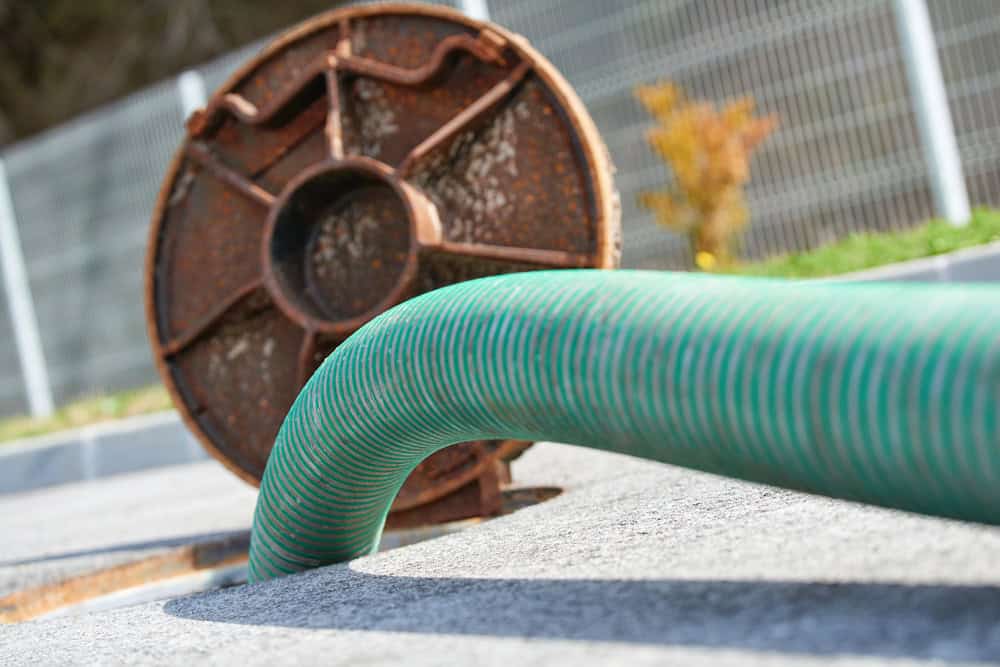
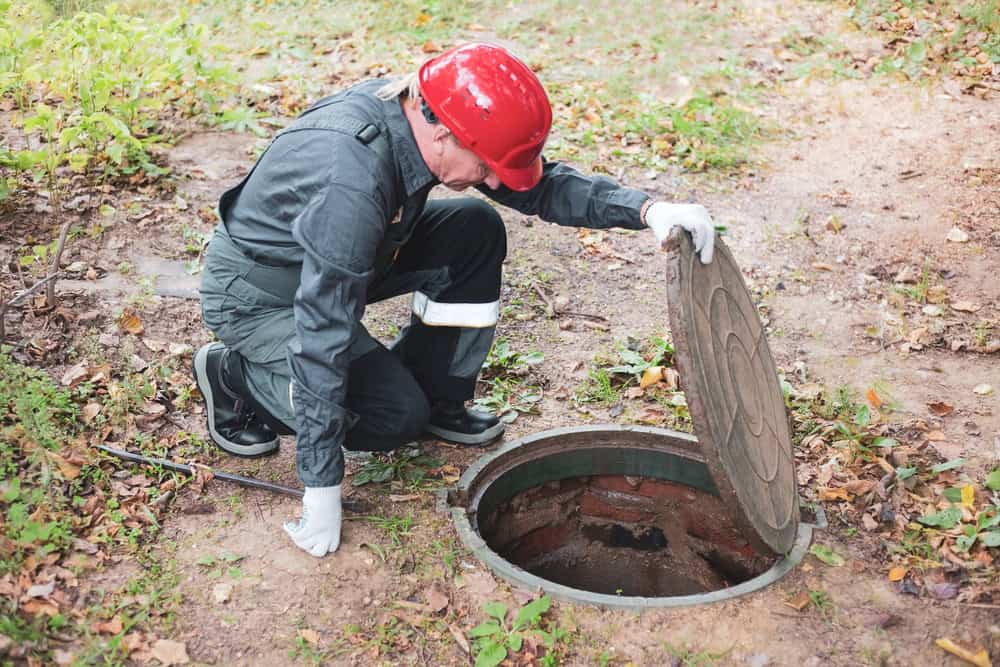
No records? We can locate and inspect your system. The quickest visual clue is the number of access lids. Cesspools usually have one. Septic systems have at least two—one for the tank and one for the distribution box. Once you know what you have, you know what kind of pumping schedule to follow and which warning signs to watch for.
Warning Signs That Mean Your Cesspool or Septic Tank Needs Pumping Right Now
Slow drains are usually the first signal something’s wrong. One slow sink could be a clog in that pipe. Multiple slow drains throughout your house—kitchen, bathroom, laundry—that’s your cesspool or septic tank telling you it’s full. The wastewater has nowhere to go, so everything backs up gradually until you’re dealing with standing water in sinks and tubs.
Foul odors come next. If you smell sewage inside your home, gases are backing up through your plumbing because the system can’t vent properly. If you smell it outside near your yard, wastewater is surfacing or your cesspool is overflowing. Either way, that smell is a health warning, not just an inconvenience. Sewer gases contain methane and hydrogen sulfide, which are harmful in high concentrations.
Gurgling sounds from toilets or drains mean air is trapped in your system. When your cesspool or septic tank fills up, air displacement creates those noises as water tries to flow through. This isn’t normal. It’s your system struggling to handle the load, and it usually happens right before a full backup.
Soggy areas in your yard, especially near your cesspool or drain field, indicate overflow or leakage. If one spot in your lawn is unusually green or lush compared to the rest, that’s sewage fertilizing the grass. Pooling water or wet soil means your system can’t absorb any more liquid. Kids and pets playing in those areas face exposure to dangerous bacteria and parasites.
Sewage backups are the final stage. If wastewater is coming up through floor drains, toilets, or sinks, your system has completely failed. At that point you’re past routine cesspool pumping or septic tank pumping and into emergency cleanup territory. The mess alone can cost thousands to remediate properly, not counting the repairs your system needs to function again.
Long Island’s high water table makes these problems more serious than they seem. When your cesspool or septic tank is full and the water table is high, there’s less space for wastewater to drain. It surfaces faster, creates health hazards faster, and requires professional intervention faster. Don’t wait for backups to schedule service. Early warning signs exist for a reason—they give you time to act before you’re dealing with a crisis.
Cesspool and Septic Tank Pumping Frequency for Long Island Homes
Pumping frequency depends on your system type, how many people live in your home, and how much water you use daily. For cesspool pumping, the standard recommendation is every two to three years for most Long Island households. If you have an older cesspool-only system without a septic tank, you’re looking at annual service or possibly more often if you have a large family or high water usage.
Septic tank pumping typically happens every three to five years. A household of four with a 1,000-gallon tank should plan on service every two to three years. Smaller households—one or two people—can stretch it to four or five years, but never go longer than that. The sludge layer should never exceed 30% of your tank’s total capacity, or you risk clogging your drain field and causing expensive damage.
Commercial properties follow completely different schedules. Restaurants, offices, and other businesses often need cesspool services or septic tank services every 30 to 120 days depending on usage volume. A busy restaurant might require monthly pumping. A small office could go quarterly. The key is establishing a schedule based on actual usage patterns, not guessing and hoping for the best.
Long Island’s unique soil conditions and water table also affect timing. If your property has sandy soil, water drains quickly but solids accumulate just as fast. Clay soil slows drainage, so your system reaches capacity faster during wet seasons. Homes near the water or in low-lying areas face additional challenges when the water table rises after heavy rain or snowmelt.
Don’t wait for obvious problems to schedule cesspool pumping or septic tank pumping. By the time you notice major issues like backups or odors, you’re often looking at emergency repairs instead of routine maintenance. The most reliable approach combines professional assessment with your household’s actual usage. During pumping, we measure sludge levels and determine your optimal schedule. That customized timeline prevents problems instead of just reacting to them.
Preventive cesspool services cost $300 to $500 annually for most Long Island homes. Complete cesspool replacement runs $8,000 to $15,000. Septic system replacement can hit $19,000 to $30,000. Regular maintenance isn’t an expense—it’s the cheapest protection you can buy against catastrophic system failure.
Getting the Right Cesspool or Septic Tank Service for Your Long Island Property
Knowing whether you need cesspool pumping or septic tank pumping isn’t just about understanding the difference between two systems. It’s about protecting your home, your family’s health, and Long Island’s drinking water supply. These systems work differently, fail differently, and require different maintenance schedules. Treating them the same way leads to expensive mistakes and avoidable emergencies.
If you’re still not sure which system you have or when it was last serviced, now’s the time to find out. Check your property records, schedule a professional inspection, and get on a maintenance plan that actually matches your system’s needs. Long Island’s high water table, unique soil conditions, and strict environmental regulations make local expertise essential—not optional.
When you need reliable cesspool services or septic tank services that understand Long Island’s specific challenges, we bring over 20 years of local experience to every job. Transparent pricing with no hidden fees, same-day and emergency service when you need it, and certified professionals who complete the work right the first time.