Summary:
Your neighbor pumps their septic tank every five years. Your system backs up after three. What gives?
Location matters more than you think. Nassau County’s clay-heavy soil behaves differently than the sandy conditions found in other parts of Long Island. That difference determines how often you need service, what problems develop, and how much you’ll spend fixing them.
This isn’t about complicated science or expensive upgrades. It’s about understanding what your specific system needs based on where you live, how you use it, and what actually prevents the backups and failures that cost thousands to fix.
Let’s start with why your maintenance schedule shouldn’t look like anyone else’s.
How Nassau County Soil Affects Your Septic Tank Care
The ground under your property determines almost everything about how your septic system performs. Nassau County sits on clay-heavy soil that retains water longer than the sandy conditions found in coastal Long Island areas.
Clay doesn’t drain quickly. After heavy rain, your system struggles to release wastewater into surrounding soil. That creates backups, slow drains, and that waterlogged feeling in your yard that won’t go away.
Most maintenance advice assumes average soil conditions. But there’s nothing average about Nassau County clay. Your system works harder, fills faster, and needs attention more frequently than generic guidelines suggest.
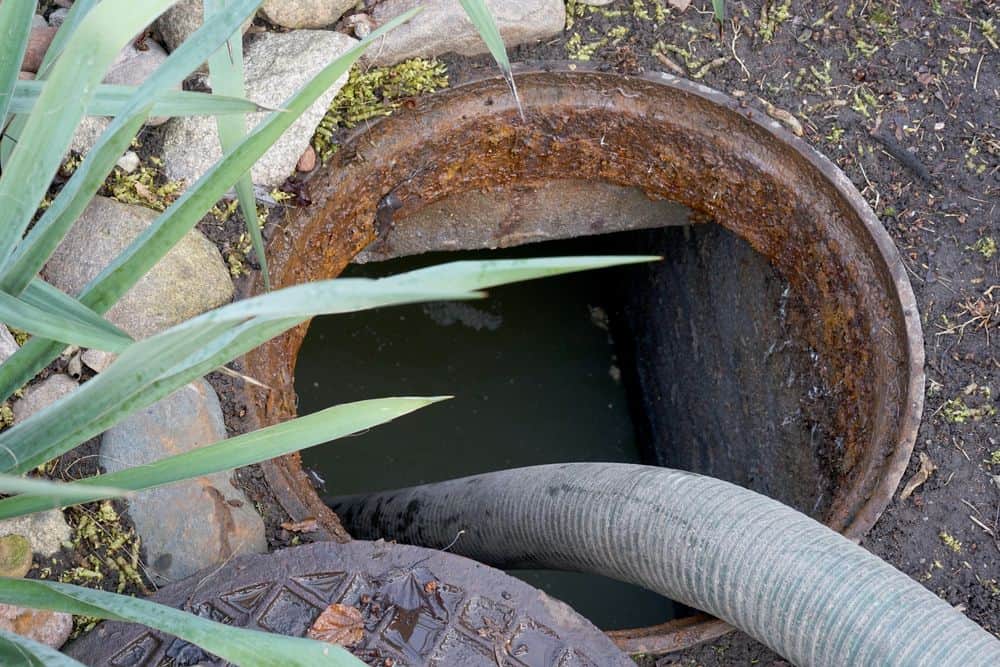
Why Maintaining Septic Tank Systems Costs Less in Clay Soil Areas
Here’s the part most homeowners miss. Clay soil actually makes routine maintenance more important, but it also makes the consequences of skipping it more expensive.
When solids build up in your tank, they eventually overflow into your drain field. In sandy soil, that damage happens gradually. In clay soil, it happens fast because your system already struggles with drainage.
A four-person household in Nassau County typically needs pumping every three years instead of the five-year intervals recommended elsewhere. Couples might stretch to four years. Homes with garbage disposals, water softeners, or frequent laundry loads need service even more often.
The cost difference is significant. Routine pumping runs $300 to $500. Emergency service costs 40 to 60 percent more. That $400 maintenance call becomes a $640 to $800 emergency when you wait too long.
But emergency fees are just the beginning. When solids reach your drain field, you’re looking at $15,000 or more for replacement. Clay soil doesn’t forgive procrastination the way sandy soil might.
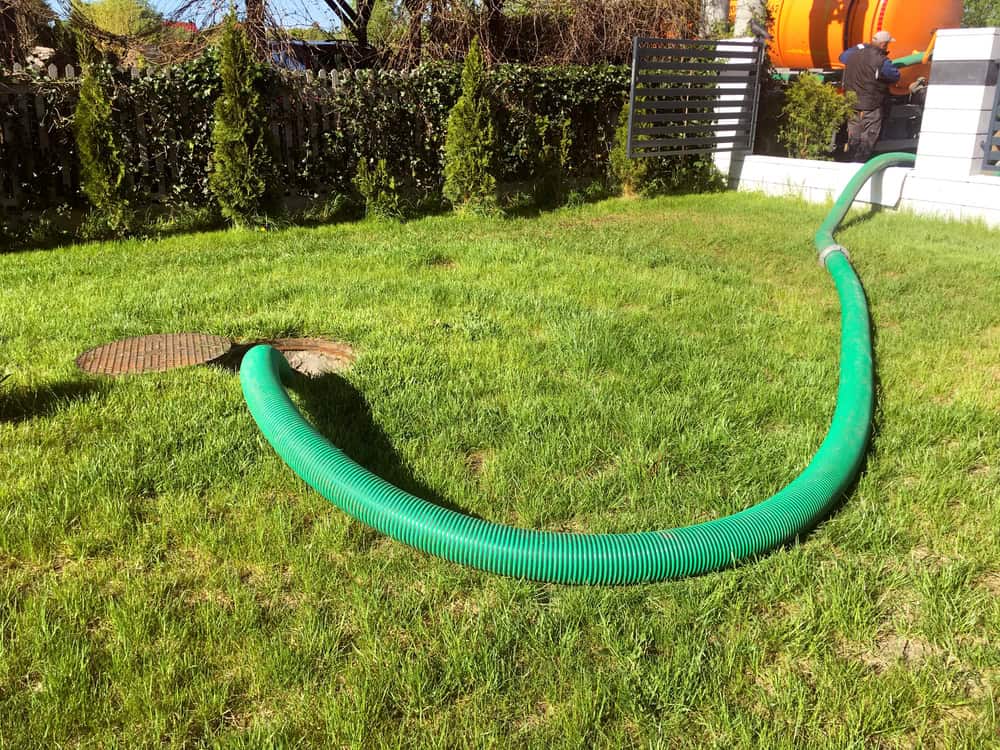
Your pumping schedule should reflect your soil reality, not generic recommendations. A local service provider who understands Nassau County conditions can measure sludge depth during each visit and establish your property’s optimal schedule. That prevents both unnecessary service calls and the costly damage that comes from waiting too long.
What Long Island's High Water Table Means for Septic System Maintenance
Long Island’s high water table puts constant hydraulic pressure on your septic system. During wet seasons, groundwater rises and affects how your drain field accepts effluent.
This creates problems most homeowners don’t see coming. Your system might function adequately during dry periods, then suddenly struggle after heavy rain. That’s not a malfunction. It’s your drain field saturating because the water table has risen.
Coastal areas face additional challenges during storms and high tides. Many septic systems can fail simultaneously when rain or storm surges submerge systems and elevate water tables. Understanding these seasonal risks helps you recognize when your system might need extra attention.
The practical impact shows up in your maintenance timing. Spring and fall bring heavy rain that saturates clay soil. If your tank is due for pumping, schedule it before wet season starts. An empty tank has more capacity to handle the stress of reduced drain field efficiency during high water table periods.
Your drain field also needs protection from surface water. Keep roof drains, sump pumps, and other rainwater drainage systems away from your drain field area. Excess water slows down or stops the wastewater treatment process.
Even small adjustments to soil grading can prevent pooling around your tank and drain field. Pay attention to areas where water naturally collects during storms. These spots need drainage solutions or regrading to protect your system from the combination of clay soil and high water tables that makes Long Island systems work harder than systems elsewhere.
Want live answers?
Connect with a EZ Cesspool Long Island expert for fast, friendly support.
Essential Septic System Maintenance Tasks That Prevent Failures
Septic system maintenance breaks down into four core elements that actually matter. Inspect and pump frequently. Use water efficiently. Properly dispose of waste. Maintain your drain field.
Everything else is secondary. These four practices prevent the majority of expensive septic emergencies homeowners face. The average household septic system should be inspected at least every three years by a septic service professional. Household septic tanks are typically pumped every three to five years.
Alternative systems with electrical float switches, pumps, or mechanical components should be inspected more often, generally once a year. A service contract is important since alternative systems have mechanized parts.
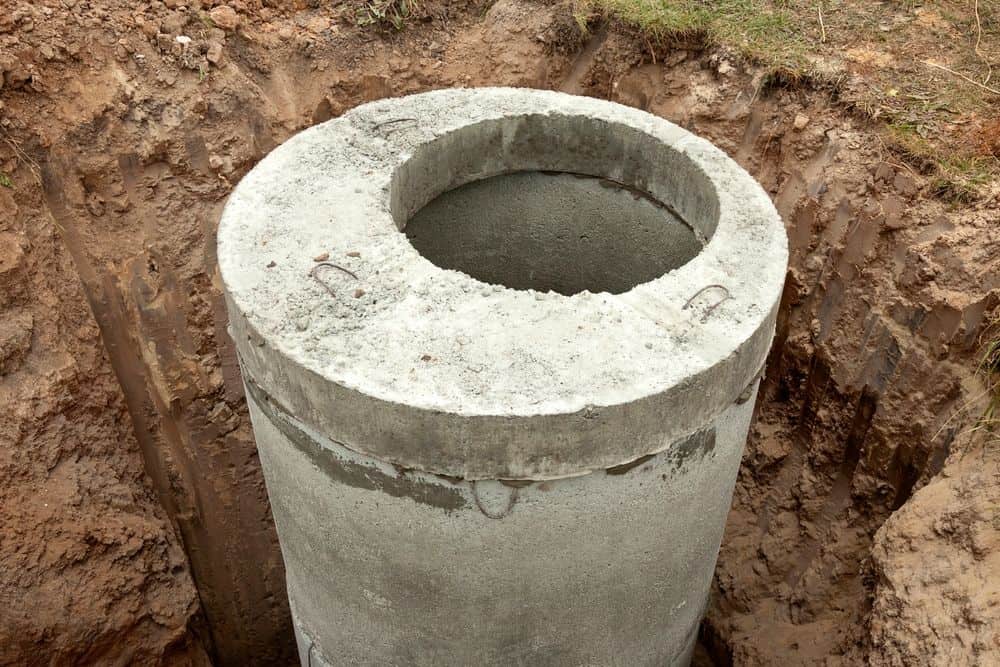
How Often Should You Pump Your Septic Tank in Nassau County
The timing question matters more than most homeowners realize. Pump too early and you waste money. Wait too long and you risk drain field damage that costs thousands to repair.
Four factors determine your specific pumping schedule. Household size matters because more people create more waste. A family of six might need pumping every two to three years. A retired couple could stretch to five years.
Total wastewater generated affects timing significantly. If you put a lot of water down the drain from inefficient or leaky toilets, washers, showerheads, and sink faucets, the tank can’t settle completely and you may need to pump more often.
Volume of solids in wastewater speeds up the filling process. Garbage disposal and food waste going down the drain, and RV and boat waste dumped into your system, will fill the tank up quicker with solids.
Septic tank size provides the final variable. The bigger the tank, the more capacity it has to handle solids and water, which could allow for more time between pumpings. Older septic tanks might not be sized appropriately for your home, especially if your home has been remodeled and is now larger.
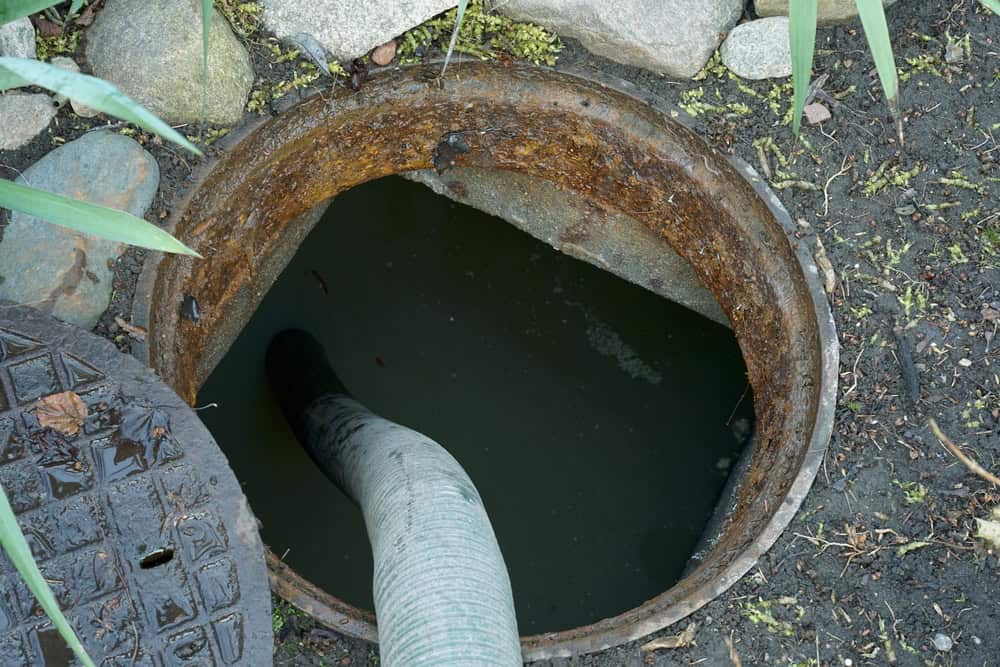
Your tank should be pumped if the bottom of the scum layer is within six inches of the bottom of the outlet, if the top of the sludge layer is within 12 inches of the outlet, or if more than 25 percent of the liquid depth is sludge and scum.
Professional technicians measure these levels during inspections. They document sludge and scum layer thickness to track your system’s processing productivity over time. This data helps predict future service needs and identify developing problems before they cause backups.
Regular septic system maintenance fees of $250 to $500 every three to five years is a bargain compared to the cost of repairing or replacing a malfunctioning system, which can cost between $5,000 and $15,000 for a conventional system.
Warning Signs Your Septic System Needs Immediate Attention
Most septic emergencies show warning signs for months before they become crises. Homeowners just don’t know what they’re looking at.
Slow drains throughout your house signal that your septic tank is nearing capacity or your pipes have a blockage. This isn’t the occasional slow drain from a single fixture. It’s multiple drains performing poorly at the same time.
Foul odors near your drains, yard, or septic tank indicate your system is full or failing. Healthy, functioning septic systems emit little to no smell. Noxious odors mean gases are building up and not properly venting, often due to a clogged outlet, excess waste backup, or issues with the piping.
Standing water over your drain field, especially during dry periods, suggests your system is backing up or overflowing. When wastewater fails to properly filter into the soil, it creates wet areas above ground. This isn’t just disruptive to your property’s aesthetics. It poses potential health and environmental risks.
Unusually lush, green grass over your drain field might look healthy, but it’s actually a warning sign. This growth pattern indicates excess nutrients from untreated wastewater are reaching the soil surface, suggesting your drain field isn’t functioning properly and may need repair or replacement.
Gurgling sounds from your toilet or drain pipes after flushing or running water indicate sewage and wastewater are having trouble traveling out of the home properly. These sounds mean there’s a partial blockage somewhere in your plumbing or septic system.
The most urgent sign is sewage backing up into your home. This typically starts with foul water in your toilets, sinks, or bathtubs. Such backups happen when the septic tank is too full or there’s a severe blockage in your pipes.
If you notice two or more of these symptoms, schedule a professional inspection immediately. Catching failure early can save $20,000 or more in replacement costs. The key is acting fast when you recognize emergency warning signs. That protects your property and keeps repair costs manageable.
Protecting Your Investment Through Proper Septic Maintenance
Your septic system represents a significant investment in your property’s functionality and value. With proper maintenance and early problem detection, these systems can provide reliable service for decades while protecting Long Island’s precious water resources.
The difference between a system that fails in 15 years and one that lasts 30 or more comes down to consistent maintenance practices. Regular pumping, annual inspections, and attention to warning signs prevent the majority of expensive septic emergencies.
Nassau County’s unique conditions make proper maintenance even more critical than in other areas. Clay-heavy soil, high water tables, and strict environmental regulations mean what works for septic systems elsewhere might not be sufficient here.
If you’re ready to establish a maintenance schedule that actually works for your Nassau County property, we bring over 20 years of local expertise to every service call. Our team understands the soil conditions, seasonal challenges, and regulatory requirements that affect your system’s performance and longevity.