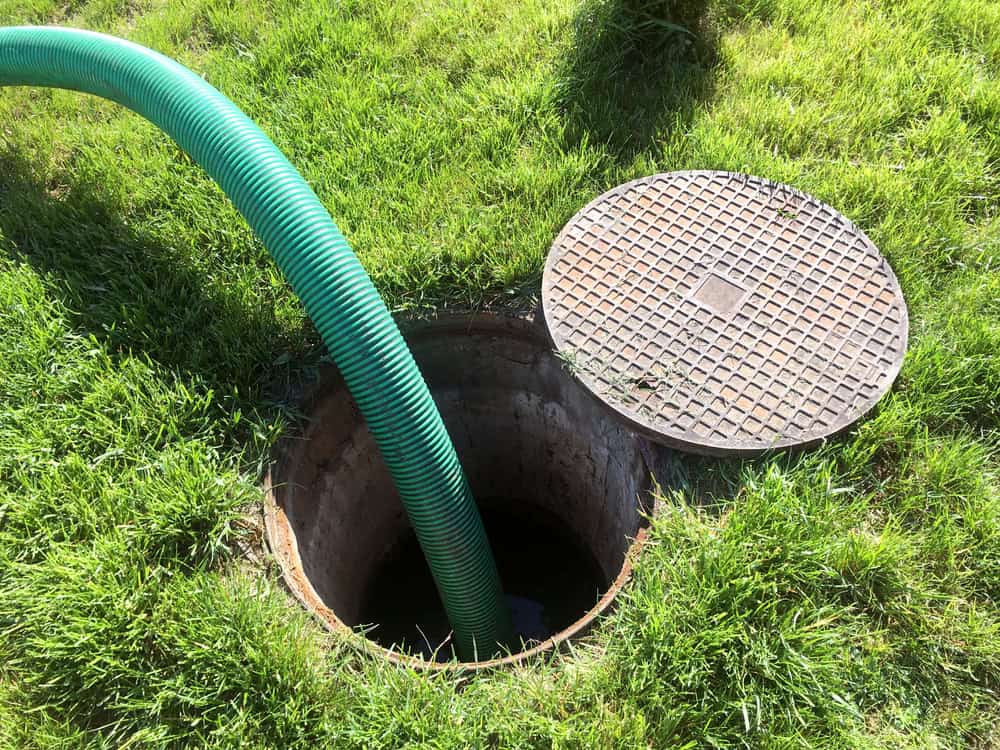
Summary:
Your septic system doesn’t care that it’s Thanksgiving weekend when it decides to back up. It doesn’t wait for a convenient time to fail, and it definitely doesn’t give you weeks to compare prices when sewage starts pooling in your basement.
Emergency septic service in Nassau County, NY costs anywhere from $1,200 to $2,400 for pumping alone—before you factor in cleanup, property damage, or the premium you’ll pay for after-hours service. Compare that to the $300-600 you’d spend on scheduled maintenance, and the math gets pretty clear.
The real septic tank maintenance cost isn’t just what you pay your service provider. It’s what you lose when you wait too long. Let’s break down what scheduled maintenance actually costs versus what happens when you skip it.
What Septic Tank Maintenance Actually Costs in Nassau County
Routine septic pumping for a standard 1,000-gallon tank runs between $300 and $600 in Nassau County. That price gets you a complete pump-out, basic inspection, and proper waste disposal at a licensed facility. Most Long Island homeowners need this service every three to five years, depending on household size and water usage.
Tank size affects your final bill more than almost anything else. A smaller 750-gallon system might cost $250-400, while a 2,000-gallon tank pushes toward $500-700. The work takes longer, requires more disposal capacity, and involves more labor—all of which show up in your invoice.
Accessibility matters too. If your tank lid sits right at ground level with clear access, you’ll pay standard rates. Buried lids that need excavation, tanks located under decks or landscaping, or systems requiring 100+ feet of hose add $50-200 to your cost. These aren’t arbitrary fees—they reflect the actual time and equipment needed to reach your system safely.

Septic Pumping Cost Breakdown by Tank Size
Understanding septic pumping rates starts with knowing your tank capacity. Most Nassau County homes built in the last 40 years have 1,000 to 1,500-gallon systems, which represent the middle range for pricing.
A 1,000-gallon tank typically costs $300-500 to pump. This is the most common residential size, designed for a three-bedroom home with moderate water usage. If you’re a family of four, you’re probably looking at service every 2-3 years at this price point.
Moving up to a 1,500-gallon system, you’re looking at $400-600 for routine pumping. Larger families or homes with higher water usage benefit from this extra capacity, and while the upfront pumping cost is higher, you might stretch your service intervals to 4-5 years if usage stays reasonable.
The 2,000-gallon range hits $500-750 for pumping. These larger systems serve bigger homes or properties with multiple bathrooms and heavy usage. The cost reflects not just the volume being pumped but the time required to fully empty and inspect a system this size.
What really drives septic pumping rates isn’t just gallons, though. It’s the condition of your system when service happens. A well-maintained tank that gets pumped on schedule costs less to service than one that’s been neglected for years. Excessive sludge buildup requires more time, potentially additional cleaning beyond basic pumping, and in some cases, specialized equipment to break up compacted solids.
Long Island’s soil conditions add another variable. Nassau County has areas with clay-heavy soil that retains water longer, meaning your system works harder and may fill faster than systems in sandy areas. This doesn’t necessarily change the per-visit cost, but it might mean you need more frequent service to prevent problems.
Timing affects pricing too, though not in the way you might expect. Scheduling during off-peak seasons—late fall or winter when demand drops—sometimes gets you better rates from companies trying to fill their calendars. Spring and summer, when everyone suddenly remembers their septic system exists, can push prices toward the higher end of quoted ranges simply due to demand.
Hidden Costs That Increase Your Septic Maintenance Bill
The quoted price for septic pumping doesn’t always tell the complete story. Several factors can push your final bill higher than the initial estimate, and knowing what they are helps you budget accurately.
Inspection fees sometimes get charged separately from pumping. A basic visual inspection during pumping is usually included, but if you need a detailed assessment of your system’s condition—checking for cracks, measuring sludge levels precisely, or evaluating drain field function—expect an additional $100-300. This becomes mandatory in Nassau County when you’re selling your home or applying for permits.
Repairs discovered during pumping add to your cost immediately. A broken baffle, damaged outlet pipe, or failing distribution box can’t wait for another day. These repairs run anywhere from $150 for minor fixes to $800+ for component replacements. The good news is catching them during routine maintenance prevents the much larger bills that come when these problems cause system failure.
Filter cleaning or replacement adds $50-150 to your service. Effluent filters protect your drain field from solids, but they need regular attention. If your system has one and it hasn’t been cleaned in years, this becomes non-negotiable work during pumping.
Travel fees appear on invoices when you’re located far from the service provider’s base. Most Nassau County companies don’t charge extra for local service, but if you’re on the far edges of their coverage area, a $50-100 trip charge might apply. This is one reason choosing a truly local company matters—you avoid these add-ons entirely.
Permit fees for certain work can surprise homeowners. If your pumping reveals damage requiring repairs that need county approval, you’re looking at $50-200 in permit costs. Nassau County requires permits for any work that involves excavation or system modifications, and your contractor can’t legally proceed without them.
Emergency service premiums represent the biggest hidden cost. When you call at midnight because sewage is backing up, you’re not paying standard septic pumping rates. After-hours, weekend, and holiday service carries surcharges of 50-100% over regular pricing. That $400 scheduled pumping becomes $800-1,000 for emergency response, and that’s before addressing whatever caused the emergency in the first place.
Want live answers?
Connect with a EZ Cesspool Long Island expert for fast, friendly support.
Emergency Septic Repair Costs vs Scheduled Maintenance
The difference between emergency and scheduled septic service isn’t just inconvenience—it’s hundreds or thousands of dollars. Emergency calls in Nassau County start at $800-1,200 for basic pumping, and that’s assuming the problem is simple overflow that just needs immediate attention.
When your system backs up at 3 AM on a Saturday, you’re paying for immediate availability, after-hours labor, and the premium that comes with urgency. Most companies charge 50-100% more for emergency response, and some add additional fees for weekend or holiday calls. You don’t have time to compare prices or wait for regular business hours when sewage is flooding your basement.
Emergency situations rarely involve just pumping, though. By the time you’re calling for help, there’s usually underlying damage that caused the failure. Blocked distribution lines need jetting or replacement. Failed baffles need immediate repair. Compacted sludge that’s been sitting for years requires specialized cleaning beyond standard pumping. Each of these services adds to your emergency bill.
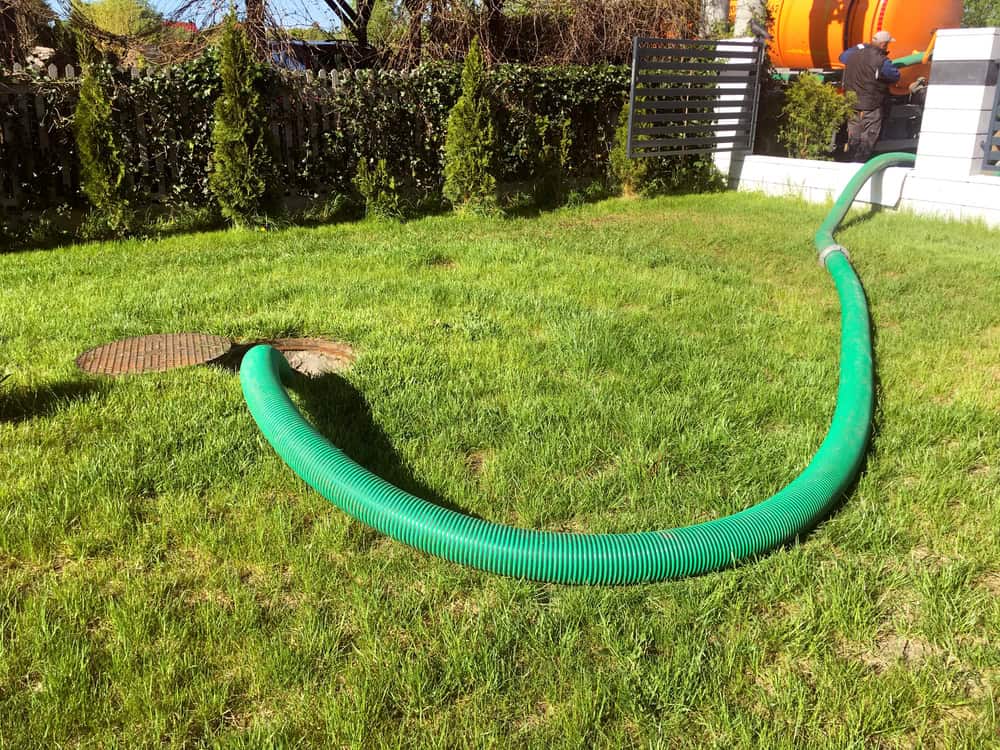
What Emergency Septic Service Actually Costs
Emergency pumping alone runs $800-1,500 in Nassau County, depending on time of day and system size. That’s just to get your tank emptied so you can use your plumbing again. It doesn’t address why the emergency happened or prevent it from recurring.
Sewage cleanup adds another layer of expense. If waste backed up into your home before you got help, professional cleanup runs $2,000-8,000 depending on contamination extent. This isn’t optional—raw sewage contains pathogens that make DIY cleanup dangerous and inadequate. Your insurance might cover some of this, but most policies classify septic failures as “maintenance-related” and deny claims.
System repairs discovered during emergency calls can’t wait. A collapsed distribution line, failed pump, or damaged tank requires immediate attention to restore function. These emergency repairs cost 30-60% more than the same work would cost if scheduled during regular hours. You’re paying for parts markup, rush service, and the leverage the situation gives the service provider.
Drain field damage represents the worst-case emergency scenario. When solids overflow into your leach field because you waited too long between pumpings, you’re looking at $5,000-15,000 for drain field replacement. This happens more often than you’d think in Nassau County, where clay soils and high water tables make systems particularly vulnerable to neglect.
The total cost of a septic emergency easily hits $3,000-8,000 when you factor in emergency pumping, cleanup, immediate repairs, and property damage. Compare that to the $300-600 you’d spend on scheduled maintenance every few years, and the financial argument for proactive service becomes overwhelming.
Time costs matter too, though they don’t show up on invoices. Emergency septic failures mean your family can’t use plumbing until service arrives. You’re looking at hotel costs if the backup is severe, time off work to deal with contractors, and the stress of managing a household crisis. Scheduled maintenance happens at your convenience, takes 2-3 hours, and doesn’t disrupt your life.
How Scheduled Maintenance Prevents Emergency Costs
Regular pumping every 3-5 years keeps your septic tank maintenance cost predictable and low. For a typical Nassau County household, that means spending $300-600 every few years versus risking $5,000-15,000 for system failure.
The math is straightforward. Over 30 years of homeownership, scheduled maintenance might cost $3,000-6,000 total. One major system failure costs more than that in a single event, and neglected systems often fail multiple times or require complete replacement.
Scheduled service catches problems early when they’re cheap to fix. A $200 baffle replacement during routine pumping prevents the $8,000 drain field replacement that happens when that baffle fails and allows solids to escape. A $150 filter cleaning prevents the backup that leads to $3,000 in emergency service and cleanup.
Early detection extends your system’s lifespan significantly. Well-maintained septic systems in Nassau County last 25-30 years or more. Neglected systems fail in 15-20 years, sometimes sooner if conditions are bad. The replacement cost for a complete system runs $10,000-25,000, and that doesn’t include the grants and programs available for scheduled replacements that aren’t available during emergency situations.
Compliance with Nassau County regulations becomes easier when you maintain records of regular service. The county requires septic inspections every five years, and having documentation of routine maintenance helps during property transfers, permit applications, and inspections. Missing these requirements leads to fines of $250-2,000, plus mandatory immediate compliance that often means emergency-priced service.
Property value protection matters more than most homeowners realize. When you sell your home in Nassau County, buyers will inspect your septic system. A well-maintained system with service records supports your asking price. A neglected system becomes a negotiating point that costs you thousands in reduced sale price or required repairs before closing.
The average cost to pump a septic tank every three years is $100-200 annually when you spread the expense over time. That’s less than most homeowners spend on lawn care or cable TV, and it protects an investment worth tens of thousands of dollars.
Making Smart Decisions About Septic Tank Maintenance Cost
The real question isn’t whether you can afford regular septic maintenance. It’s whether you can afford not to maintain your system. Emergency repairs cost three to four times more than scheduled service, and system failures can run into tens of thousands when you factor in replacement, cleanup, and property damage.
Nassau County’s unique conditions—clay soils in some areas, sandy soils in others, high water tables throughout, and strict environmental regulations—make regular maintenance more important here than in many other parts of the country. Your system works harder, faces more challenges, and requires more attention to perform reliably.
Scheduled pumping every 3-5 years, combined with periodic inspections, keeps your septic tank maintenance cost predictable and manageable. You know what you’ll spend, you control the timing, and you catch problems before they become emergencies. That’s not just smart financial planning—it’s protecting your home, your family’s health, and Long Island’s drinking water supply.
When you’re ready to schedule service or need help with an existing problem, we bring over 20 years of Nassau County expertise to every job. Transparent pricing, licensed professionals, and response times measured in minutes instead of hours mean you get the service you need without surprises or stress.