Summary:
Your drains are running slower than usual. There’s an odd smell in the yard that wasn’t there last week. Maybe you just bought a home in Long Island and have no idea when the septic system was last serviced. These aren’t small details you can ignore—they’re your system’s way of asking for help before a minor issue becomes a major disaster. Long Island’s unique soil conditions and environmental regulations mean your septic tank needs attention more often than you might think, and understanding what’s actually happening underground can save you thousands in emergency repairs. Here’s what you need to know about keeping your system running smoothly.
Understanding Septic Tank Services for Long Island Homes
Septic tank services cover everything from routine pumping and cleaning to inspections, repairs, and full system installations. For Long Island homeowners, these services aren’t optional maintenance—they’re essential protection for your property and your family’s health.
Most homes in Suffolk and Nassau Counties rely on private wastewater systems because large portions of Long Island aren’t connected to municipal sewer lines. Your septic system processes thousands of gallons of wastewater every month from showers, toilets, sinks, and washing machines. When it’s working properly, you never think about it. When it fails, you’re looking at sewage backups, property damage, and repair bills that can easily hit five figures.
The challenge for Long Island homeowners is that generic septic advice doesn’t apply here. The area’s sandy soil, high water tables, and sole-source aquifer create conditions that affect how often you need service and what type of maintenance actually protects your investment.
How Septic Tank Pumping Works and Why Long Island Systems Need It More Often
Septic tank pumping removes the accumulated solid waste and sludge that builds up in your tank over time. Your system separates wastewater into three layers: heavy solids sink to the bottom as sludge, oils and grease float to the top as scum, and the liquid in the middle—called effluent—flows out to your drain field for natural filtration through the soil.
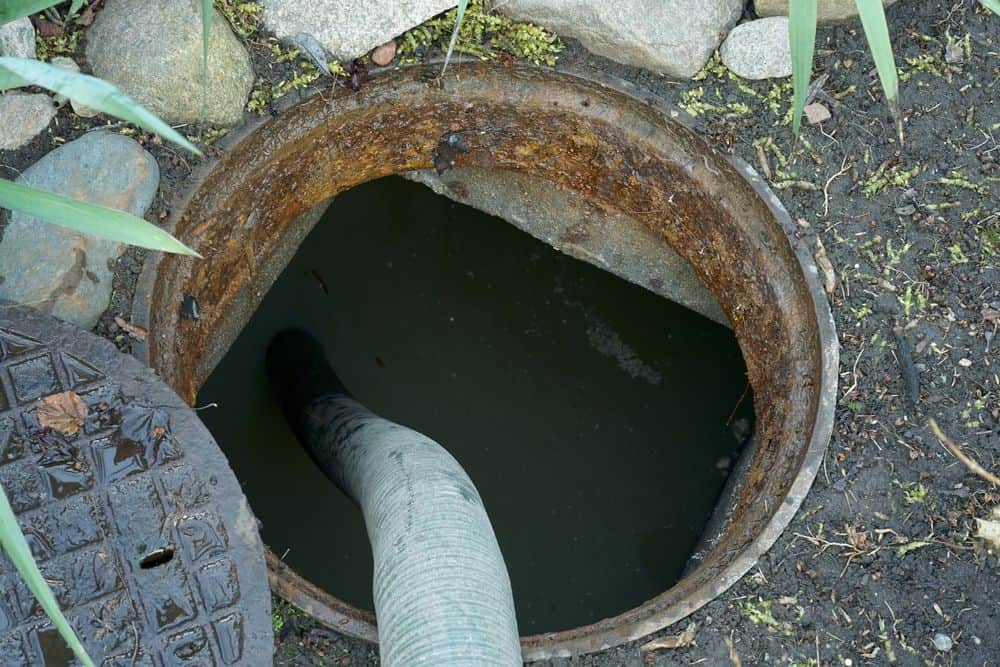
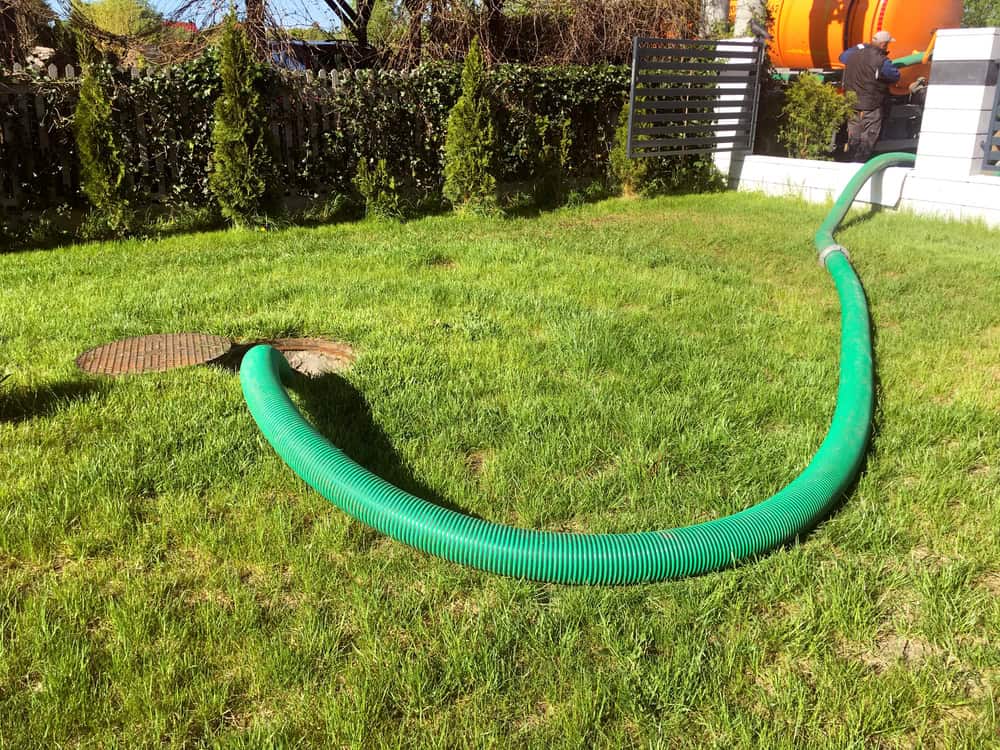
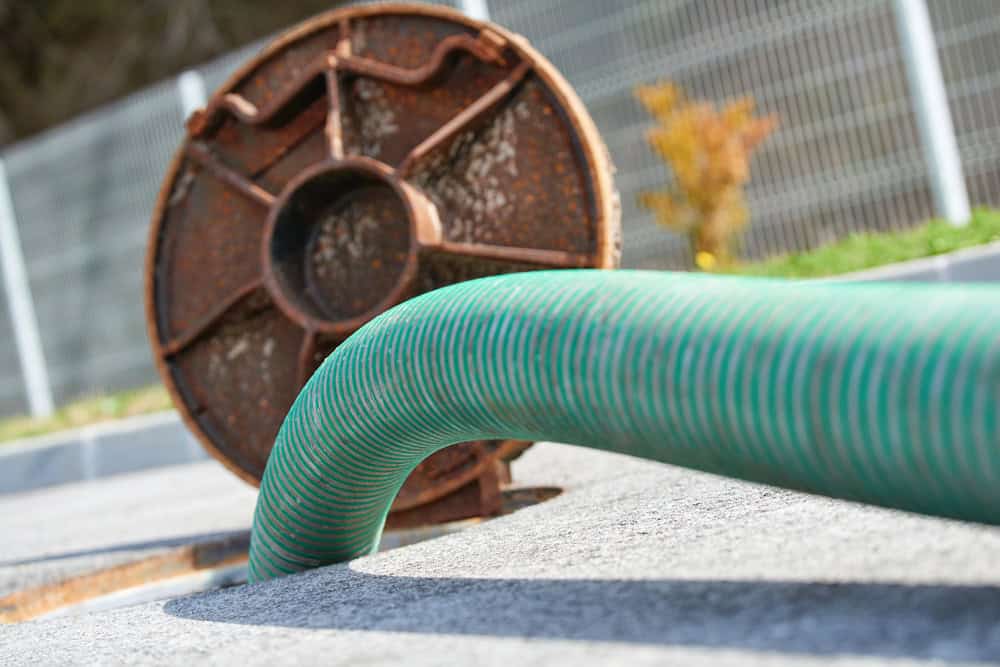
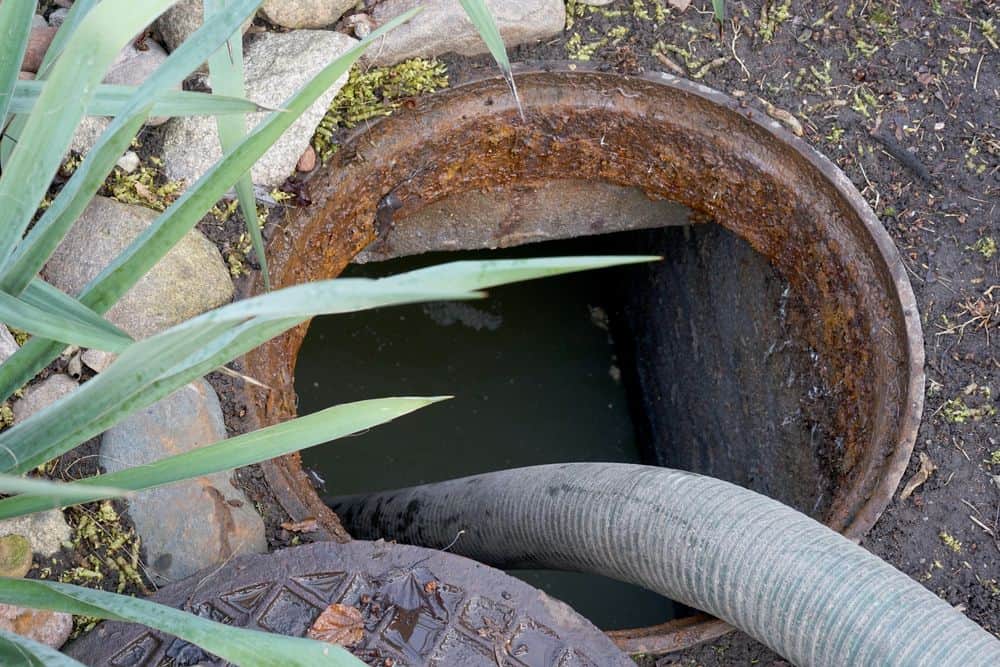
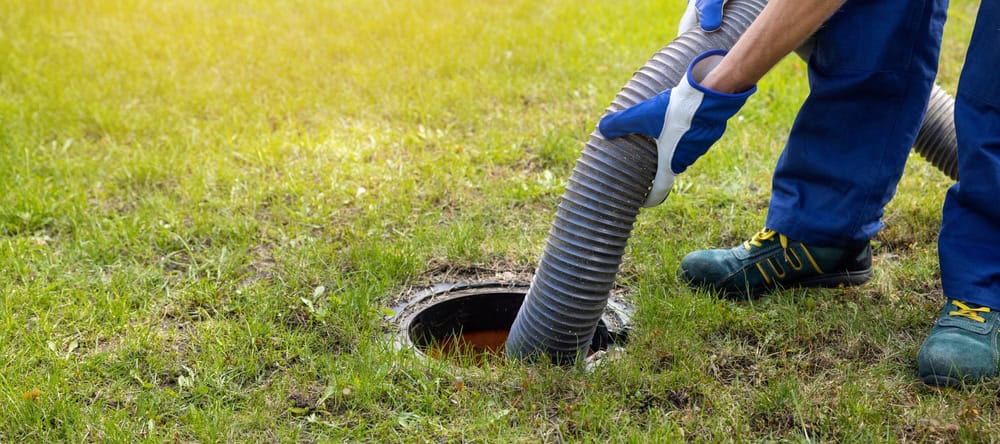
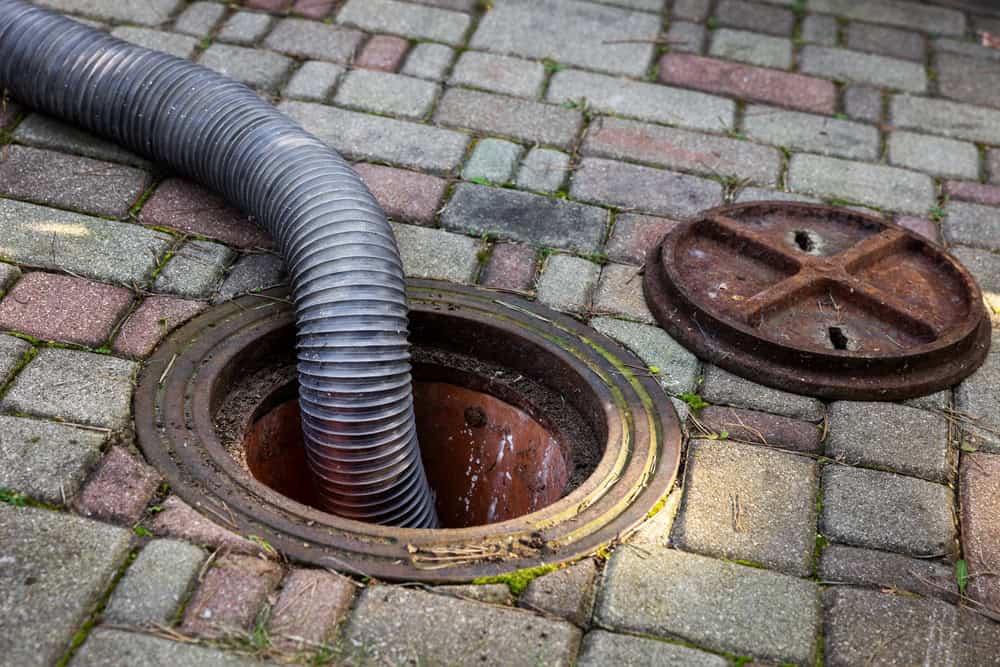
Professional pumping removes those top and bottom layers before they overflow into your drain field and cause permanent damage. A truck with a large tank and powerful suction hoses pulls out the waste, which is then disposed of at licensed facilities. The process typically takes 20 to 60 minutes for a standard-sized tank, depending on how full it is and when it was last serviced.
Here’s where Long Island is different. National guidelines suggest pumping every three to five years, but that timeline doesn’t account for your local conditions. Long Island’s sandy soil drains quickly—which sounds good until you realize it means solids can escape your tank and reach the drain field faster than in other areas. Think of it like a coffee filter with holes that are slightly too big. The liquid moves through fast, but it’s not filtering as effectively as it should.
Most Long Island septic professionals recommend pumping every two to three years, not three to five. Some households need it even more frequently. A family of four typically needs service every one to two years. If you have a garbage disposal, do multiple loads of laundry daily, or host frequent gatherings, you’re adding more solids to your tank and filling it faster than average.
Your cesspool pumping schedule depends on several factors: household size, tank capacity, water usage patterns, and the type of system you have. Older cesspools without proper separation chambers need pumping every one to two years because they don’t separate solids from liquids effectively. Modern septic tanks with good separation can sometimes stretch to three years, but that’s still shorter than the national average because of soil conditions.
The cost difference between regular maintenance and waiting until problems develop is significant. Routine pumping in Long Island typically costs $300 to $600 depending on tank size and accessibility. That breaks down to roughly $100 to $200 per year when you spread the cost over time. Compare that to emergency pumping at $1,200 to $2,400, sewage cleanup at $2,000 to $8,000, or complete system replacement at $10,000 to $25,000 for conventional systems or $20,000 to $40,000 for the advanced nitrogen-reducing systems now required by Suffolk County.
Regular septic tank cleaning isn’t just about removing waste—it’s about preventing the cascading failures that happen when solids overflow into your drain field. Once your leach field becomes clogged with solid waste, the soil can’t absorb wastewater properly. That’s when you see standing water in your yard, sewage odors, and eventually backups into your home. At that point, you’re not looking at a simple pump-out anymore. You’re looking at drain field repairs or complete system replacement.
Cesspool vs Septic Tank: What Long Island Homeowners Need to Know
Many Long Island homeowners use the terms cesspool and septic tank interchangeably, but they’re completely different systems with different maintenance needs and very different futures under current regulations.
A cesspool is essentially a large underground pit lined with concrete, brick, or stone. All your wastewater—from toilets, sinks, showers, and washing machines—drains into this hole. Solids settle at the bottom, and liquids seep out through perforations in the walls into the surrounding soil. There’s no treatment happening, no separation of waste, no filtration. It’s just a holding pit that relies on soil absorption.
A septic tank is a treatment system. Wastewater flows into a sealed tank where it separates into three layers. The heavy solids sink and form sludge. The oils and grease float and form scum. The clarified liquid in the middle flows out to a dedicated drain field—a network of perforated pipes buried in gravel trenches. As that liquid disperses through the drain field, the soil acts as a natural filter, removing harmful bacteria and breaking down contaminants before they reach the groundwater.
This separation and filtration process is why septic systems protect water quality better than cesspools. It’s also why they last longer and need less frequent maintenance. Most septic tanks only need pumping every three to five years instead of every one to two years like cesspools.
Here’s what matters for Long Island homeowners: Suffolk County banned new cesspool installations entirely on July 1, 2019. Nassau County followed with similar restrictions. The reason is groundwater contamination. Long Island gets 100% of its drinking water from underground aquifers, and cesspools dump untreated waste directly into the soil that feeds those aquifers. Excess nitrogen from failing systems fuels algae blooms that kill fish, close beaches, and contaminate drinking water wells.
If your cesspool fails or you’re doing major renovations, you’ll likely need to upgrade to a modern septic system or connect to municipal sewer if it’s available in your area. And if you’re selling your home, expect the buyer’s inspector to take a close look at your system’s age and condition. Properties without proper documentation or with failing systems can delay closings or require significant price reductions.
Even if your cesspool is still functioning, it’s probably costing you more than you think. Cesspools fill up faster than septic tanks because they don’t separate solids from liquids effectively. That means more frequent cesspool pumping—sometimes every few months for a busy household—and higher maintenance costs over time. Most Long Island cesspools hold between 1,000 and 1,500 gallons. Once the solid waste reaches about 25 to 30 percent of the tank’s capacity, it’s time to pump.
The financial reality is stark. A cesspool might be cheaper to install initially, but between constant pumping and the eventual requirement to upgrade when it fails, you’re spending more long-term. Septic tanks require a bigger upfront investment, but they pay off through better efficiency, fewer emergencies, and compliance with current regulations. Plus, when you’re ready to upgrade, there are grants available—Suffolk County offers up to $11,000 for qualifying replacements, while Nassau County provides up to $20,000 for nitrogen-reducing systems.
Understanding whether you have a cesspool or septic tank affects your maintenance schedule, your budget, and your planning for the future. If you’re not sure which system you have, a professional inspection can identify it and give you a realistic picture of what maintenance you need and when you might be facing a required upgrade.
Want live answers?
Connect with a EZ Cesspool Long Island expert for fast, friendly support.
Warning Signs Your Septic System Needs Service
Your septic system usually gives plenty of warning before complete failure, but you need to know what to watch for. Long Island homeowners often miss early signs because they develop gradually or seem minor at first. By the time problems show up inside your house, you’re usually dealing with an urgent situation that requires immediate professional attention.
Recognizing these signals early can mean the difference between a simple service call and a system replacement costing thousands. Most issues start small but escalate quickly when ignored, so understanding what’s normal and what’s a red flag is crucial for every homeowner.

Slow Drains, Odors, and Other Early Warning Signs
Slow drains throughout your house signal more than just individual clogs. When multiple fixtures drain slowly—especially lower-level drains—your system is likely reaching capacity. A single slow sink might be a localized clog in that drain line. But when your kitchen sink, bathroom shower, and laundry drain are all sluggish, that’s your septic tank telling you it’s full.
Gurgling sounds from toilets and drains indicate air displacement, which happens when wastewater isn’t flowing properly through your system. You might flush a toilet and hear gurgling from the shower drain, or run water in the sink and hear bubbling from the toilet bowl. These sounds mean gases are trapped in the system because the normal flow path is blocked or restricted.
Sewage odors are never normal. If you smell something like rotten eggs or raw sewage coming from your drains, your yard, or near your tank, that’s hydrogen sulfide gas escaping from your system. Indoor odors usually mean there’s a problem with your plumbing vents or a backup developing in your system. Outdoor odors near your tank or drain field often indicate the system is struggling to process waste properly or there’s a leak allowing untreated sewage to reach the surface.
Don’t try to mask these odors with air fresheners or hope they’ll go away on their own. They won’t. Track when and where you notice them, because this information helps technicians diagnose the issue more quickly. Odors that worsen after heavy water use might indicate system overload, while constant odors could suggest structural problems or the need for pumping.
Standing water or persistently soggy areas around your septic system are serious red flags that require immediate professional attention. This water often contains untreated sewage and poses health risks to your family and pets. In early stages it might look like damp patches, but it can escalate into full puddles if you don’t address the underlying problem.
Pay attention to your lawn’s appearance over the drain field area. Unusually lush, green grass in one spot—while the rest of your yard looks normal—often means wastewater is leaking underground. The sewage acts as fertilizer, giving that area extra nutrients. What looks like a healthy patch of grass is actually a warning sign that your system is failing.
Long Island’s sandy soil and high water tables make these problems develop faster than in other areas. The soil compacts easily, reducing its ability to absorb wastewater. Even riding mowers can cause damage over time. Keep the area over your tank and drain field clear, and avoid planting anything with deep roots that could interfere with distribution lines.
When to Call for Emergency Septic Services
Sewage backups in your basement or lower-level fixtures are emergency situations that require immediate professional help. When raw sewage backs up into your home through toilets, sinks, or floor drains, you’re facing a potential health hazard. Stop all water use immediately, avoid contact with the backed-up sewage, and call a professional service provider right away.
By this point your tank has exceeded capacity and the entire system is compromised. Waiting even a day can cause extensive property damage and expose your family to harmful bacteria like E. coli, hepatitis A, and salmonella. Raw sewage contains pathogens that pose serious health risks, and continued use of your plumbing can make the backup worse.
Multiple slow drains throughout your house, especially when combined with gurgling sounds, indicate your septic tank is likely full or your distribution system is blocked. This is the warning stage before a full backup. You still have time to address the issue with pumping or repairs, but you need to act quickly.
Persistent foul odors that don’t go away are another sign you’re approaching emergency territory. These odors don’t come and go—they linger and often get stronger over time. The smell typically starts subtle and becomes more noticeable, especially during warm weather when bacterial activity increases. If you’re noticing odors indoors or outside that are affecting your family’s comfort, that’s your system telling you it needs immediate attention.
Long Island’s coastal environment creates specific challenges that can turn a developing problem into an emergency faster than in other areas. Hot, humid summers make smells more noticeable. Heavy rains can saturate the soil and push your system over capacity. The region’s fluctuating water table levels, especially during stormy seasons, impact septic system efficiency and can force gases upward through soil that’s normally effective at filtering odors.
Many Long Island properties also deal with older cesspool systems that were installed before modern septic requirements, making them more prone to sudden failures as they age. Salt air and coastal humidity can intensify sewage smells and accelerate deterioration of system components.
The most effective approach to preventing emergencies is regular maintenance combined with mindful water usage. Spreading out laundry loads, fixing leaks promptly, and avoiding excessive water use during peak periods helps prevent system overload. Installing low-flow fixtures and being conscious of your household’s water consumption patterns can significantly extend your system’s life and reduce the risk of backups.
But if you’re already seeing warning signs, don’t wait to see if they resolve themselves. They won’t. The longer you delay, the more expensive the fix becomes. A simple pump-out that costs a few hundred dollars can prevent a $15,000 system replacement. Emergency pumping costs three to four times more than scheduled maintenance, and that doesn’t include cleanup or property damage repair if sewage has already backed up into your home.
Protecting Your Long Island Home with Professional Septic Tank Services
Your septic system is one of your home’s most critical components, but it’s also one of the most neglected until problems force expensive emergency action. Long Island’s unique soil conditions, environmental regulations, and aging infrastructure mean that generic septic advice simply isn’t enough to protect your investment.
Regular septic tank pumping, professional inspections, and attention to warning signs prevent the majority of expensive emergencies. The key is understanding that Long Island systems need more frequent maintenance than the national average—every two to three years instead of three to five—because of sandy soil and high water tables that affect how your system performs.
Whether you’re dealing with an older cesspool that needs frequent pumping or a modern septic tank that requires compliance with new nitrogen-reducing regulations, working with experienced local professionals makes all the difference. We bring over 20 years of expertise serving families throughout Long Island, with transparent pricing, same-day emergency services, and the local knowledge needed to keep your system running smoothly for years to come.