Summary:
Initial Assessment and Site Preparation
The pumping process begins before any equipment touches your cesspool. Licensed professionals start with a thorough assessment of your property and system condition. This isn’t just about locating your cesspool – it’s about understanding your specific situation.
Our technicians examine the area around your system, looking for signs of backup, unusual odors, or wet spots that might indicate problems. We’ll also check accessibility for our vacuum truck and identify any obstacles that could complicate the process. This initial evaluation helps us determine the right equipment and approach for your specific system.
Locating and Accessing Your Cesspool System
Finding your cesspool might seem straightforward, but it requires professional expertise. We look around the yard in the general direction where the sewer pipe left the house for an area where the grass grows differently – an area where the grass isn’t growing well, or where the grass is greener or grows faster.
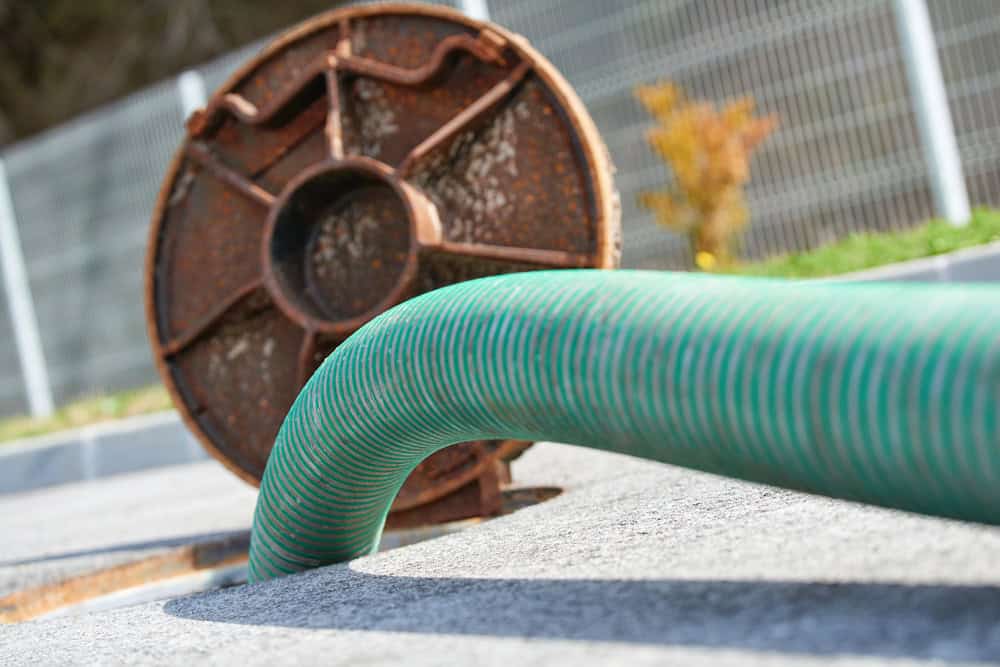
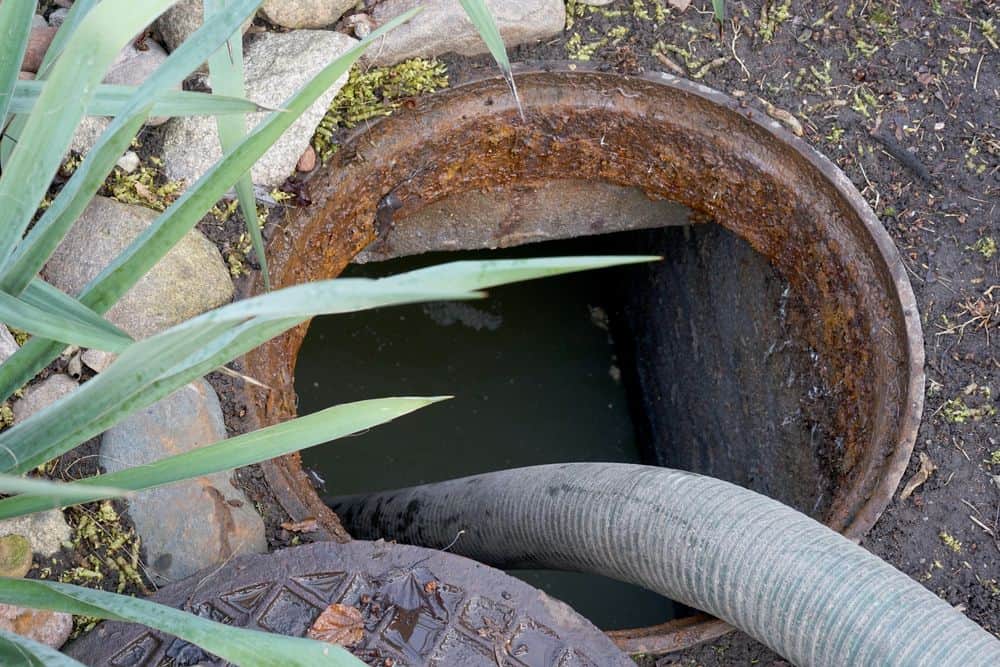
Once located, we carefully excavate the access point. This involves removing soil and locating the manhole cover or access port. Cesspools have an opening at the top, which is typically covered by a layer of ground. Before the cesspool can be pumped, we need to remove the soil to access the manhole cover.
The excavation process is done with precision to avoid damaging your lawn or the cesspool structure itself. Our licensed technicians use proper tools and techniques to ensure safe access while minimizing disruption to your property. We’ll also take photos or make notes about the system’s condition for your records.
Safety is paramount during this phase. We know that cesspool gases can be dangerous, so we follow strict protocols when opening access points. We ensure proper ventilation and use appropriate safety equipment to protect ourselves and your family.
Professional Equipment Setup and Safety Protocols
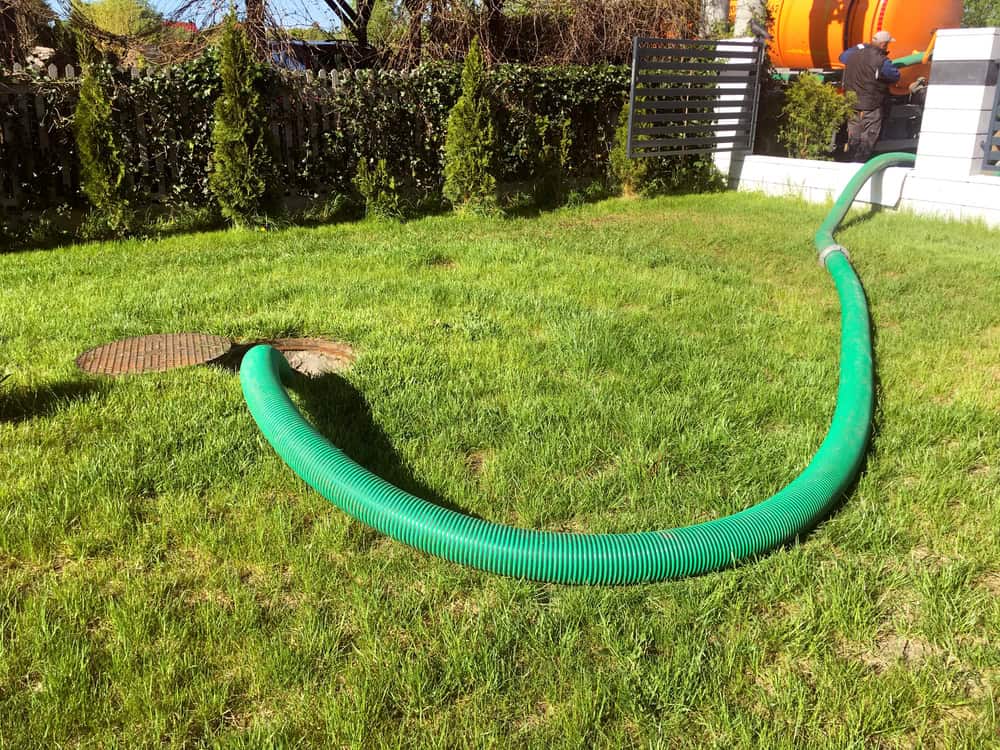
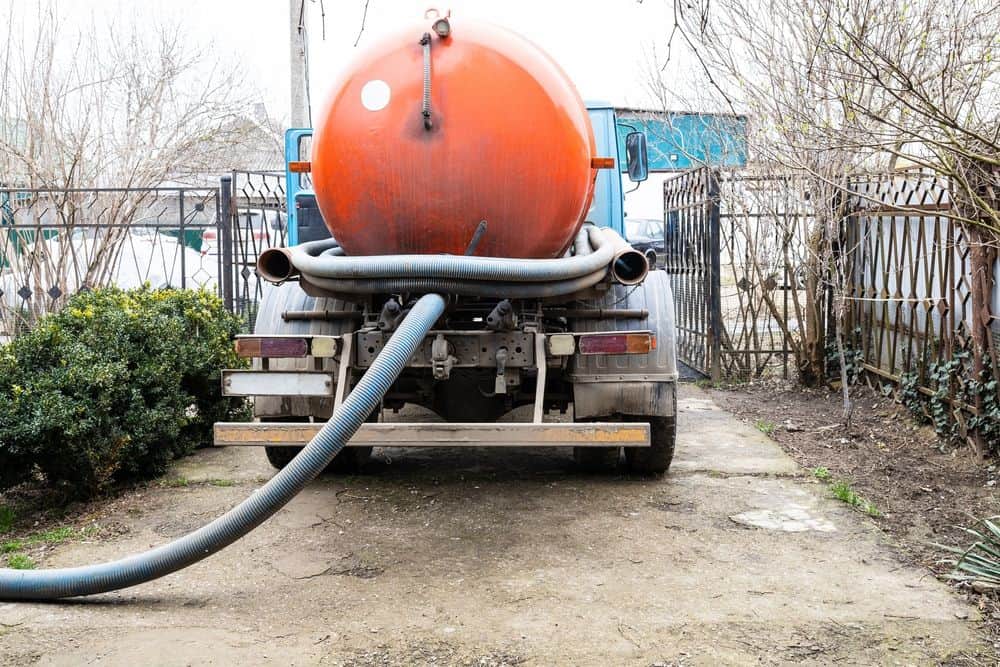
Our technician will set up the necessary equipment, including a vacuum truck or pump-out truck, hoses, and specialized tools. These machines are designed to effectively remove solid waste and sludge from the cesspool.
The vacuum truck is the heart of the operation. These specialized vehicles contain powerful pumps capable of extracting both liquid waste and accumulated solids. The truck also includes storage tanks that safely contain the waste during transport. Professional-grade hoses connect the truck to your cesspool, creating a sealed system that prevents spills and controls odors.
Before beginning the actual pumping, we perform safety checks on all equipment. We ensure hoses are properly connected, safety systems are functioning, and the work area is secure. This preparation phase might take 15-20 minutes, but it’s essential for a safe, effective service.
We also take steps to protect your property during this setup. We’ll use protective coverings if needed and position equipment to minimize lawn damage. The goal is to complete the service efficiently while respecting your home and landscape.
Want live answers?
Connect with a EZ Cesspool Long Island expert for fast, friendly support.
The Actual Pumping and Cleaning Process
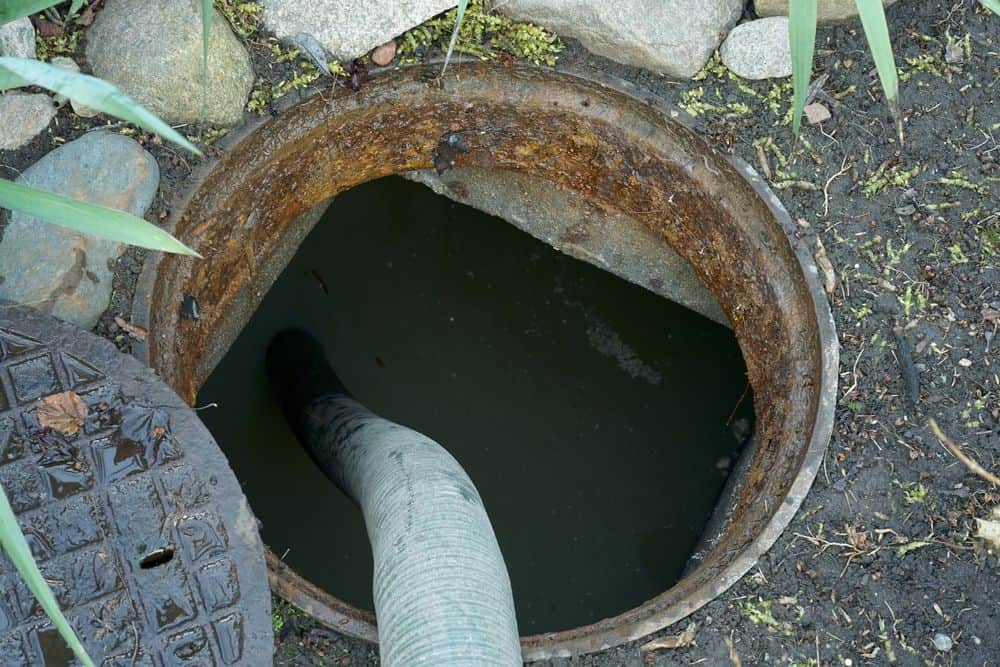
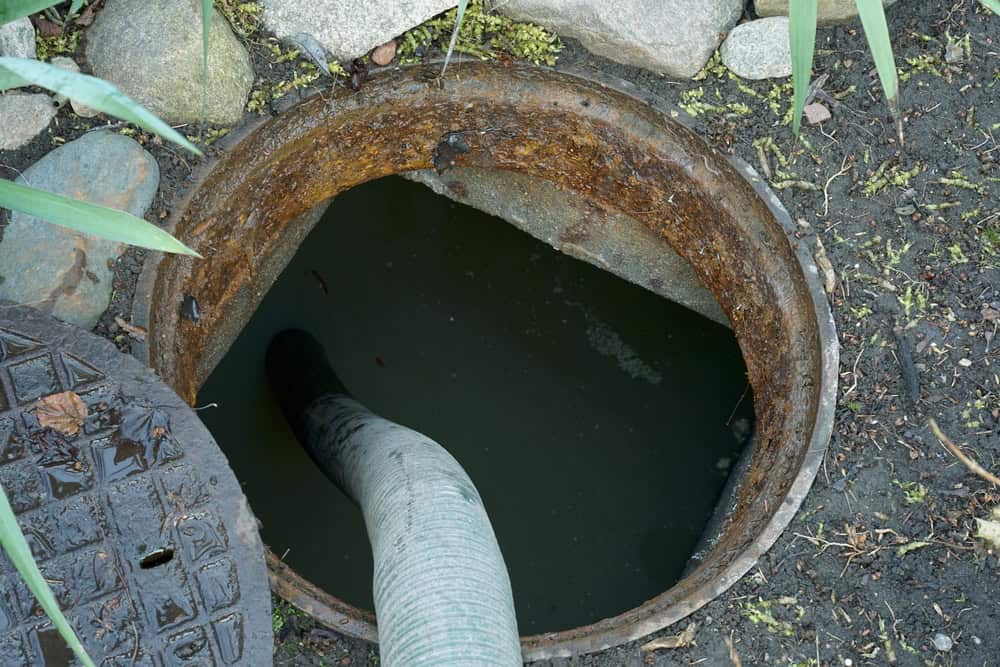
Now comes the main event – the actual waste removal. Using the vacuum truck, our technician will insert the suction hose into the cesspool via an access point known as the riser. The powerful suction of the truck will draw out the accumulated sludge, liquid waste, and other debris from the bottom of the cesspool. This process continues until the cesspool is thoroughly emptied.
But effective cesspool pumping involves more than just sucking out waste. Proper cleaning will remove ALL scum, sludge, and liquid from the septic tank. This requires pumping, flushing, and back flushing liquid contents back and forth between the truck’s tank and the septic tank through the manhole several times. This process breaks up all scum and sludge in the tank, allowing all solids to be removed.
Thorough System Inspection During Service
While pumping your cesspool, we conduct a comprehensive inspection of your system. After pumping, the tank is inspected for any signs of damage or issues requiring attention. This inspection is one of the most valuable parts of the service, yet many homeowners don’t realize it’s happening.
Our technicians examine the cesspool walls for cracks, deterioration, or structural problems. We check the inlet and outlet connections, looking for blockages or damage that could affect system performance. The inspection also includes evaluating the overall condition of baffles, if present, and assessing whether the system shows signs of premature failure.
Level monitoring involves measurement of sludge and scum layers using special tools to decide if pumping is necessary. Even after pumping, we measure remaining waste levels to ensure complete removal and establish baseline measurements for future service scheduling.
This inspection phase often reveals issues that homeowners wouldn’t notice until they become serious problems. Early detection of structural problems, drainage issues, or component failures can save thousands in emergency repairs. We document our findings and provide recommendations for any needed repairs or system improvements.
The inspection also includes checking for compliance with local regulations. Long Island has specific requirements for cesspool maintenance and reporting, and our professional service ensures you meet these standards.
Proper Waste Disposal and Environmental Compliance
What happens to your waste after it leaves your property is just as important as the pumping process itself. The removed waste is transported to a licensed disposal facility, adhering to environmental regulations. This isn’t just good practice – it’s required by law and essential for protecting Long Island’s groundwater and environment.
We transport all cesspool waste to approved treatment facilities that meet environmental regulations. These facilities have the equipment and expertise to properly treat wastewater and dispose of solid waste in environmentally responsible ways. Some facilities even process waste into useful byproducts like fertilizer or biogas.
The transportation process follows strict protocols. Waste is contained in sealed tanks during transport, preventing spills and odor issues. Our professional drivers are trained in hazardous material handling and follow designated routes to approved facilities. This careful handling protects both public health and the environment.
Documentation is a crucial part of proper disposal. We provide manifests and disposal certificates that prove your waste was handled legally and responsibly. This documentation can be important for regulatory compliance and may be required for certain properties or business operations.
If needed, the cesspool may be replenished with beneficial bacteria or enzymes to aid in the breakdown of organic matter and maintain a healthy balance within the system. This additional step helps restore your system’s biological processes after pumping.
Service Completion and Maintenance Planning
Professional cesspool pumping doesn’t end when our truck drives away. You receive service records and customized maintenance schedules that prevent future problems and maintain compliance. This documentation becomes part of your property’s maintenance history and helps you plan for future service needs.
We provide detailed reports of our findings, including photos of any issues discovered during inspection. We’ll explain what we found, recommend any needed repairs, and help you understand your system’s current condition. This information empowers you to make informed decisions about your property’s wastewater management.
The service concludes with site cleanup and restoration. Our technicians replace soil around access points, restore your lawn as much as possible, and ensure no equipment or debris is left behind. We take pride in leaving your property in better condition than we found it.
When you need reliable cesspool pumping service on Long Island, EZ Cesspool brings over 20 years of experience and transparent, professional service to every job. Our licensed technicians follow every step of this process to ensure your system operates efficiently while protecting your property and Long Island’s environment.